Chivito: Another Reason to Love Uruguay

Tags

,

Chivito para dos in Colón, Argentina

Steak is often the centerpiece of meals in Argentina and Uruguay, and it’s delicious without much dressing up. So whoever thought to top it with a fried egg, mozzarella, and ham? Pure genius.

While I’ve heard claims that the story behind the chivitos origins is urban legend, I tend to buy it because…well, it’s just not that remarkable. As it goes, back in the 60’s an Argentine woman vacationing in Punta del Este went to a restaurant and asked for chivito (little goat) like they had back home in Córdoba. Basically, she was craving a baby goat sandwich. Since the chef didn’t have any goat meat, he created this sandwich instead and dubbed it chivitoIt’s now recognized as a national dish in Uruguay, and is also popular in parts of Argentina where it’s sometimes called lomito. It’s usually served on a crusty roll with a thin slice of churrasco, fried or hard-boiled egg, ham, mayo, cheese, and tomato.

Chivito al plato is basically just served without the bread, usually over papas fritas. Sometimes it’s served with a side of Russian salad (as in the photo above), which I’d never heard of before but is a little heavy on the mayonnaise for my taste.

Chivito al plato in Colonia, Uruguay

While I love the sandwich version, particularly of the street vendor variety, I find them really messy to eat so I prefer to go al plato and dig in with a fork and knife. Not that eating one of these is possible without making a mess. They tend to be on the gargantuan side.

If you’re not in the neighborhood, try making one at home. A recent article in the New York Times puts chivito on par with iconic sandwiches like the Reuben and Philly cheesesteak, and offers a breakdown of recommendations for preparing them.

Recipe: Sweet Fried Plantains

Tags

,

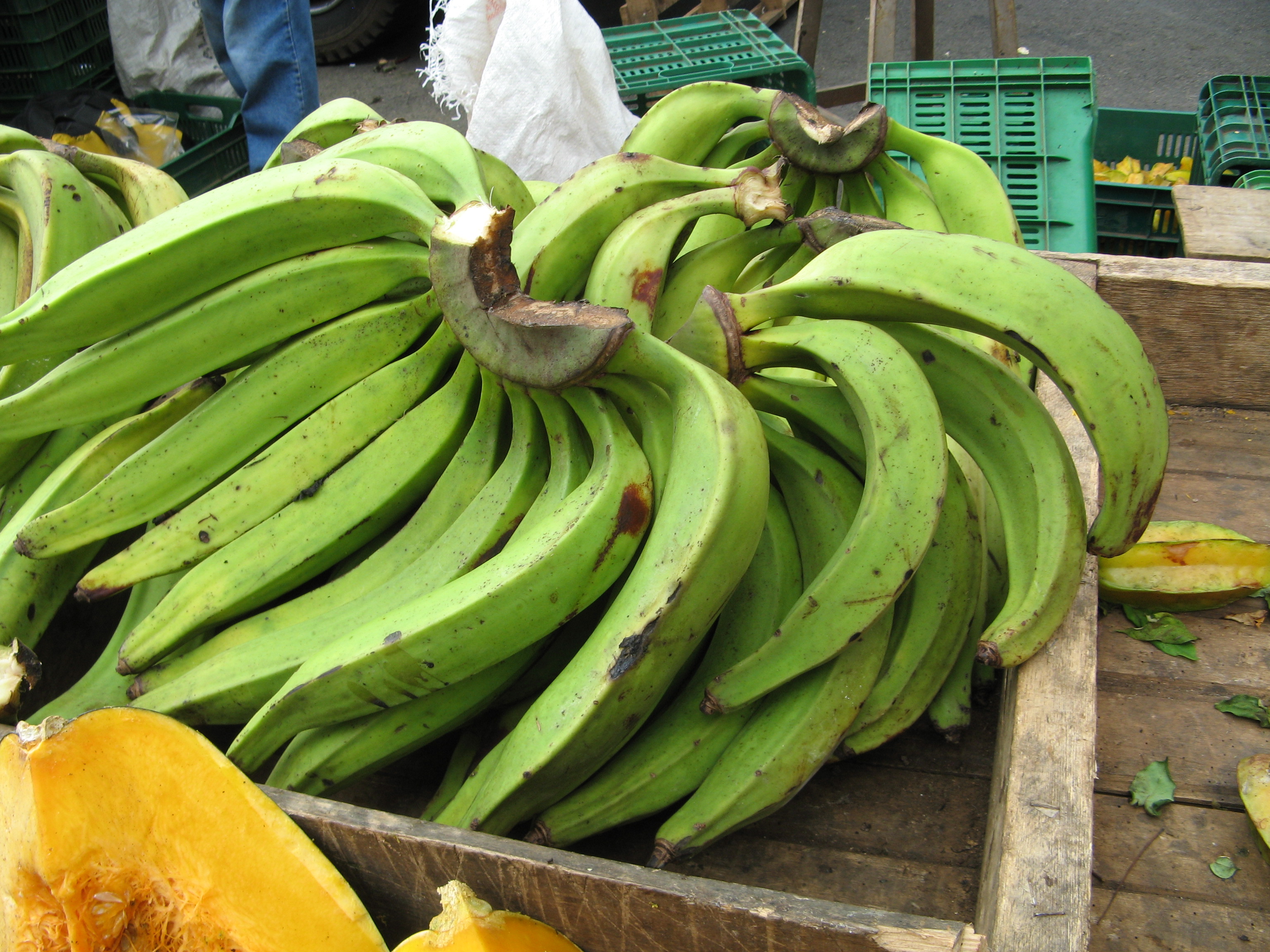
I’m baffled by the fact that plantains are not more widely appreciated in my corner(s) of the world. The close-to-a-banana-but-not-really fruit can certainly be found in the States and here in Argentina, but it doesn’t have the same staple-food status that it enjoys in the Caribbean, parts of Latin America, Africa and Southeast Asia. What the heck is wrong with the rest of us?! Do we avoid delicious food? Do we not like fruit that tastes like candy? Smarten up, people!

Photo via CAPL

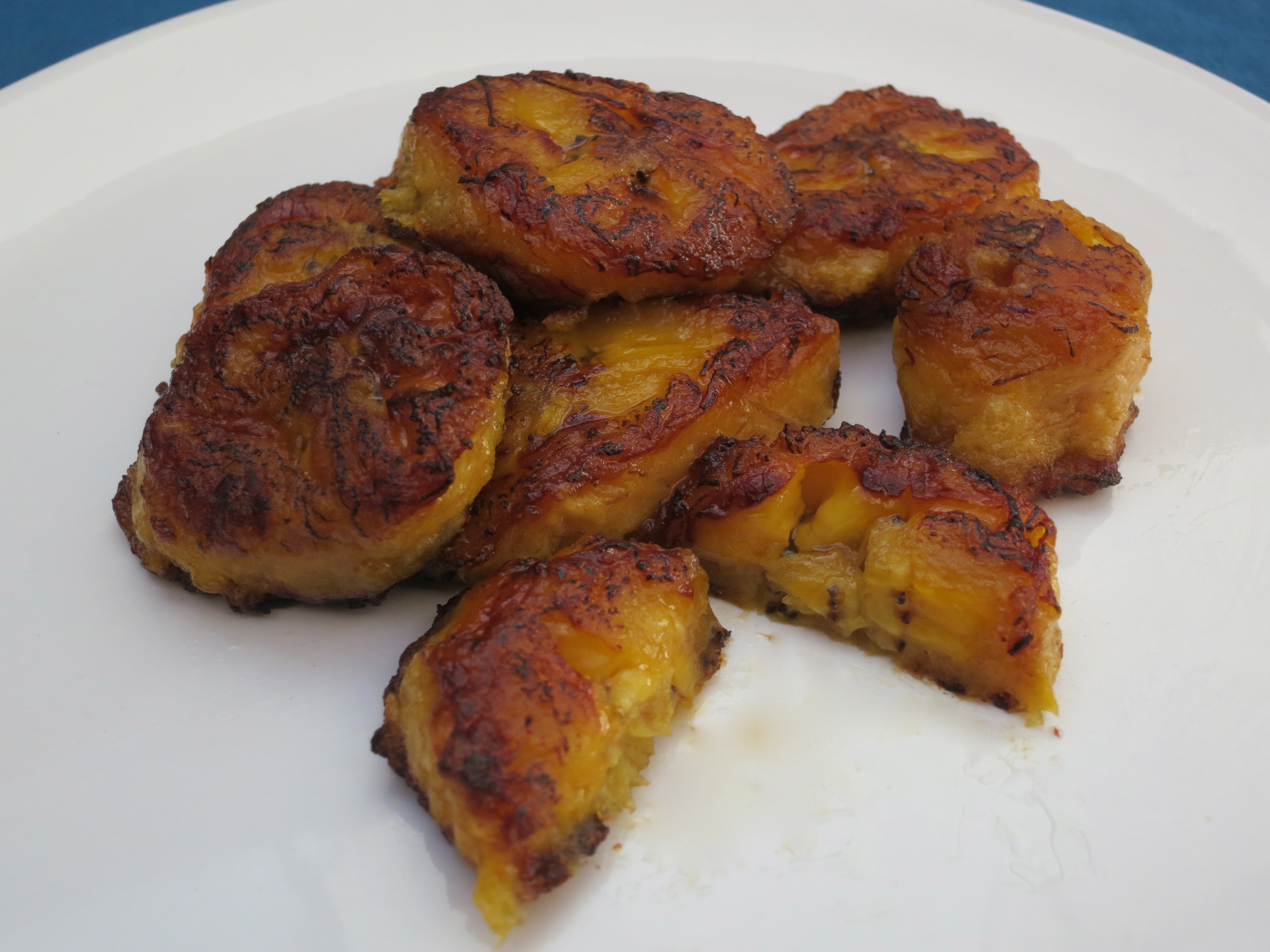
There’s no shortage of ways to prepare plantains. Depending on the region, they may be boiled, steamed, fried, grilled, baked or mashed and served in stews, with rice, with black beans, as chips…..you get the idea. While I’ll take my plantain in any form I can get it, my favorite preparation also happens to be the easiest. Fry it up and eat it.

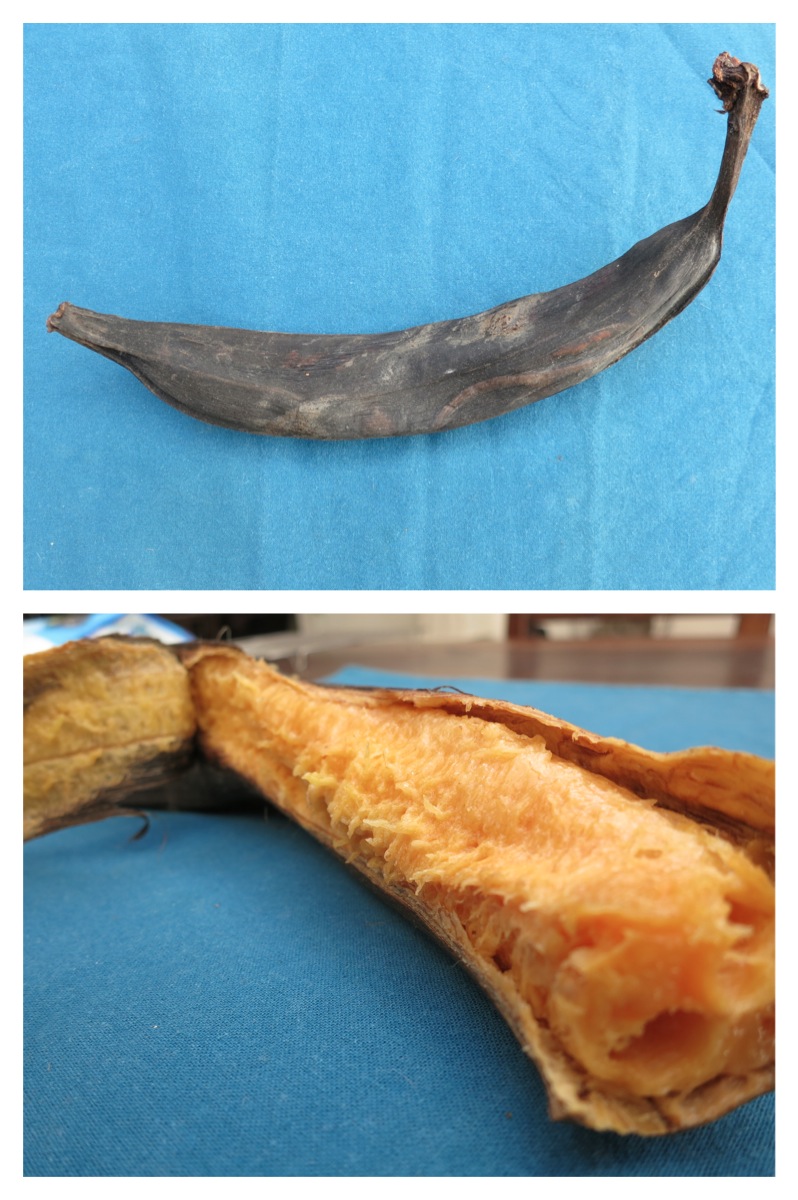
Plantains can be eaten when green, but at that stage they’re much more starchy than I prefer. As they ripen, they get sweeter. And when I say ripen, I really mean turn into an ugly black pod.

To be fair, I let this guy go a bit longer than usual. I think it was uglying up the fruit bowl for about a month, and I fully intended to prepare it sooner when it wasn’t quite as offensive looking. But hey, life gets in the way. Anyway, I opened it up and surprise! Still ripe, sweet and delicious.

This recipe is TOTALLY flexible. You can make your slices thinner to get a crispier result, but I like mine with some soft meat in the middle. Some people prefer to use butter or coconut oil for a different flavor. You really can’t go wrong.

FRIED PLANTAIN

Two ripe plantains

Oil of choice

Peel the plantains and slice on the diagonal, making each piece less than one inch thick. Pour enough oil in a heavy-bottom sauté pan to adequately cover the bottom. Heat oil on medium-high. Let oil get nice and hot before adding the plantain slices. After about 30 seconds, check the bottoms. You want them brown and crispy, not black and burnt. Flip each slice over when they’ve reached your desired done-ness, and cook for another 30 seconds or so until caramelized. Remove from oil and allow to cool just slightly before serving.

(One plantain = one serving, más o menos)


Can’t Live Without My Garlic Press

Tags

, ,

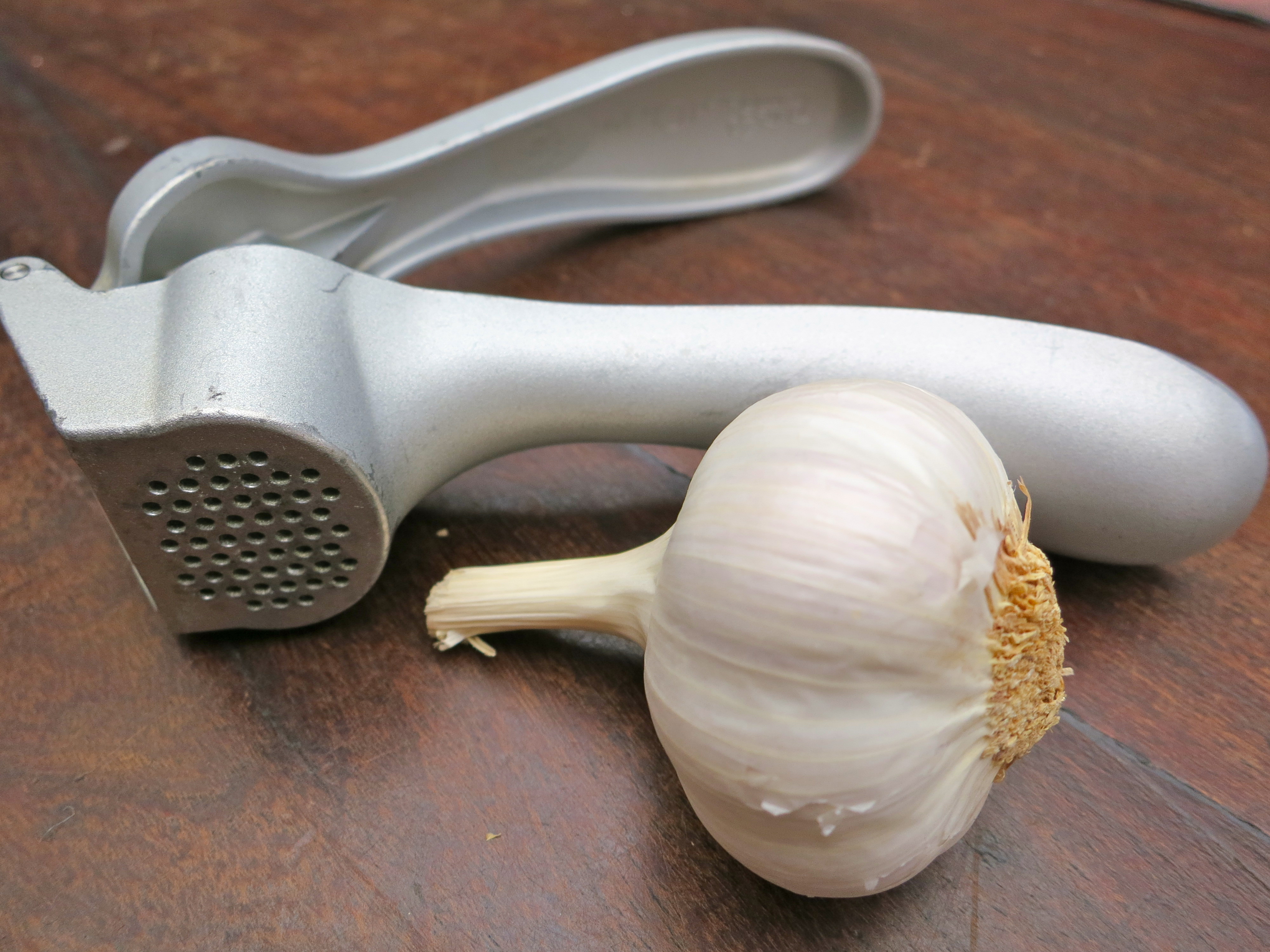
It’s pretty obvious from my cooking that I’m a huge fan of garlic. It’s a relationship that has grown better over time. I recognize now that it started out on questionable terms, because I hadn’t yet come to understand and appreciate its true potential.  It all began with my heavy use of garlic powder. (Like I said: questionable). But it was easy, it was cheap, I was in college. What can I say? I slowly progressed to buying jars of pre-minced garlic, which was a step in the right direction. Then I finally bought a garlic press, and a whole new dimension of flavor revealed itself.

As someone who looooves me some garlic, I cannot believe it took me this long to see the light. If you’re taking a shortcut with garlic, stop yourself. You’re busy, garlic is stinky, wah wah wah. Just stop. The difference you will see in your cooking is no joke. This excellent garlic press from Pampered Chef even makes it easy to mince the garlic and clean up without ever having to touch the stuff. Now, I cannot function in the kitchen without this thing.

Am I alone in my ability to obsess over such things, or is there a kitchen tool you would be lost without?

Recipe: Sautéed Garlic Mushrooms

Tags

, , , ,

I was never a huge fan of mushrooms growing up. Something about eating a fungus that grows in manure never struck me as particularly appetizing. But when I don’t care for a food, it nags at me. So I continue to try it. You know, just to confirm. Sometimes I’m pleasantly surprised to find my tastes have changed. The rest of the time, I’m gagging on olives. (So gross. Still. Every time.)

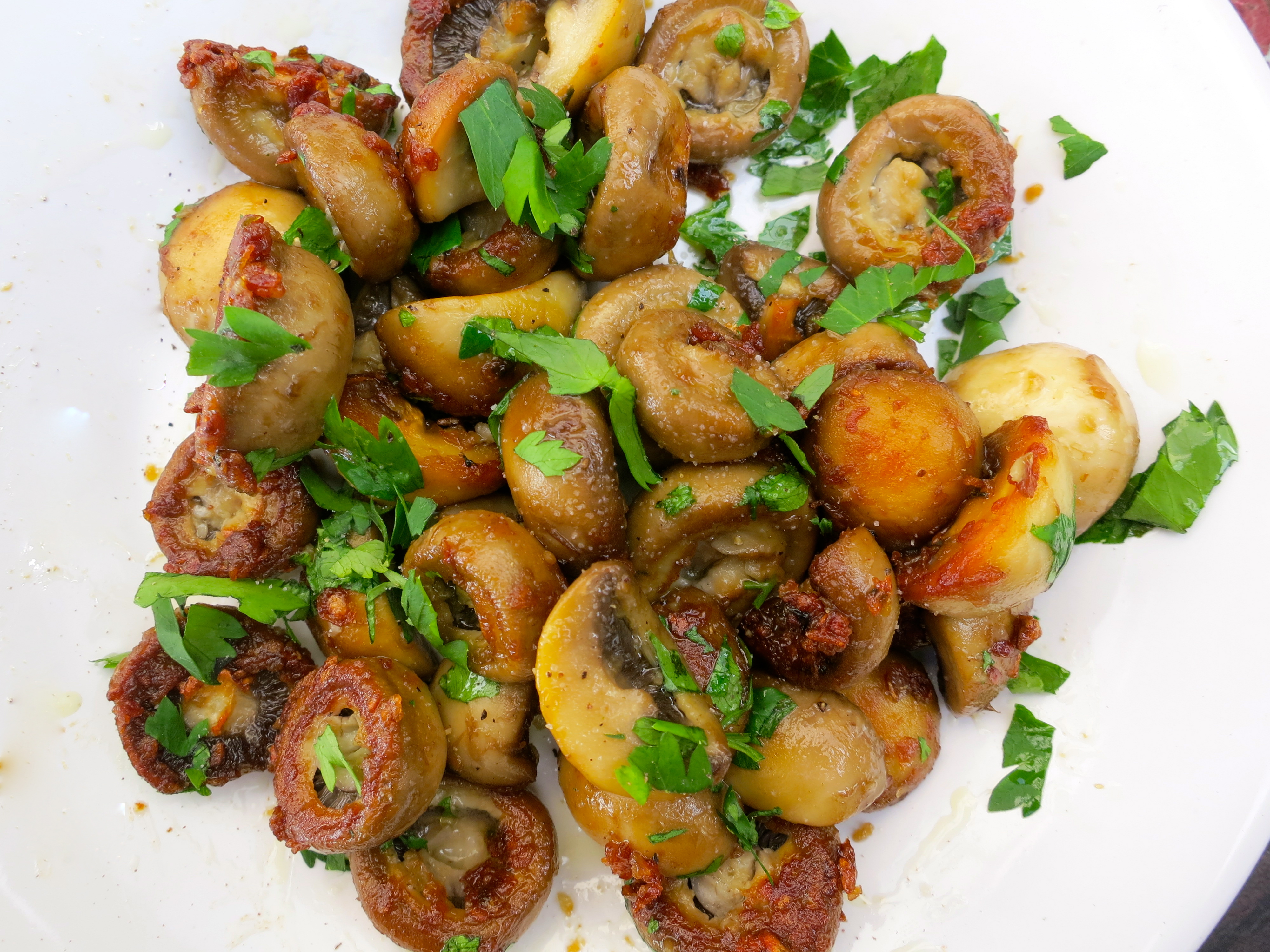
This recipe for sautéed mushrooms is inspired by dishes I’ve enjoyed at Spanish restaurants. Heavy on the garlic as always, and cooked to slightly caramelized perfection. They’re quick and easy as an appetizer, side or part of a tapas-style meal.

SAUTÉED GARLIC MUSHROOMS

400 grams of white mushrooms (about a pound)

2 Tablespoons olive oil

4 garlic cloves, minced

squeeze of fresh lemon juice

salt and pepper

4 Tablespoons chopped fresh parsley

Clean the mushrooms and trim the stalks close to the caps. Depending on the size of your mushrooms, you may want to cut larger ones in half or fourths. Heat the oil in a large skillet. Add the garlic and cook for about 30 seconds. Add the mushrooms and sauté over high heat, stirring most of the time, for about a minute. Turn heat to low. When the juices have come out of the mushrooms, return heat to high and sauté for another 4 – 5 minutes or until mushrooms are brown and beginning to caramelize and juices are almost completely evaporated. Add a squeeze of fresh lemon juice and season with salt and pepper to taste. Stir in the parsley and cook for an additional minute. Serve piping hot or warm.

Indulgence Francés at Brasserie Petanque

Tags

, , , , , ,

There’s something I love about nestling into this delightful French restaurant in the midst of San Telmo’s cobblestone-paved antiquity. It just feels…special.

Probably due at least in part to the complimentary Kir Royale whisked over upon arrival.

It’s always hard to decide what to order. There are so many delicious options! To start, agonize over choices like oysters, tuna carpaccio with pistachios and mango, or buttery garlicky escargots. Then move on to agonizing over cassoulet, beef burgundy, or duck breast in orange sauce.

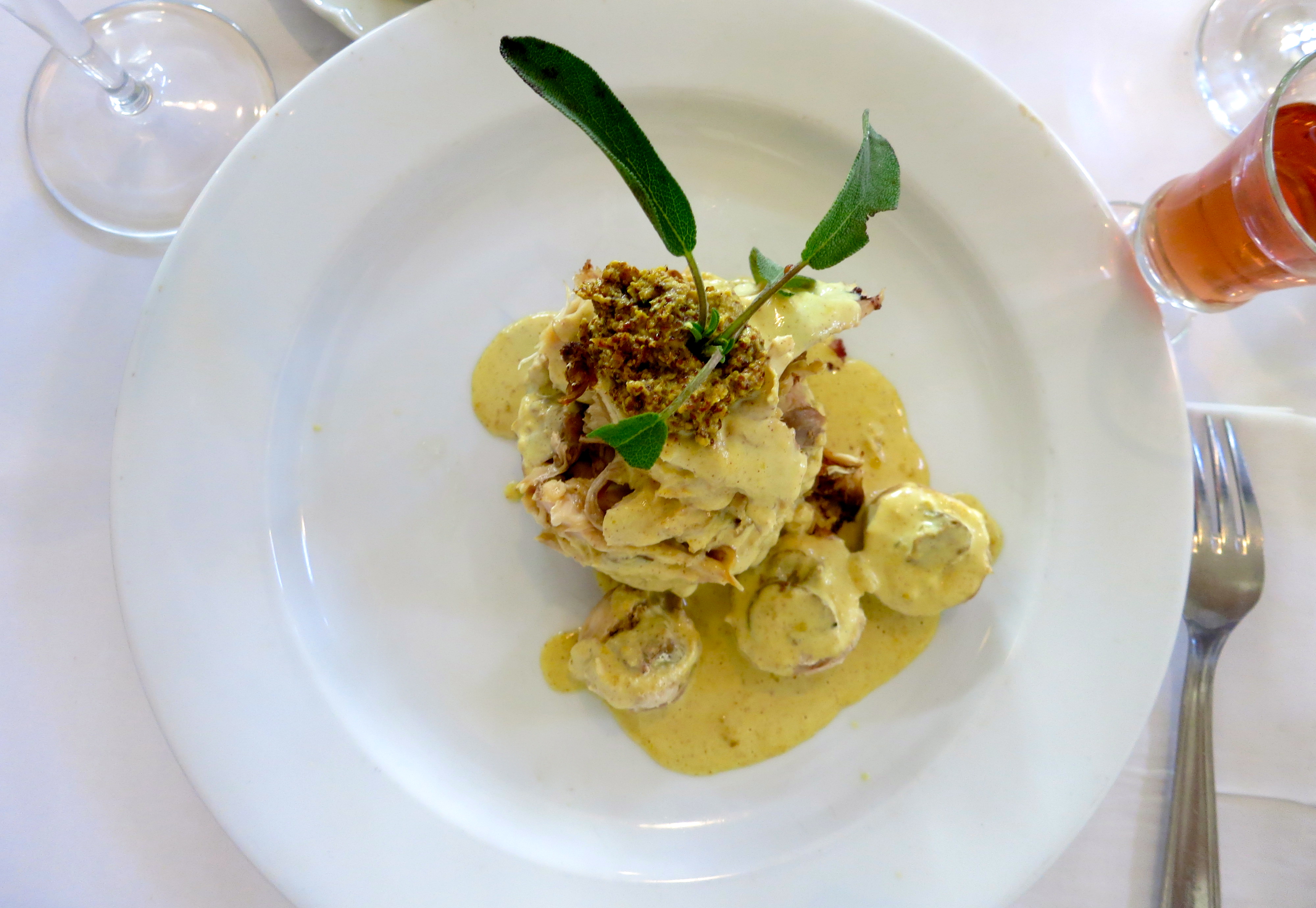
On this sunny afternoon, Gaspar went for the groan-inducing deliciousness of the rabbit with dijon sauce. It’s pretty much a given: one of us has to order it.

Conejo a la mostaza de Dijon at Brasserie Petanque

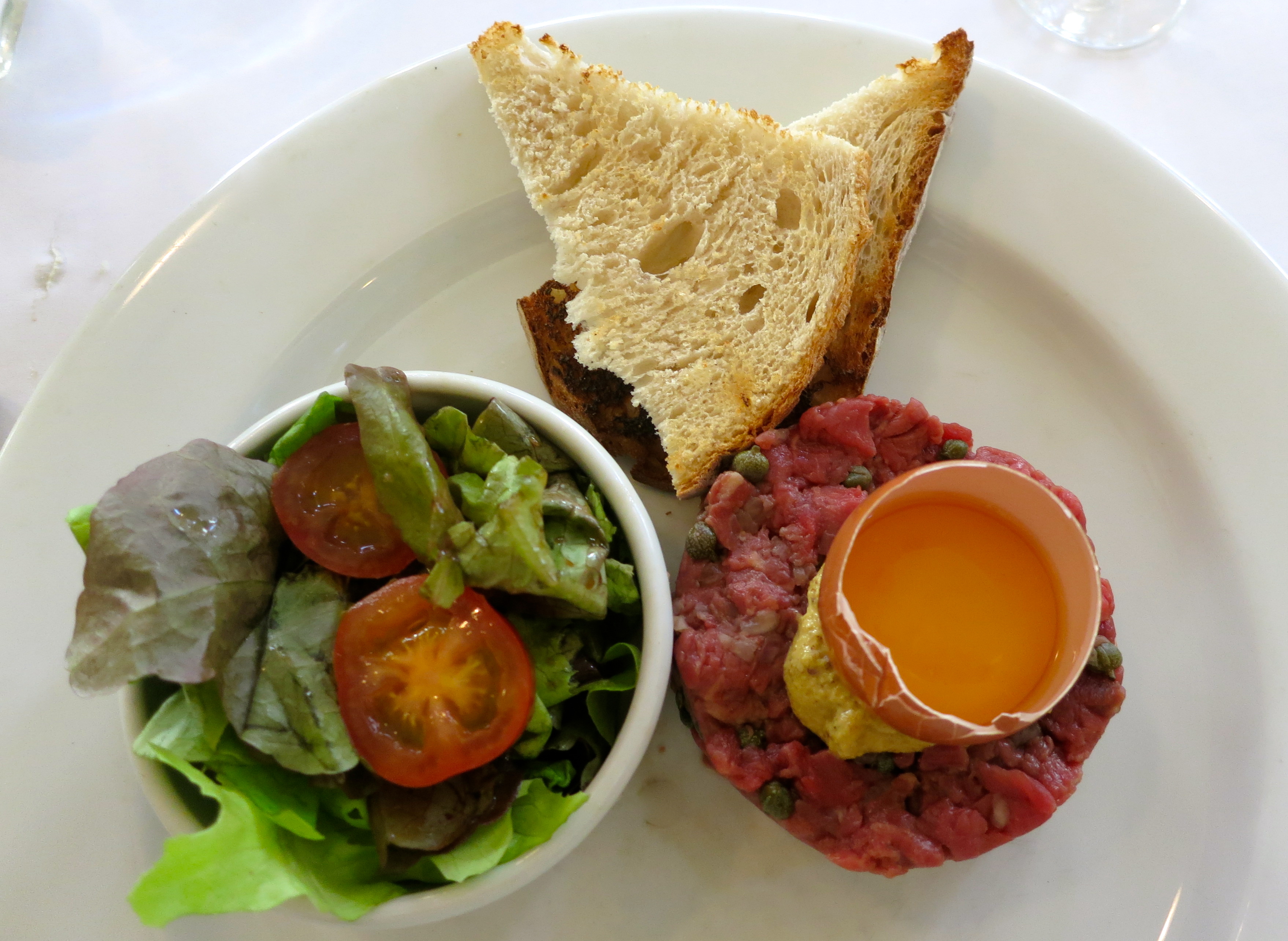
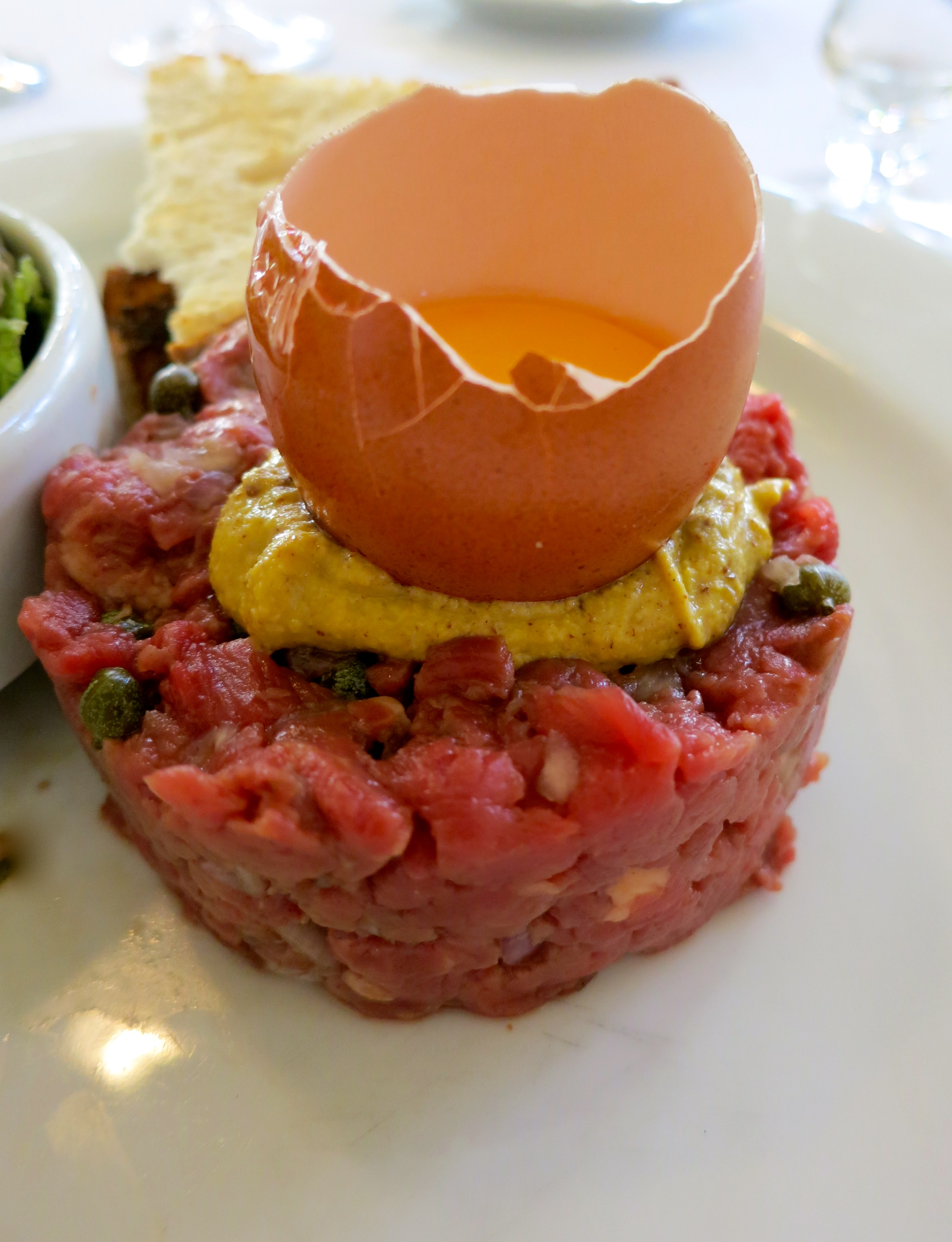
And I can never say no to raw meat. The steak tartare was calling me. Topped with Dijon mustard and an egg yolk, it was majestic.

Steak Tartare at Brasserie Petanque

Raw is the name of the game.

Going during the mediodía will save you a decent chunk of change in comparison to the steeper dinner prices. So go on a sunny day, sit by the windows and enjoy a bit of decadence.

BRASSERIE PETANQUE – Defensa 596 (esquina México)

Read reviews on Guía Oleo and Trip Advisor.

Desayuno Dulce

Tags

, , , , ,

Despite the abundance of decidedly indulgent food featured on the blog, believe it or not, we generally eat pretty healthy (healthily? healthfully? I need a copy editor). Whatever. My point is, every once in a while you just have to treat yourself. As I’ve mentioned before, breakfast and brunch are not a huge deal in Buenos Aires. The standard at the local cafés is usually along the lines of some tostadas with queso crema and mermelada, or a pile of medialunas. Cue sad trombone. I say, if you’re going to carb load why not just fully commit? Bring on the pastries.

After sampling pastries from a variety of panaderías and confiterías in San Telmo, I’ve finally found my favorite in the barrio. All you people who swear by Del Amanacer…well, you’re just wrong.

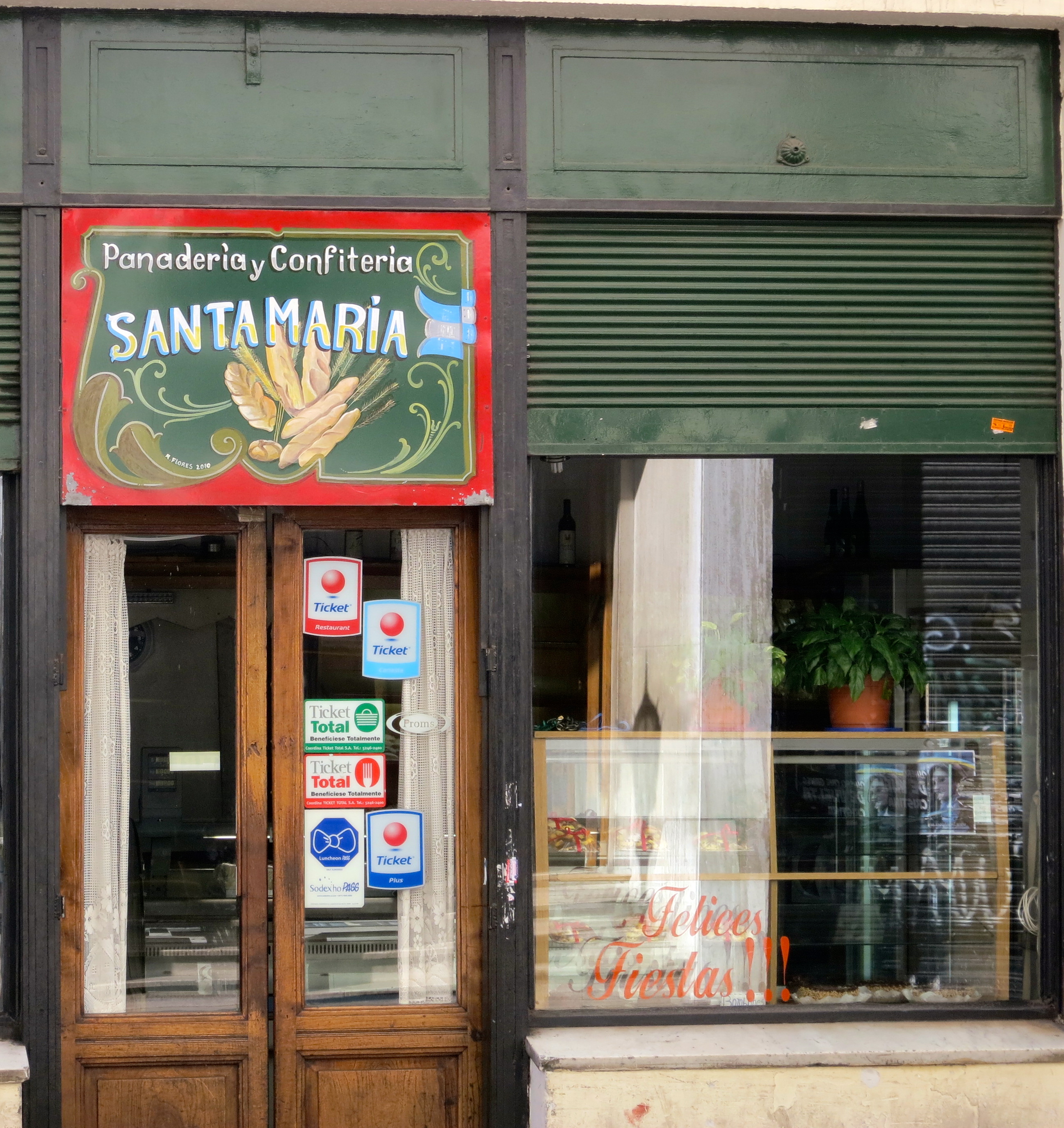
Panadería y Confitería Santa María is an unassuming shop on Defensa with an ever-present display of delicate alfajores in the window…and not a whole lot else. Unless you count the decorations for Christmas, New Year’s and Easter that stay in the window year-round. But hey, no judgement. You’ll be willing to overlook that when you step inside on a weekend morning, look to the left, and find a wall full of pastries of every shape, color and size. There’s a wide variety of medialunas, a selection of churros, and other breakfast delights stuffed with membrillo, some sort of cheesecake-like topping that I have yet to identify, and of course, dulce de leche. You can select your own mix of a dozen sweet treats for $24 pesos.

PANADERÍA Y CONFITERÍA SANTA MARÍA DE AGUILERA

Defensa 670 en San Telmo, Capital Federal

Recipe: Cilantro Chimichurri

Tags

, , ,

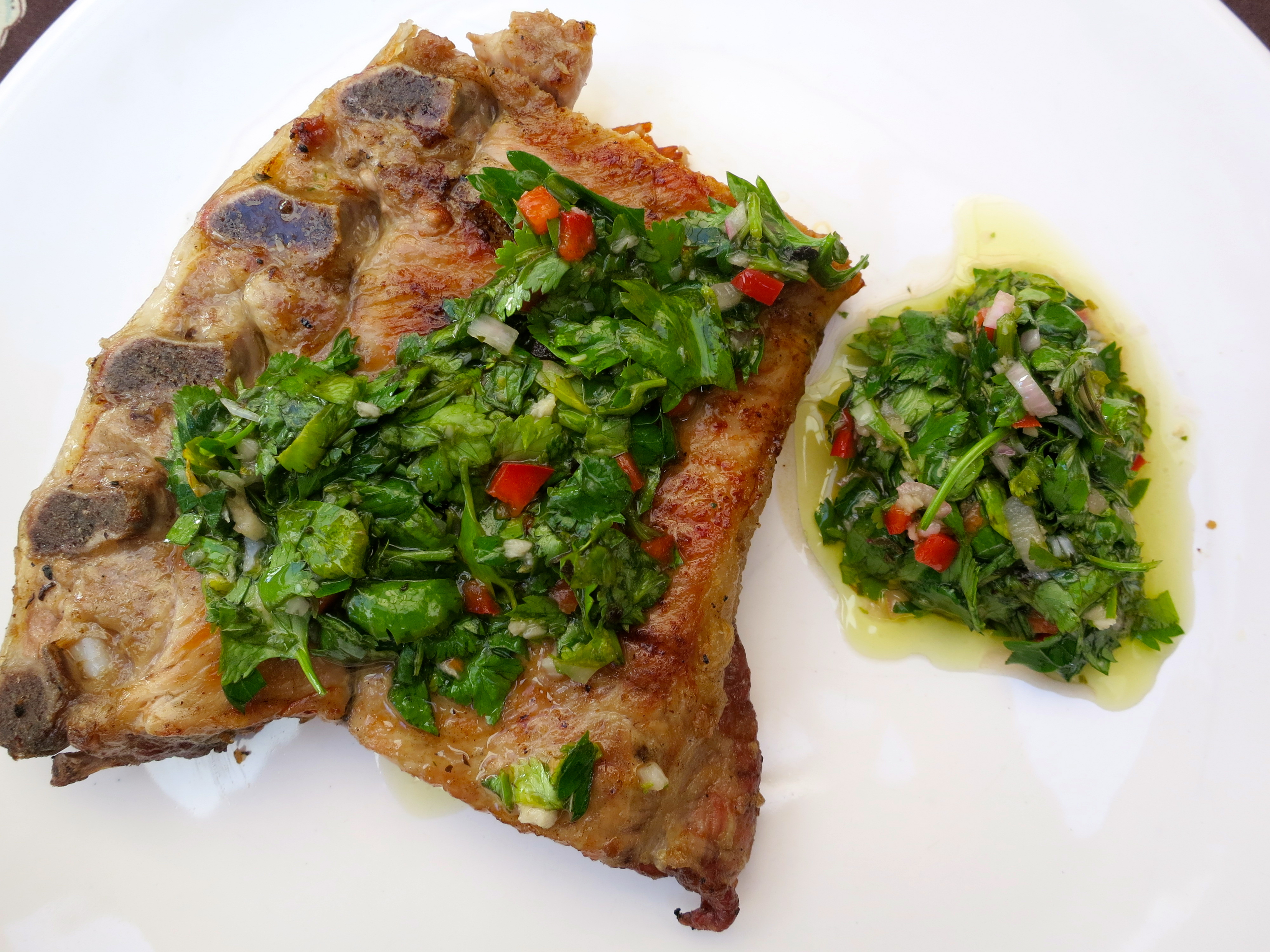
Asado is a staple of Argentine culture and cooking. The word loosely translates to the English word barbecue; it can be an actual event or it can refer to the food. There’s no limit to the types and cuts of meat that can be piled on the parrilla for an asado.

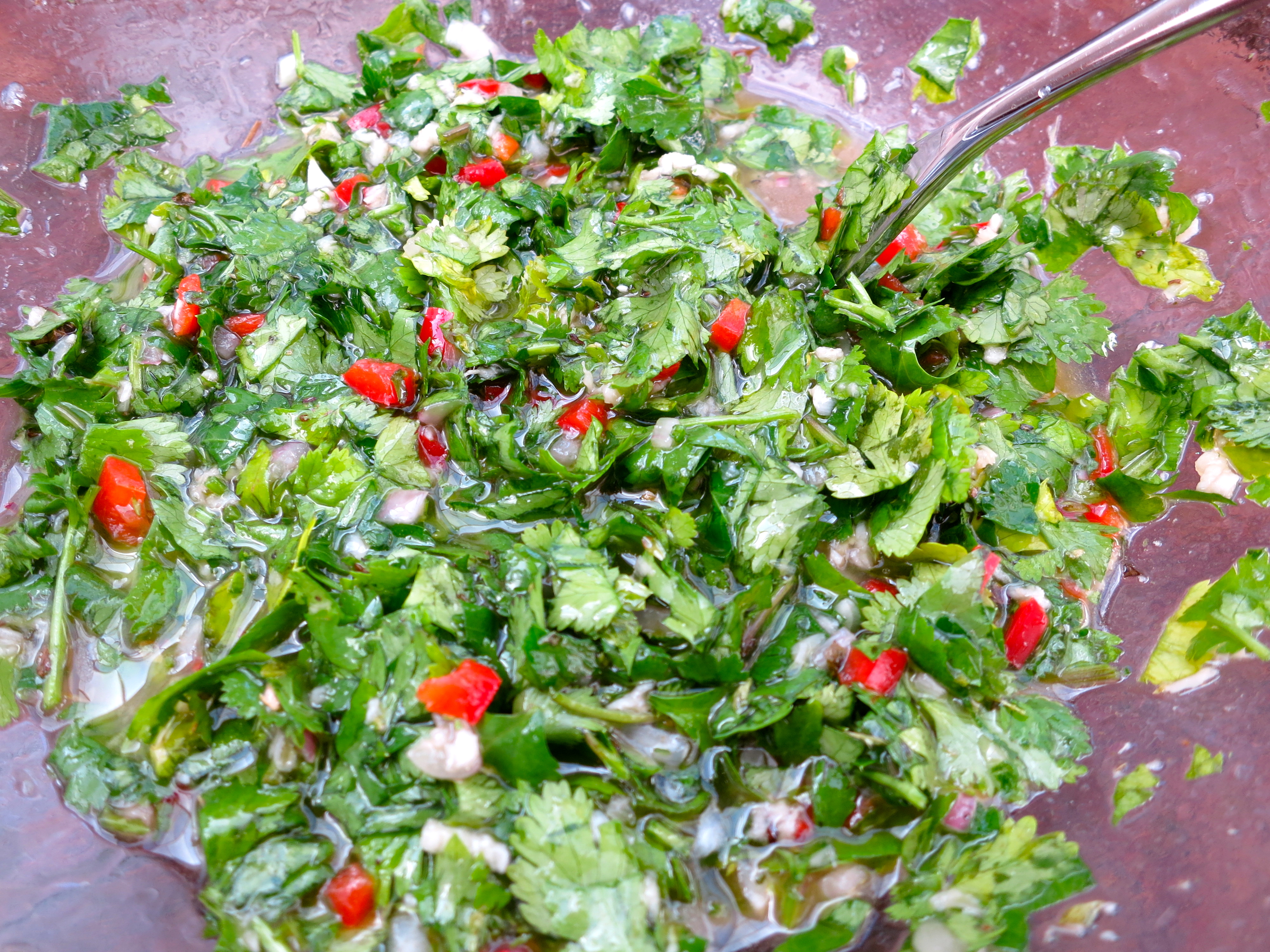
Just like its North American brethren, no asado would be complete without condiments. The most common in Argentina would have to be chimichurri, a sauce typically made of chopped parsley, garlic, oregano, olive oil and vinegar. I’d had chimichurri before at Argentinian steakhouses in the USA and was never really bowled over. But then I tried the chimichurri at a hole-in-the-wall parrilla serving choripan in San Telmo. The greasy, murky jar with the little plastic spoon may not have been so visually appealing, but that ish was delish. I had to make some at home.

Because I love cilantro, this version includes it, and is also heavy on the garlic. It’s amazing how such simple ingredients can come together so deliciously.

Chimichurri can also be used as a marinade before grilling, and I’ve found this recipe complements steak, pork and chicken. It’s definitely best with grilled meats, but I’ve used it with braised meat as well and have even mixed it with cooked quinoa for a tasty side dish.

This recipe is adapted from one in Bon Appétit.

CILANTRO CHIMICHURRI

1/2 cup red wine vinegar

1 tsp. sea salt

5 garlic cloves, minced

1 shallot, finely chopped

1 red jalapeño, finely chopped

2 cups chopped fresh cilantro

1 cup chopped parsley

2 T. dried oregano (or 1/3 fresh, chopped)

1/2 cup olive oil

Combine vinegar, 1 tsp. salt, garlic, shallot and chile in a medium bowl and let stand for at least 10 minutes. Stir in cilantro, parsley, and oregano. Using a fork, whisk in oil. If using as a marinade, reserve at least a 1/2 cup of the chimichurri, sprinkle with salt to taste, and use later as a sauce. For the marinade, put meat in a glass, stainless steel or ceramic dish and toss with remaining chimichurri. Cover and chill for at least 3 hours or overnight before grilling.

Garrapiñada, My Favorite Street Treat

Tags

,

Sundays in San Telmo are a noisy, crowded affair with the Feria de San Telmo in full swing. We happen to live on the street where the fair is held, which comes with its own set of pros and cons.

PRO: We have easy access to the antiques and handmade goods that 10,000 tourists from around the world descend upon San Telmo to browse.

CON: 10,000 tourists from around the world descend upon San Telmo.

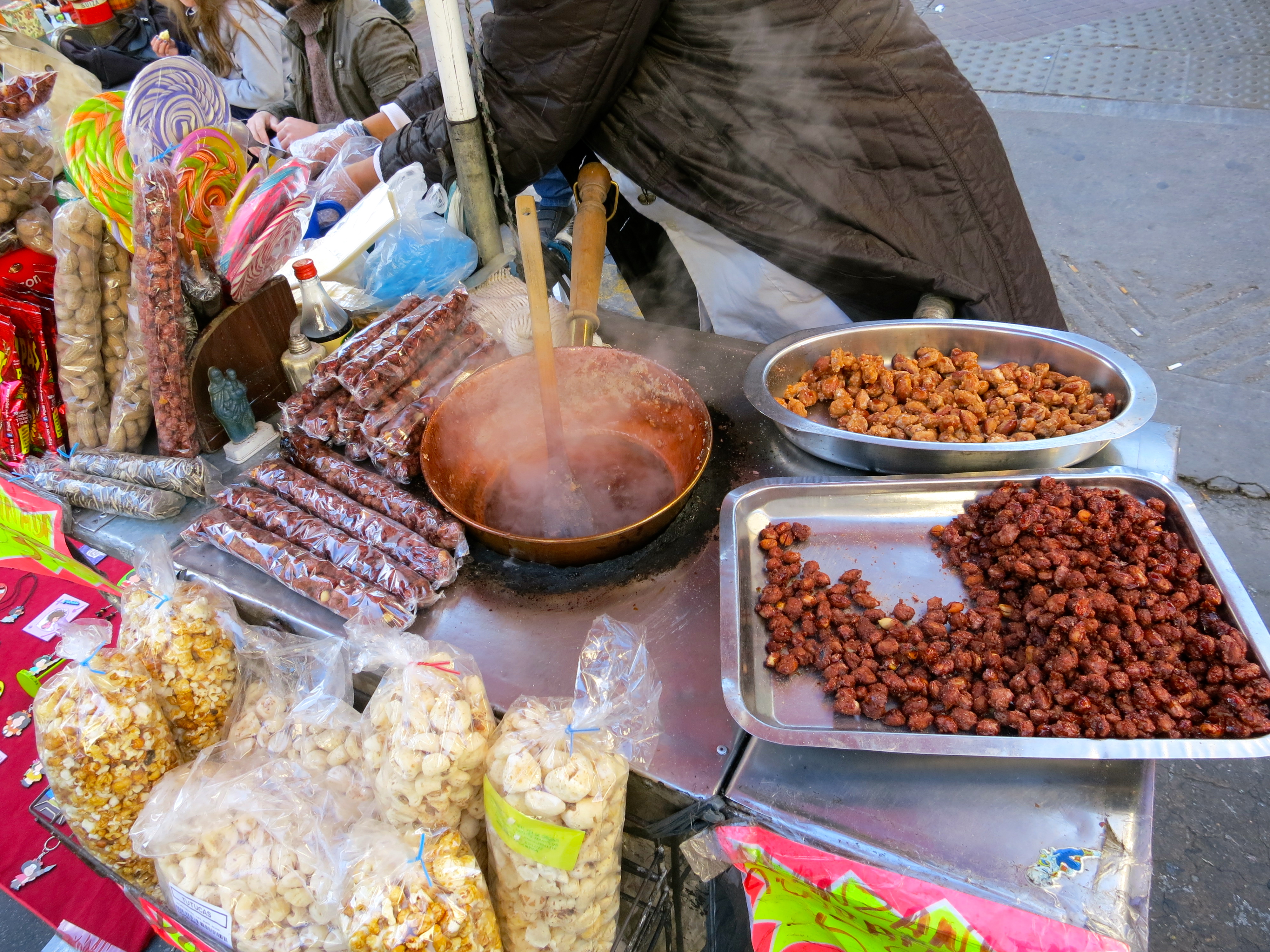
While I could do without hearing the same tango classic played outside my window repeatedly by street performers each Sunday, I still throw those windows open to bask in the heavenly smell of garrapiñada. Street carts hawking this delicious treat can be found on any day of the week, but they’re out in droves in San Telmo on Sundays and vanilla deliciousness is in the air.

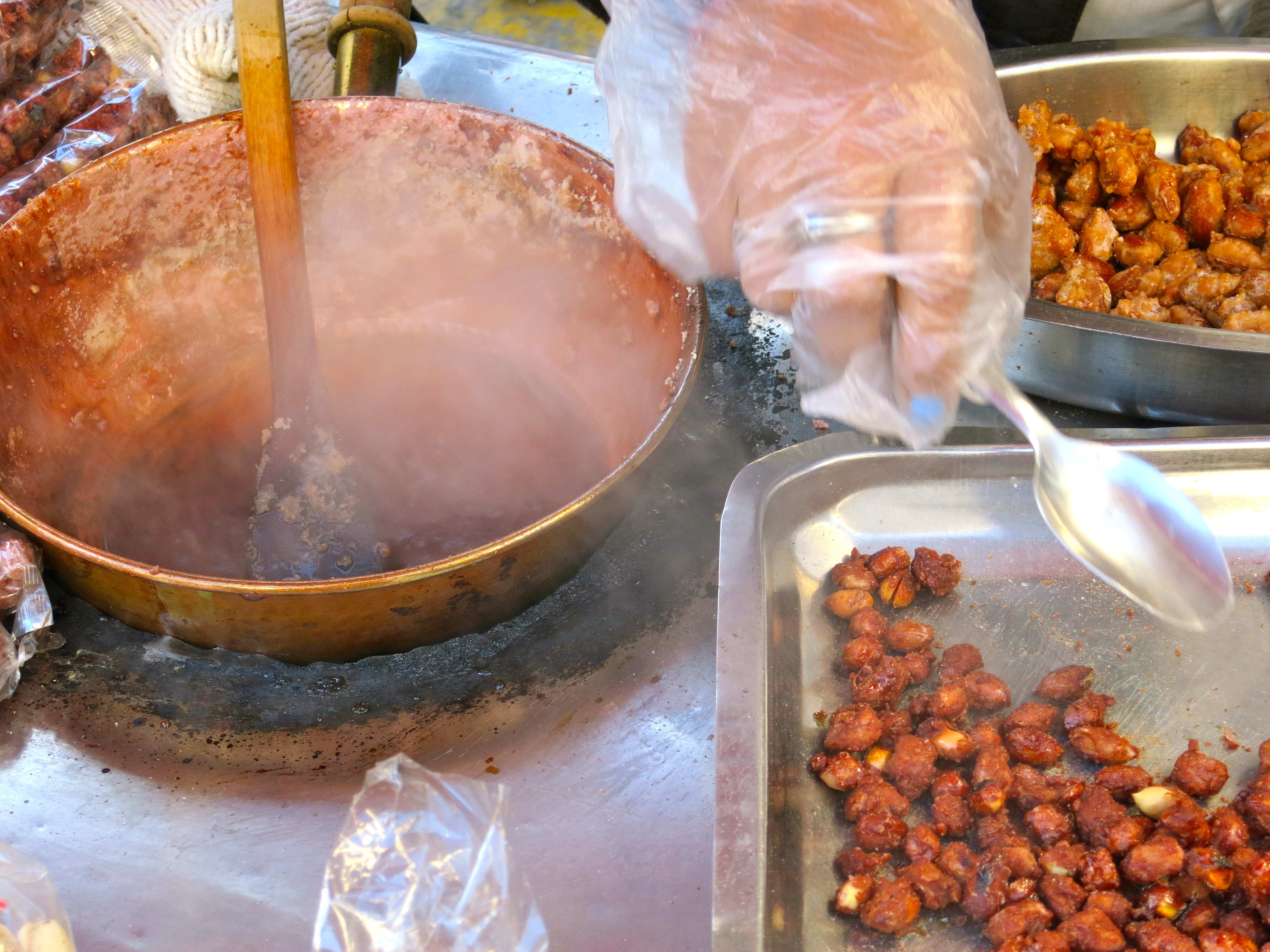
Garrapiñada is made with peanuts, sugar and vanilla, cooked until caramelized. The crunchy candied nuts are a common sight in Argentina and Uruguay. Most of the vendors in Buenos Aires also make it with almonds, my personal favorite variety. A small plastic packet generally runs between $2 and $5 pesos, depending how touristy the area is. Vale la pena, either way.

Garrapiñada: mani (peanuts) on the left, almendras (almonds) on the right.

The stuff’s amazing on its own. But last Thanksgiving, after searching high and low for pecans without any luck, I topped my sweet potato casserole with garrapiñada and I’m not quite sure I can ever go back. Now that I know where to find pecans, I’m thinking homemade pecan garrapiñada topping will make an appearance this year. Stay tuned…

¿Cómo se dice…? Fruits and Veggies

Tags

, , , ,

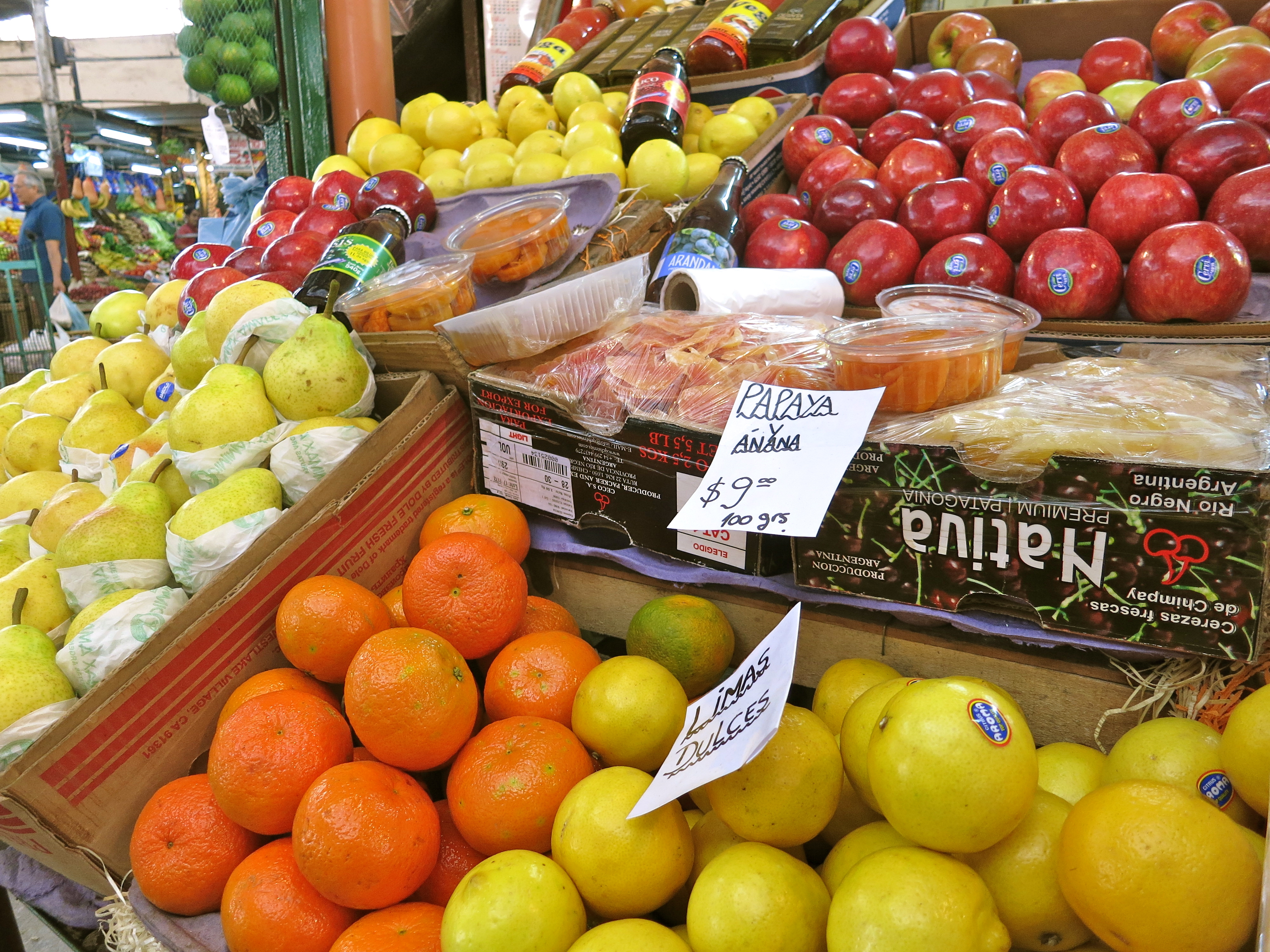
When you love to cook, moving to a country where you don’t speak the language can turn what used to be a simple trip to the grocery store into utter agony. Even after a year, many hundreds of hours of Spanish lessons and daily trips to the mercado, I still do a lot of pointing and asking, “¿Qué es esto?“.

The fact that different Spanish-speaking countries have different names for the same items also complicates things in my brain. You think you’re shopping for aguacates and fresas? Oh noooo, my friend, those are paltas and frutillas in castellano rioplatense. So for any new arrivals or those who are just starting to venture out to the verdulerias, here’s a list of some of the most common fruits, vegetables and herbs you may be attempting to purchase and their corresponding names in the region. For a complete list of kitchen and cooking terminology, check out NOLA Chef’s Kitchen Dictionary.

FRUITS, VEGETABLES & HERBS IN  ENGLISH & SPANISH / FRUTAS, VEGETALES & HIERBAS EN INGLÉS Y CASTELLANO

apple: la manzana

artichoke: el alcaucil

arugula: la rúcula

asparagus: los espárragos

avocado: la palta

banana: la banana

basil: la albahaca

bay leaves: las hojas de laurel

beans: las chauchas

beets: las remolachas

blueberry: el arándano

bok choy: el bok choy

broccoli: el brócoli

brussels sprouts: los repollitos de bruselas

cabbage: el repollo

cabbage (Napa): el repollo japonés

capers: las alcaparras

carrots: la zanahoria

cauliflower: la coliflor

celery: el apio

cherry: la cereza

chickpeas: los garbanzos

cilantro: el cilantro

coconut: el coco

corn: el choclo

cucumber: el pepino

dates: los dátiles

eggplant: la berenjena

endive: la endivia

fig: el higo

garlic: el ajo

ginger: el jengibre

grapefruit: el pomelo

grapes: las uvas

kiwi: el kiwi

leek: el puerro

lemon: el limón

lentils: las lentejas

lettuce: la lechuga

lime: la lima

mango: el mango

mint: la menta

mushrooms: los champiñones, los hongos

onion: la cebolla

onion (red): la cebolla morada

orange: la naranja

orange (mandarine): la mandarina

oregano: el orégano

parsley: el perejil

passion fruit: la maracuyá

peach: el durazno

pear: la pera

peas: las arvejas

pepper (bell varieties: green, red, yellow): el morrón (verde, rojo, amarillo)

pineapple: el ananá

plantain: el plátano

plum: la ciruela

pomegranate: la granada

potato: la papa

pumpkin: la calabaza (also means squash)

prune: la ciruela pasa

radish: el rábano

raspberry: la frambuesa

rosemary: el romero

rhubarb: el ruibarbo

sage: la salvia

shallots: los chalotes

spinach: la espinaca

squash: la calabaza (also means pumpkin)

strawberry: la frutilla

sweet potato: la batata

thyme: el tomillo

tomato (normal): el tomate redondo

tomato (Roma or plum): el tomate perita

tomato (cherry or grape): el tomate cherry

turnip: el nabo

watermelon: la sandía

zucchini (round): zapallito redondo

Okay, what am I missing? What am I saying wrong while the friendly verduleros just humor me? Where did I get the artículos incorrect? Your additions, suggestions and corrections are invited and welcome. Happy healthy shopping!

There’s No Substitute for Good Chocolate. Or Is There?

Tags

, , ,

Hellooo, lovah. Order yours here.

I love chocolate. I mean, who doesn’t love chocolate? Show yourselves, freaks! Of course, Buenos Aires is most well-known for dulce de leche, which is also highly lovable. But when it comes to chocolate, there’s just no substitution. So this can present a problem.

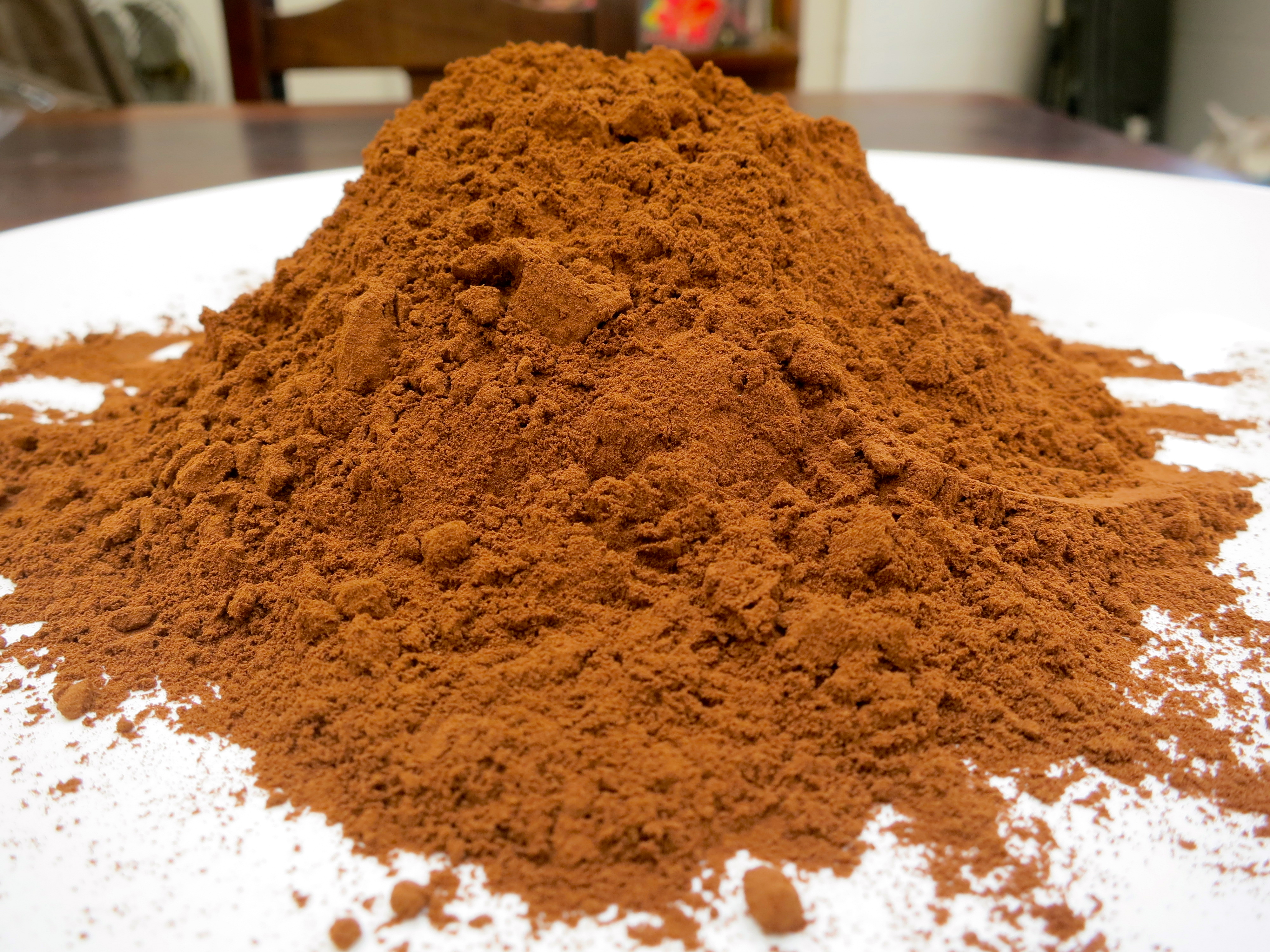
One of the challenges I’ve run into here is the lack of high-quality chocolate. Unsweetened baking chocolate is not the sort of thing you can find at the corner supermercado. Cocoa powder can be found at some dieteticas and in Barrio Chino, but I quickly realized the cocoa-to-cornstarch ratio in those packages was highly suspect. A flourless chocolate cake that only mildly tastes of chocolate? Completely unacceptable!

I tapped into the ex-pat foodie network for suggestions (thanks again, ladies!) and definitely plan to check out Fénix products soon, as well as casa de repostería Doña Clara based on this rave review from Kelly Volman. Though if I were basing my judgement solely on the cultural sensitivity of Doña Clara’s website, I may have put off that trip. I mean….?

Of course, there’s also the option of stocking up on quality chocolate when we visit the States, or enlisting incoming visitors to flaunt customs regulations and smuggle in some of the good stuff. Yes, I will do that. And no, I have no shame. But I really wanted to find a way to work within the confines of what’s readily available. So I’ve been experimenting.

Probably the most well-known substitute when a recipe calls for unsweetened baking chocolate is the trusty cocoa powder trick. Basically:

3 Tablespoons of cocoa powder + 1 Tablespoon of fat (butter, oil or shortening) = 1 ounce of unsweetened chocolate

But when your cocoa powder tastes more like flour than chocolate, this isn’t gonna fly.

Cocoa powder, eh? LIES!

Instead, I’ve found that with a little mathematical MacGyvering, substituting bittersweet chocolate for unsweetened yields the best, most chocolatey results. This substitution requires WAY more math than I’m typically willing to attempt, but a girl’s gotta do what a girl’s gotta do. Essentially, you need to figure out how much additional bittersweet chocolate you need to add to the recipe to arrive at 100% chocolate, and then reduce the amount of sugar that’s added to the recipe accordingly. Confused yet? Yeah, me too.

To make things easier on myself, and because I’m a firm believer that there’s no such thing as “too much chocolate” I’ve simplified this a bit. The most common bittersweet chocolate I’ve found is 60% cacao. So here’s my formula:

Multiply the amount of unsweetened chocolate by two to determine how much bittersweet chocolate to use. (Ex: If recipe calls for 6 ounces unsweetened chocolate, 6 x 2 = 12 ounces of bittersweet chocolate).

Reduce the amount of sugar added to the recipe by 1 Tablespoon per ounce of bittersweet chocolate. (Ex: For 12 ounces of bittersweet chocolate, reduce the sugar added by 12 Tablespoons, or 3/4 cup).

This is by no means scientific. Some may also recommend you adjust the amount of fat (butter, oil or shortening) you use in the recipe. But I’m already biting off more math than I can chew with the above method, especially considering the chocolate here is sold in grams instead of ounces so that requires more conversion magic. This version’s never failed me for cakes, brownies or frosting…so I’ll leave the perfectionism to the math nerds.