• About
  • Contact
  • Orders / Pedidos
  • Press

One Day Café

~ good eats from a small kitchen

One Day Café

Category Archives: travel

Campfire Cooking: Hobo Pies

12 Tuesday Feb 2013

Posted by Anonymous in argentina, breakfast and brunch, chile, desserts, entrees, recipes, travel

≈ 2 Comments

Tags

Argentina, campfire, Camping, camping food, chile, food, hobo pies, mountain pies, sandwiches, the beach, travel

Why is this road so empty?

The wide open road heading into Paso San Francisco.

We made our way through northern Argentina more quickly than expected. Since we’ve had the opportunity to explore Salta, Tucumán, and Mendoza on previous trips, we basically made a beeline from Brazil to the Chilean coast. We crossed into Chile via the little used Paso de San Francisco, which included more than 100 kilometers of unpaved, extremely bumpy and winding roads through the Andes…an adventure that explains why we had the road virtually to ourselves.

Emerging from Paso San Francisco into the Atacama Desert in Chile

Emerging from Paso San Francisco into the Atacama Desert in Chile

Now we’re slowly working our way up the coast of Chile, where many of the beaches are wide open for public use, fishing, and camping. Having the opportunity to pitch a tent on a peaceful beach with the waves breaking and the sky overflowing with brilliant stars is extra special. And after subsisting on a diet of yogurt, crackers, canned tuna and mouthfuls of desert dust for a few days on the road, we were ready for some tasty camp food.

Playa Cifuncho Camping

I was first introduced to hobo pies by my high school BFF during a camping trip in Assateague Island, Maryland – another spot I highly recommend for some quality beach camping. When she whipped out her hobo pie maker, I admit that I did not believe the hype. It’s basically a square, sandwich-sized pie iron and I prepared myself for the equivalent of grilled cheese. But after devouring deliciously crispy mini pepperoni pizzas pockets and polishing off a S’mores sammie oozing melted chocolate and marshmallows, I was thoroughly convinced that I needed a hobo pie maker, stat. (Thanks Suzie! I should have never doubted you).
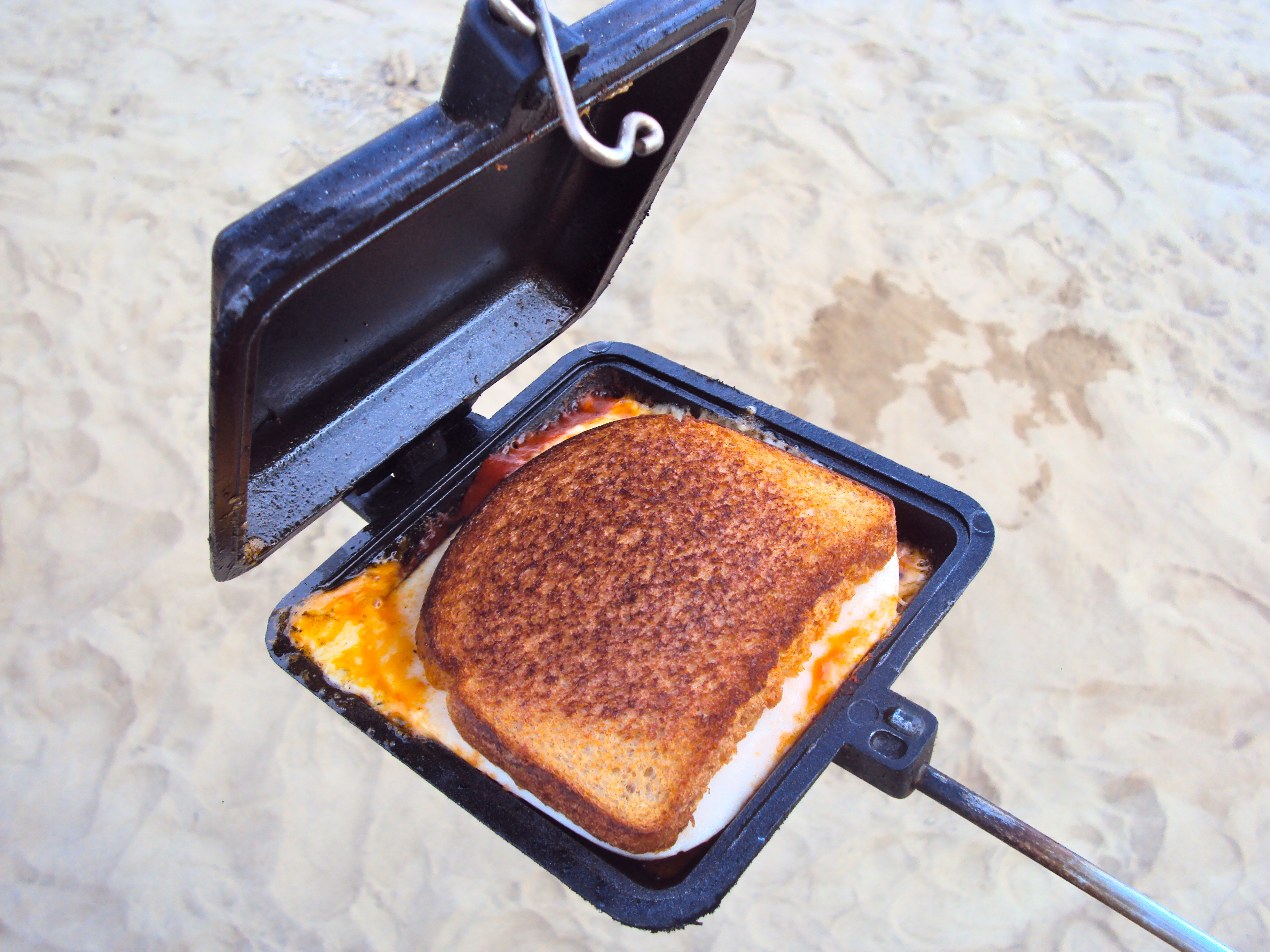
Hobo Pies

There’s really no recipe needed for a delicious hobo pie and experimenting is half the fun. The basic requirements are the pie iron (which you can purchase at camping/outdoor stores or online), some non-stick cooking spray, sliced bread, and of course, a campfire. Just grease the pie iron with the cooking spray, make your sandwich with your ingredients of choice, lock it up and stick it in the fire. Cooking time varies depending on the strength of your fire, but I generally check within a minute or so in case I want to adjust the positioning to reduce the potential for burnt toast. Simple, right? And something about cooking on a campfire just makes everything taste better.

With the limited ingredient options that come with traveling through South America, we’ve played it somewhat safe thus far. Toasted ham and cheese with a slice of tomato is a good bet for a quick and easy breakfast or lunch. For dinner, turkey, cheese and tomato sauce with some freshly ground black pepper hits the spot.  But I dream of making delicious Reuben Hobo Pies, or pies stuffed with brie and strawberries, or maybe some peanut butter banana chocolate goodness….but that will have to wait til we’re back in the homeland.
Cooling Off with Caldo de Cana

05 Tuesday Feb 2013

Posted by Anonymous in brazil, travel

≈ Comments Off on Cooling Off with Caldo de Cana

Tags

beach drinks, Brazil, caldo de cana, drinks, liquid sugar, natural wonders of the world, non-alcoholic drinks, sugar cane, traditional Brazilian food

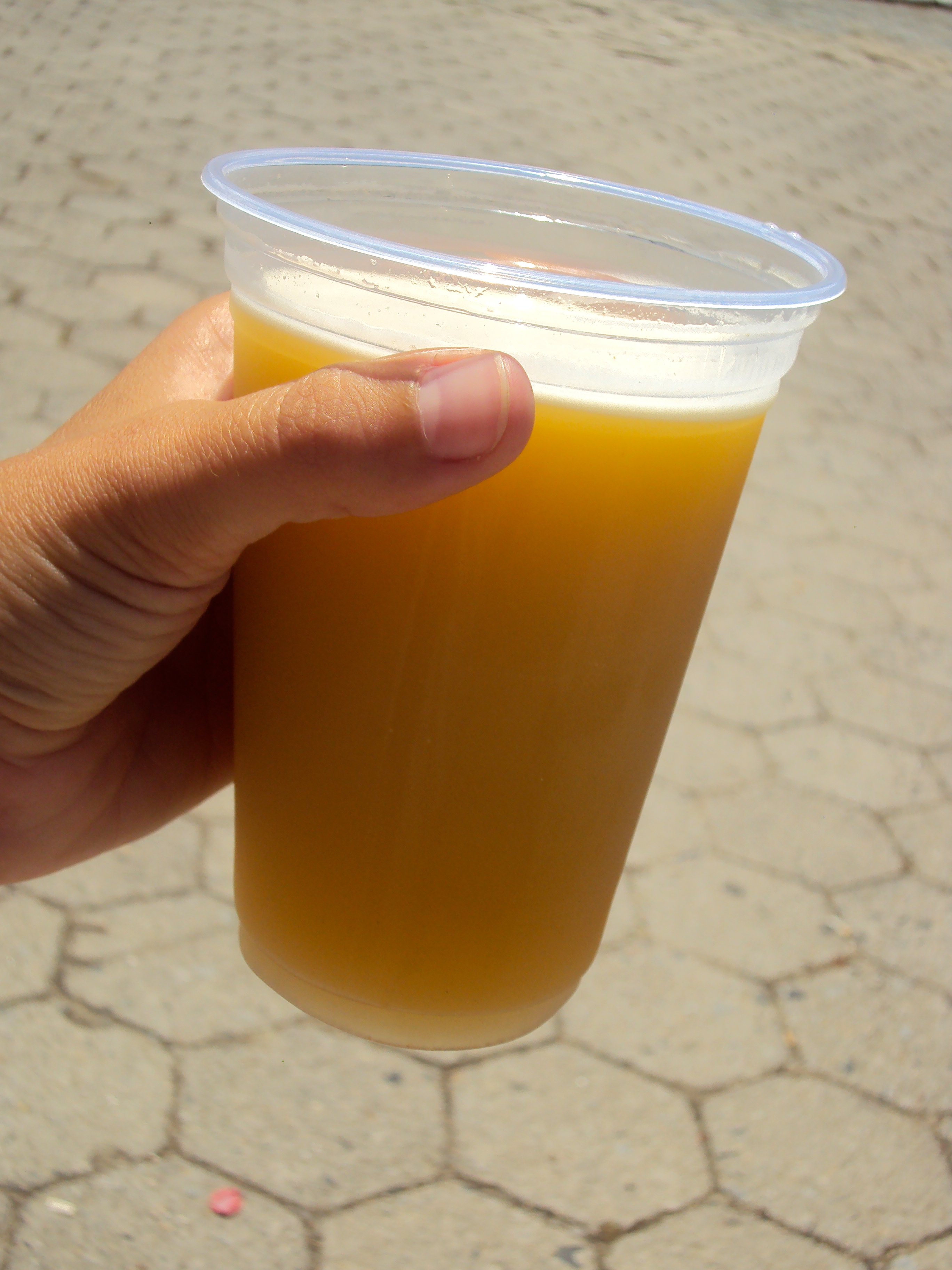
Caldo de Cana

“Cane broth”.

Certainly not the most tempting of monikers, but after seeing carts hawking caldo de cana all over southern Brazil from the highways of Paraná to the beaches of Santa Catarina, I had to give it a try.

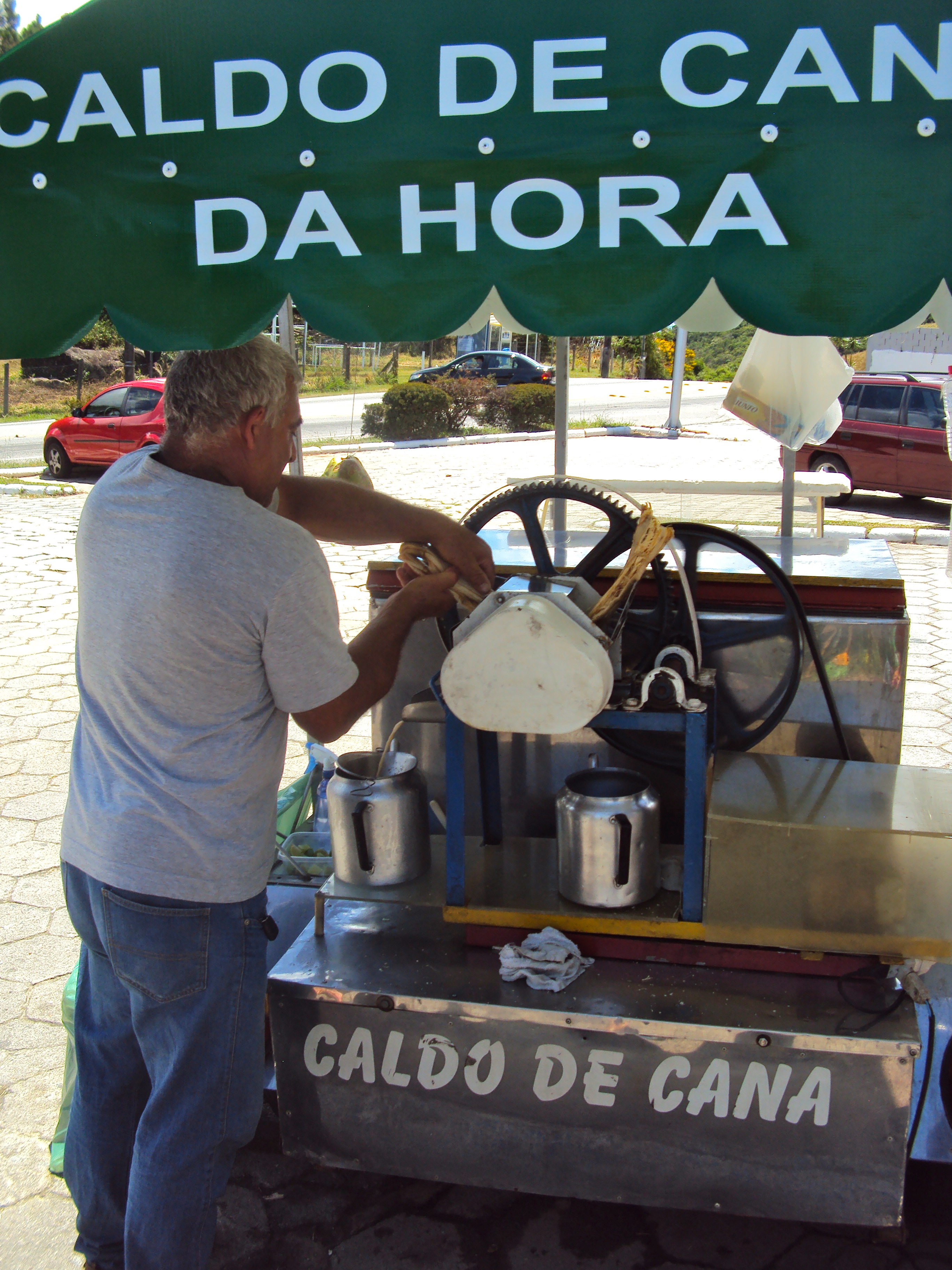
Caldo de cana is essentially raw sugar cane juice, made by peeling the canes and running them through a pressing machine. Many of the street carts use a hand-cranked press, and you can watch as your drink is squeezed from what looks to me like a couple of dry sticks. The result is a yellowish, milky liquid that is served super cold, with a splash of lime. Sounds gross, looks gross, tastes great.

Caldo de Cana Cart

I was sure it would be too sweet for me, but I actually found the unique flavor really appealing and super refreshing. Perhaps one of the reasons it’s so popular in the sweltering heat of Brazil. Of course, given the high sugar content, it’s certainly not going to help you get into bikini-wearing shape. But if you’re on vacation here, you’re probably already indulging in caipirinhas (Brazil’s national cocktail made with the sugar cane rum cachaça) soooo let’s just look at it as the lesser of two evils.

I leave you with this gratuitous picture I snapped of a portion of Iguazu Falls, one of the seven natural wonders of the world and our last stop in Brazil. The falls stretch for a whopping 1.7 miles and include anywhere from 150 to 300 individual waterfalls, depending on the water level. Absolutely stunning.

Iguazu

Now, on to northern Argentina and Chile. Nos vemos!

Filling Up on Seafood in Florianópolis, Brazil

01 Friday Feb 2013

Posted by Anonymous in brazil, travel

≈ 7 Comments

Tags

beaches, beans, Brazil, feijão, fish, Florianópolis, pirão, seafood, shrimp, traditional Brazilian food, travel

Last week, we arrived in Florianópolis — Floripa, as it’s referred to locally. Located in the state of Santa Catarina in southern Brazil, Floripa includes one main island with a group of smaller islands, a continental portion, and a whopping 42 beaches. Helloooo paradise.

Florianópolis, Brazil

In between work calls and emails (a.k.a. reality) we spent seven glorious days exploring the picturesque coastline and sampling the local cuisine. Some of the beaches, like Lagoinha do Leste, are completely isolated and tucked away and suit our tastes perfectly. Others, particularly in the northern part of the island, are teeming with locals and tourists and plenty of eateries to ensure there’s no reason to leave the beach. We like that, too.

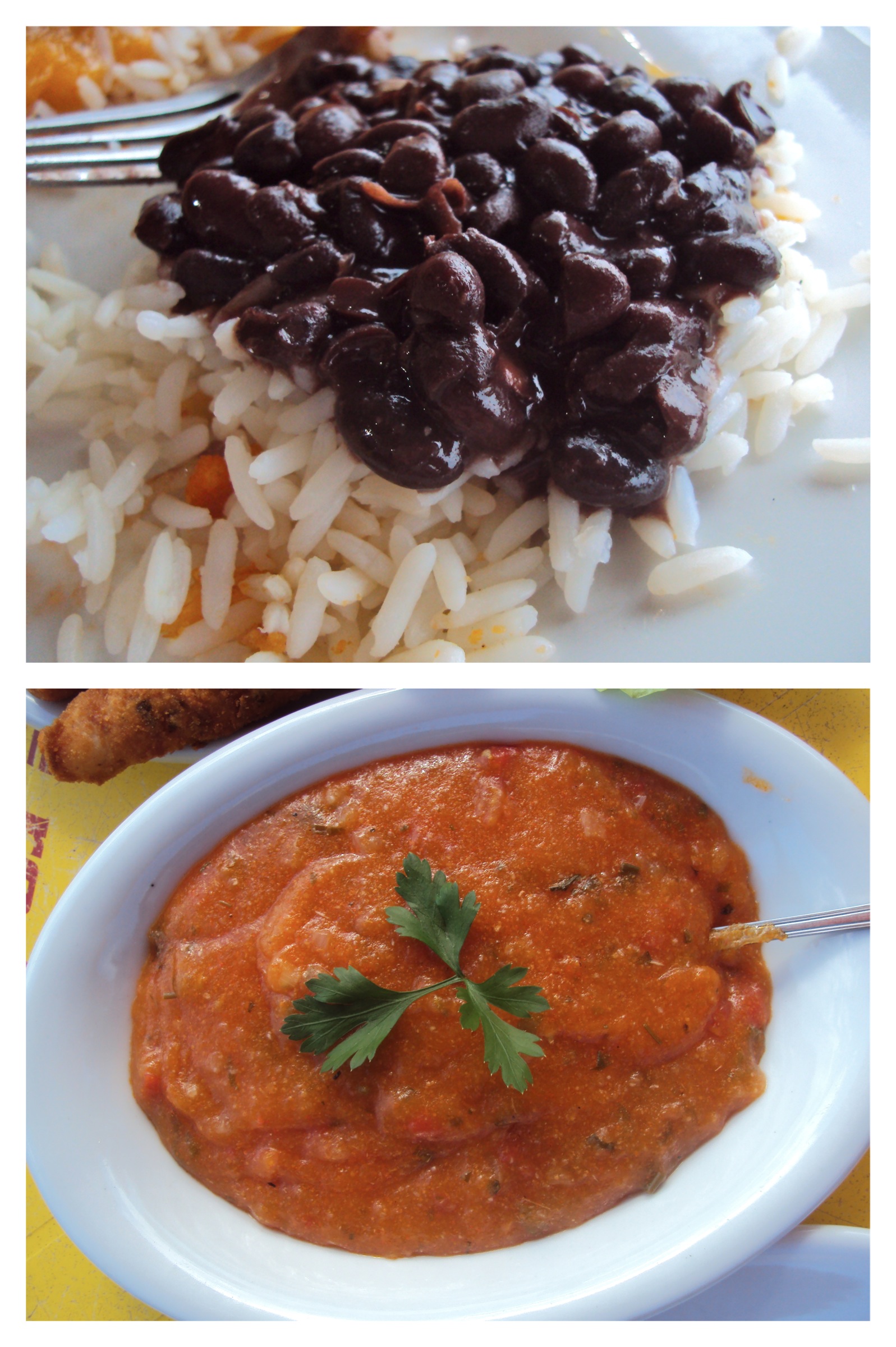
I was excited to finally try Brazilian feijão, a black bean stew and common side dish usually eaten over rice. It’s the basis of what many recognize as the country’s national dish, feijoada, which also includes salted pork and beef. And every meal (seriously….EVERY meal) was served with pirão, a traditional gruel made with fish stock and manioc flour. It was not a hit. The texture was odd for me, something like a congealed, tepid stew, and flavor-wise it was pretty bland. An acquired taste, perhaps?

Feijão (thumbs up!) and pirão (thumbs down)

feijão at the top (thumbs up) and pirão below (thumbs down)

But seafood is definitely the foodie focus in Floripa, with pages of every menu dedicated to various preparations of fish, oysters and shrimp. Lagoons all over the island are dotted with colorful fishing boats, and full of people tossing their fishing nets in the water.

Aside from a ton of fruit (side note: I swear the bananas are sweeter) we averaged a meal a day, which may not sound like much until you lay eyes on the meals. We tried a few different versions of almoço platters, which included fried fish, feijão, pirão, fries, and a “salad” that was always some combination of beets, carrots and tomatoes. I really liked the anchova grelhada version. I had feared it was going to be a bunch of tiny salty anchovies of the packed-in-oil variety, but it was actually a gigantic, mild white fillet.

Anchova Grelhada

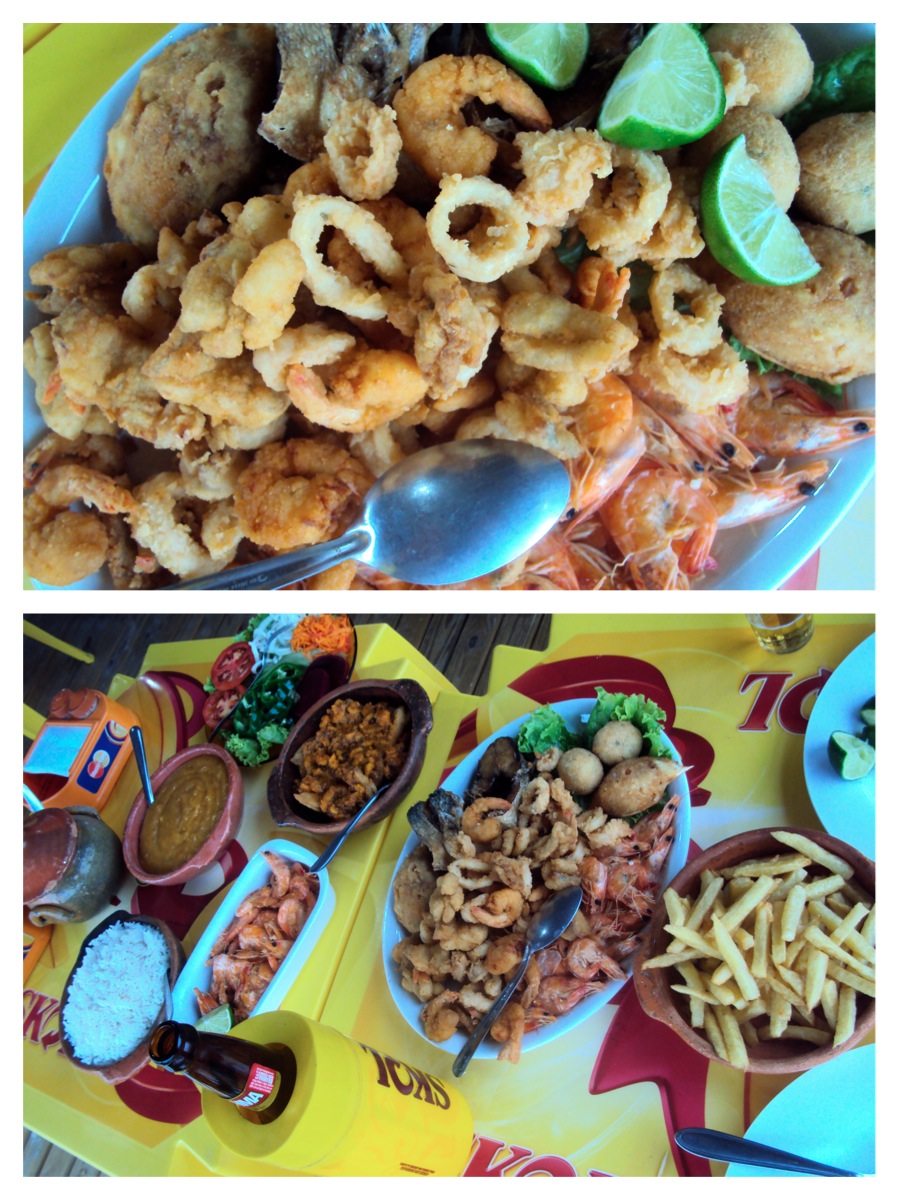
By far our most ambitious meal was the sequência de camarão, or “sequence of shrimp”. The name strikes me as both accurate and misleading at the same time. It is, indeed, a sequence; every time we thought the final dish had arrived, another one showed up. But it’s so much more than shrimp. There was crab, calamari, buñuelos de algas (fried balls of seaweed), a ton of different fish preparations, and of course, more  feijão, pirão, fries and salad. We were actually slightly horrified because it was so clearly more than two people could possible ingest, but we put a good hurtin’ on it.  The highlight for me was the peixe mole: chunks of fried fish topped with tiny shrimp in a savory red mole sauce.

Sequencia de Camarão

Thus far, our mission to detox from the Argentine diet of meat, empanadas and pizza has been a success! Albeit short-lived, as we’re crossing back into northern Argentina this week. It was fun while it lasted, Floripa.

Escaping to Casa Los Jazmines in Colonia, Uruguay

23 Wednesday Jan 2013

Posted by Anonymous in travel, uruguay

≈ 3 Comments

Tags

Bed & Breakfasts, Casa los Jazmines, Colonia del Sacramento, Pet-Friendly Hotel, travel, Uruguay, Weekend Getaways

Casa Los Jazmines

Gaspar es un genio.

The man’s got a knack for finding amazing, tucked away places for us to stay. This is one of them. We’d spent a night at Casa Los Jazmines in the past and adored it. In his infinite wisdom, G made us a reservation to stay here our first night after leaving Buenos Aires, to help soothe my sorrow. It worked.

Casa Los Jazmines is in Colonia del Sacramento, a town in southwestern Uruguay on the Río de la Plata. It’s the oldest town in Uruguay, and I’ve always loved its quaint, historic charm. Some find it a bit too sleepy for their tastes, and as a destination it’s certainly no Miami Beach. But if enjoying nature and relaxation in a historic setting is your cup of tea, you’ll love it as much as we do.

Casa Los Jazmines Collage

The bed & breakfast is nestled in the rolling countryside about 9km outside of the city proper. Marcial, the owner, is living my dream. He has opened up his home to guests, cooks all the meals, and is an excellent and attentive host. The property is sprawling, with a pool, a garden, and acres of land dotted with horses and lemon trees. There are currently five rooms available to guests, each one in its own wing of the house, which gives you the illusion that this could practically be your own personal manse.

DSC02241

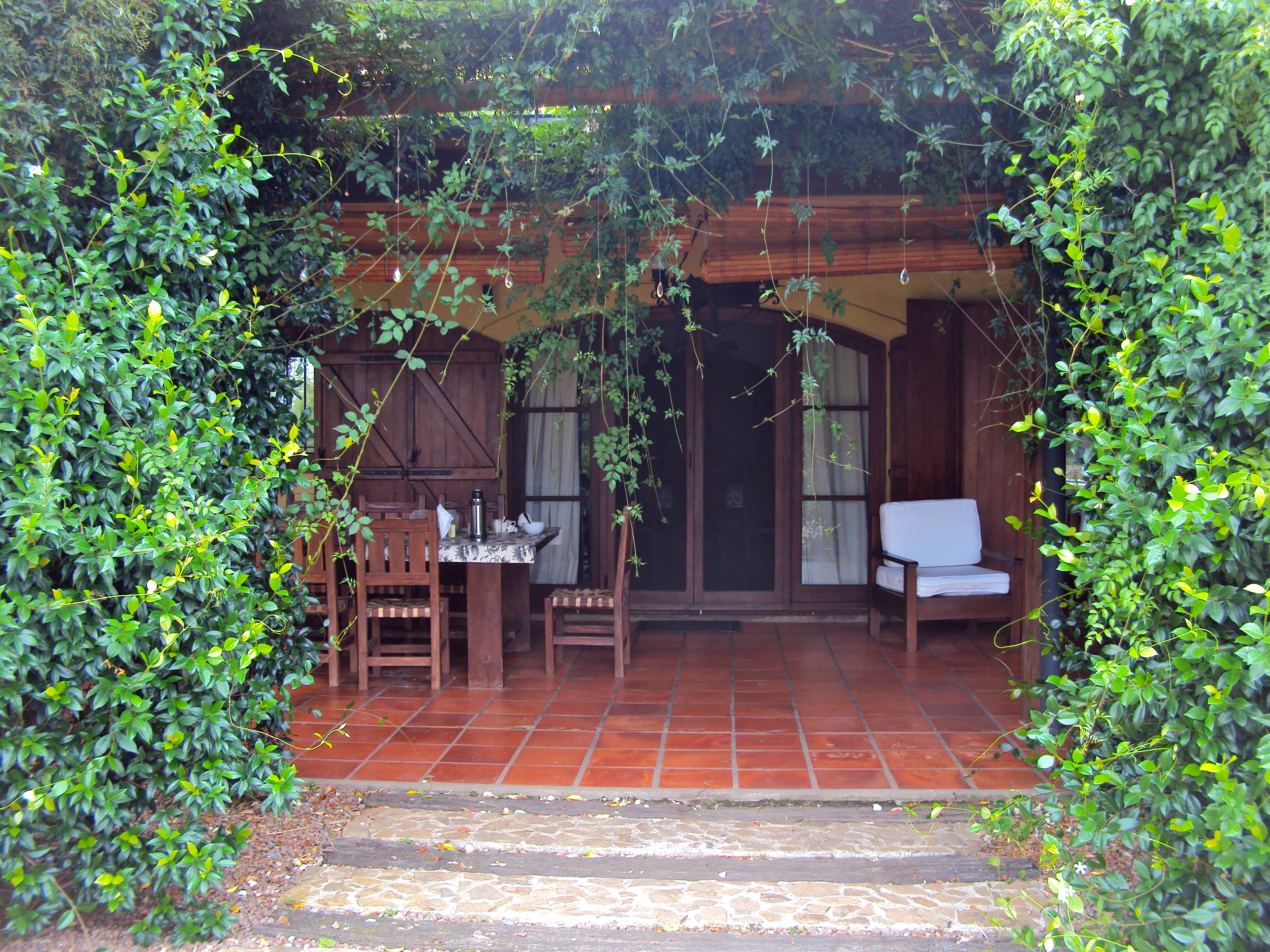
My favorite part of the property is the main terrace, where we like to eat breakfast and dinner. Marcial will prepare your meal at a time of your choosing, and serve it wherever on the property you’d like. There’s a communal table in the dining area, where you can watch dinner come together in the large open kitchen. Or you also have the option of enjoying your meals on your room’s private terrace.

DSC02214

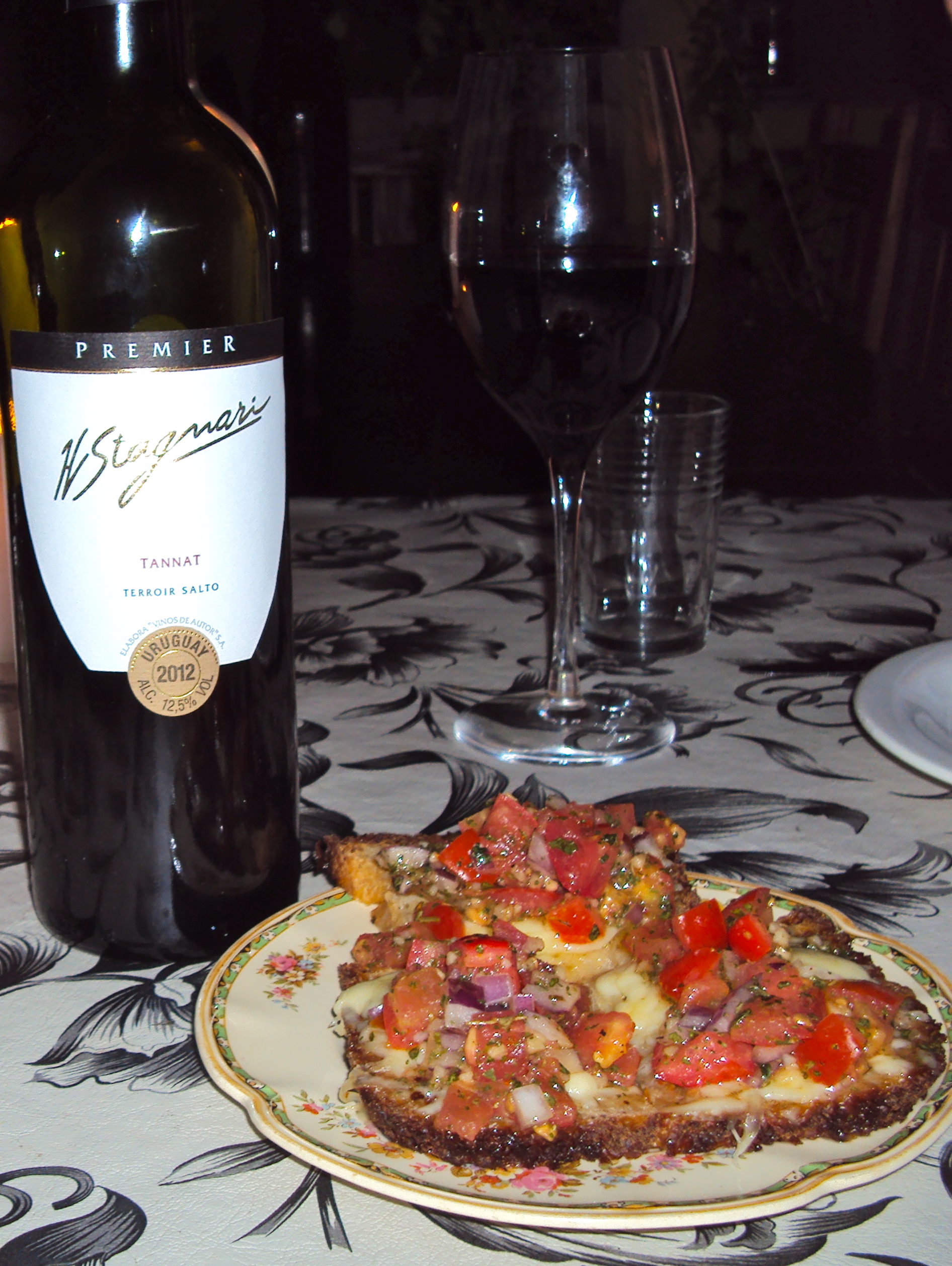
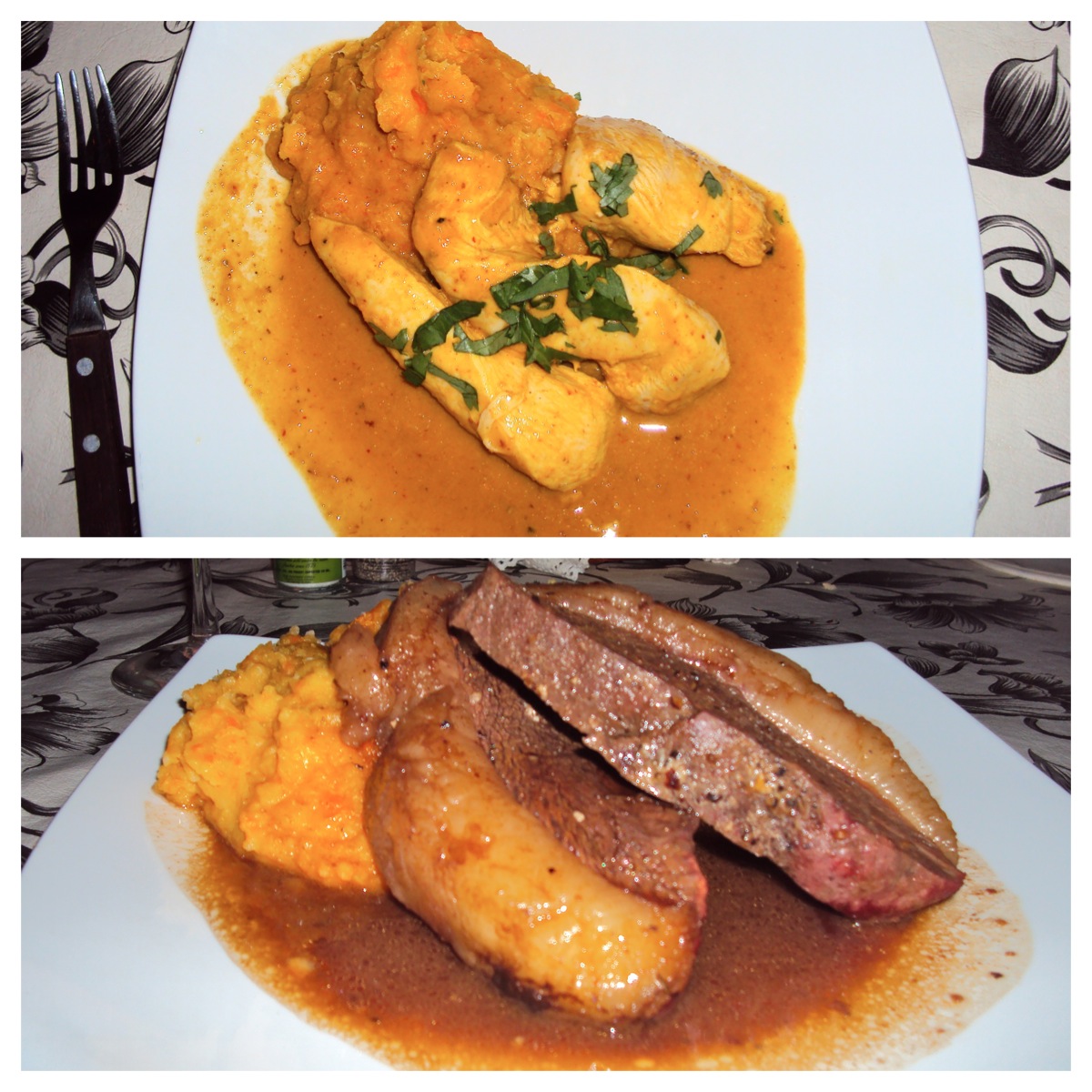
Dinner is good, nothing too fancy. We started with wonderfully garlicky tomato bruschetta and a bottle of tannat, a Uruguayan red wine varietal. Two options are typically offered for dinner, so we ordered one of each: chicken breast fillets in a mustard sauce with sweet potatoes, and cuadril (rump steak) served with mashed BBQ sweet potatoes.

Casa Los Jazmines Food

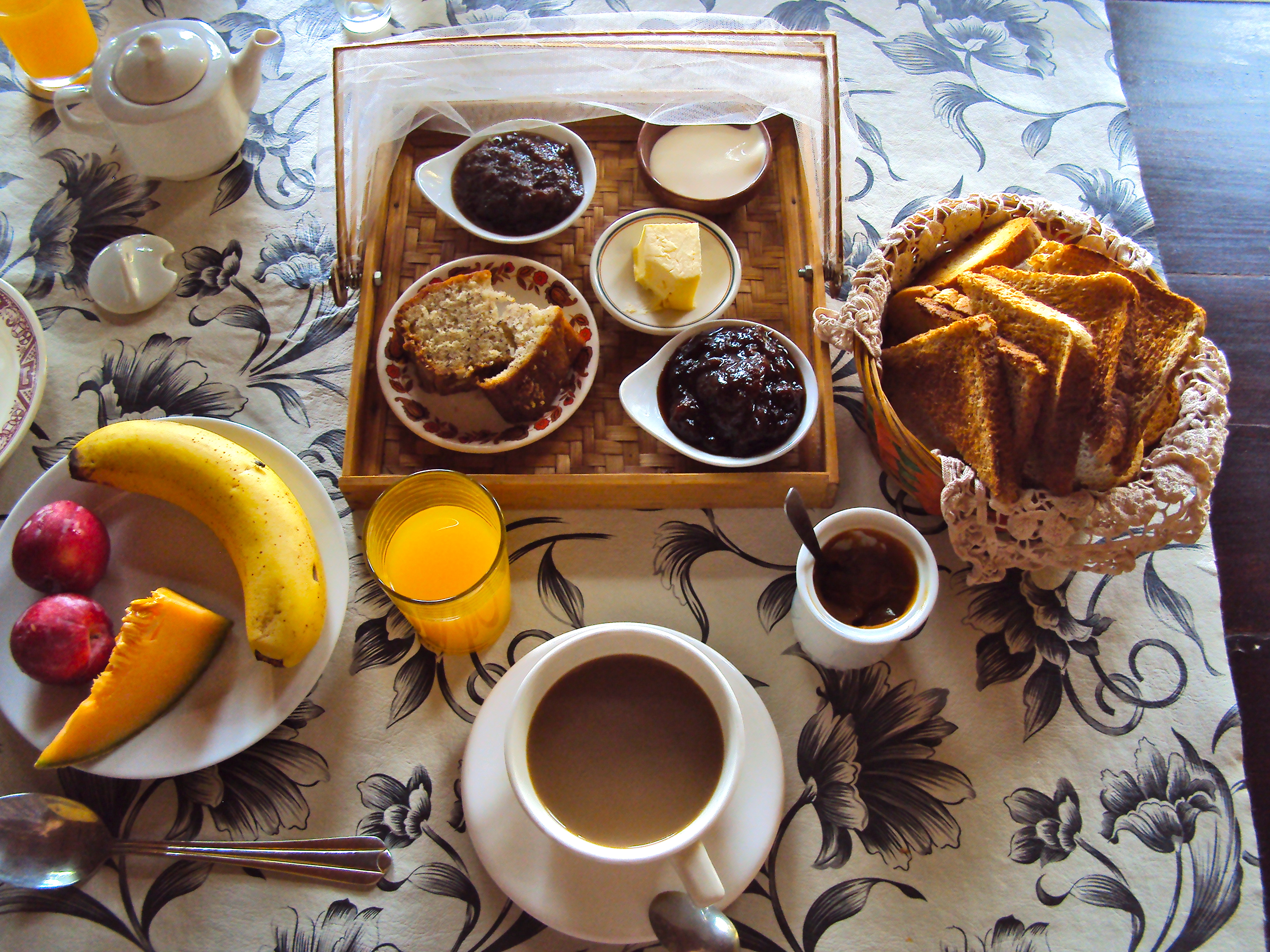
Collapsing into the luxuriously soft bed is such a treat. And in the morning, just the sight of the breakfast setup makes me sigh with satisfaction. Moist homemade banana bread, fresh-squeezed orange juice, fresh fruit, and toast begging to be smothered in creamy dulce de leche.

Casa Los Jazmines Breakfast

Our two stays here have been short-lived, as a brief overnight treat to recover from/prepare for long road trips. For a longer stay there would be no shortage of options to keep you busy. Bicycles are available to guests looking to explore the countryside, check out a local winery, ride into town, or take a tour of Colonia. If relaxation’s more your style, massages and beauty treatments can be arranged poolside or in your room. True to their mantra, “Todo es posible.”

I need to take lessons from these guys.

CASA LOS JAZMINES – Colonia del Sacramento, Uruguay

Check them out on TripAdvisor’s Traveler’s Choice 2013 list, where they were just selected as one of the Top 25 B&Bs and Inns in South America. And they’re pet-friendly!

REAL Sushi in San Telmo

17 Thursday Jan 2013

Posted by Anonymous in argentina, buenos aires, restaurants, travel

≈ Comments Off on REAL Sushi in San Telmo

Tags

Buenos Aires, Buenos Aires restaurant, cream cheese, fish, Japanese food, restaurants, salmon, San Telmo, San Telmo restaurants, sushi, sushi restaurants

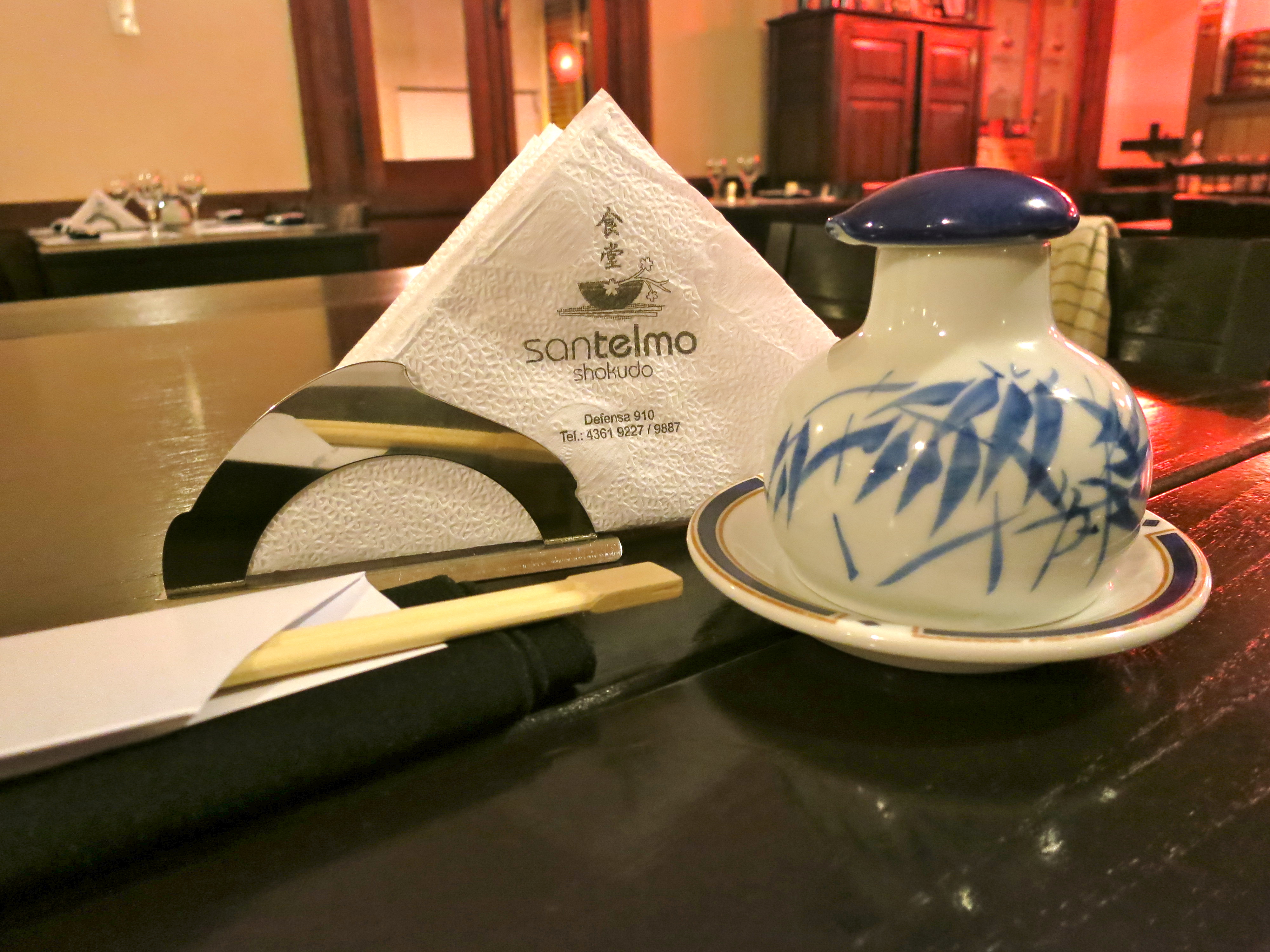
Shokudo

“Cream cheese.” “Queso crema.” “Philadelphia.” Whatever you call it, I’m baffled as to why it seems to be the key ingredient in Argentine sushi. Don’t get me wrong, I love me some cream cheese, and I can enjoy the occasional salmon and cream cheese stuffed sushi roll. But in most sushi restaurants here, globs of it appear everywhere, and it’s just…no.

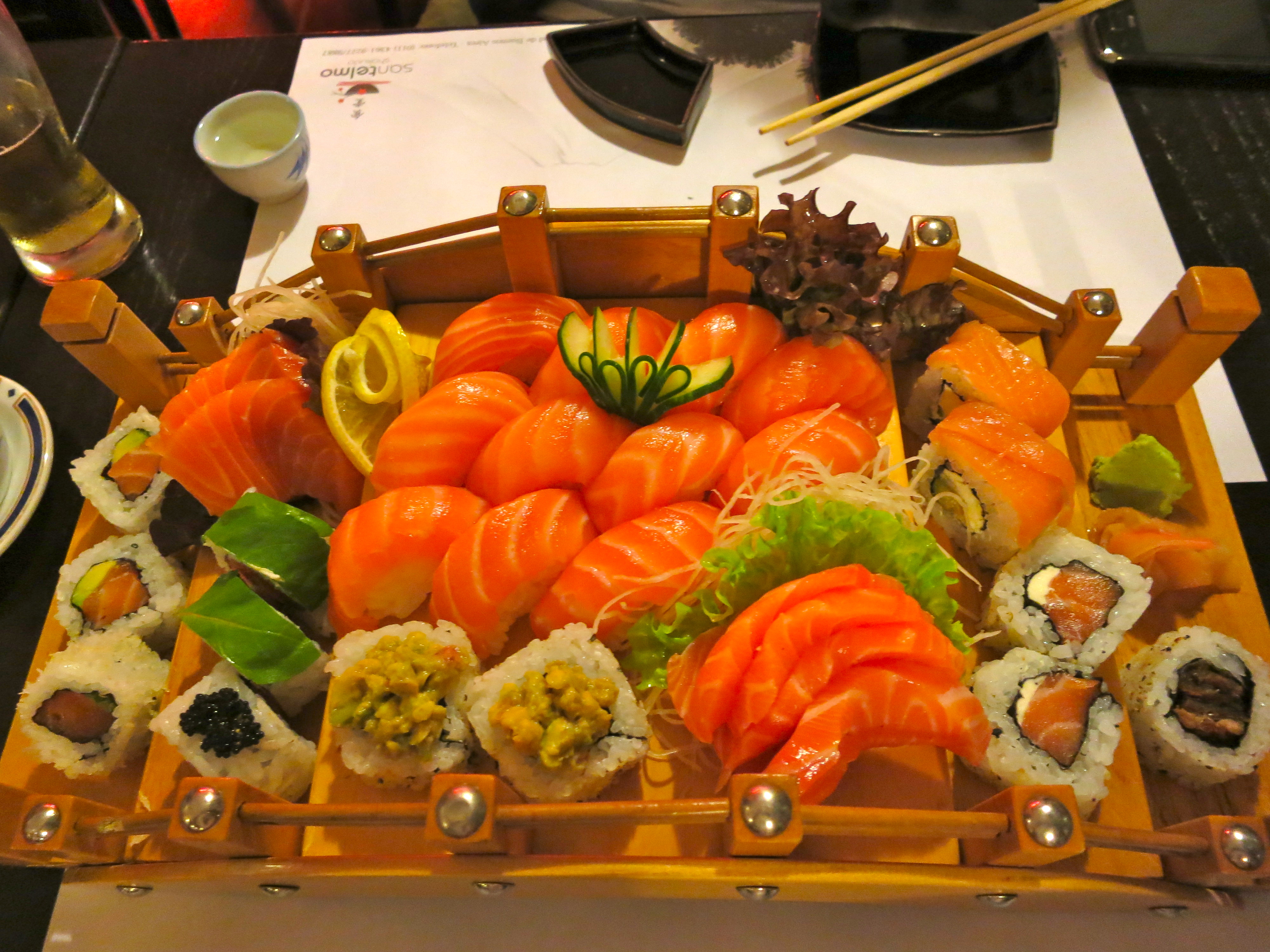
Thank goodness for Shokudo and Comedor Nikkai, two restaurants owned by Argentina’s Japanese Association that just so happen to be within blocks of our apartment. This sushi’s the real deal. The thick slices of rich, butter-smooth salmon sashimi practically melt in your mouth. And while a dab of cream cheese can be spotted from time to time, they actually complement the salmon rather than overpower it. I can honestly say the sashimi and nigiri are the best I’ve ever had, and considering this town’s reputation for awful sushi, that was an unexpected revelation.

Shokudo Sushi

Both restaurants have basically the same menu. Our go-to order is the Osaka de Salmón, a mix of 30 pieces of salmon sashimi, nigiri, and rolls that are left up to the sushi chefs imagination. It comes with a small entrada, a bowl of miso soup, and a cup of green tea at the end of the meal. The restaurants are both dim and not photo-friendly, so unfortunately the pics don’t do the food justice.

Both locations are a bit tucked away. Shokudo is on a second floor, overlooking Defensa, while Comedor Nikkai is inside the Japanese Association building on Independencia and doesn’t even have a sign. But if you hear the loud (and kinda scary) sounds of people practicing martial arts, you’re in the right place.

SAN TELMO SHOKUDO – Defensa 910 in San Telmo

COMEDOR NIKKAI – Independencia 732 in San Telmo

My Favorite Argentine Wine: Pulenta Estate Gran Cabernet Franc

14 Monday Jan 2013

Posted by Anonymous in argentina, mendoza, tips & how to's, travel

≈ Comments Off on My Favorite Argentine Wine: Pulenta Estate Gran Cabernet Franc

Tags

Argentina, argentine wine, Cabernet Franc, favorites, Mendoza, red wine, tourist attraction, travel, wine, wine tasting

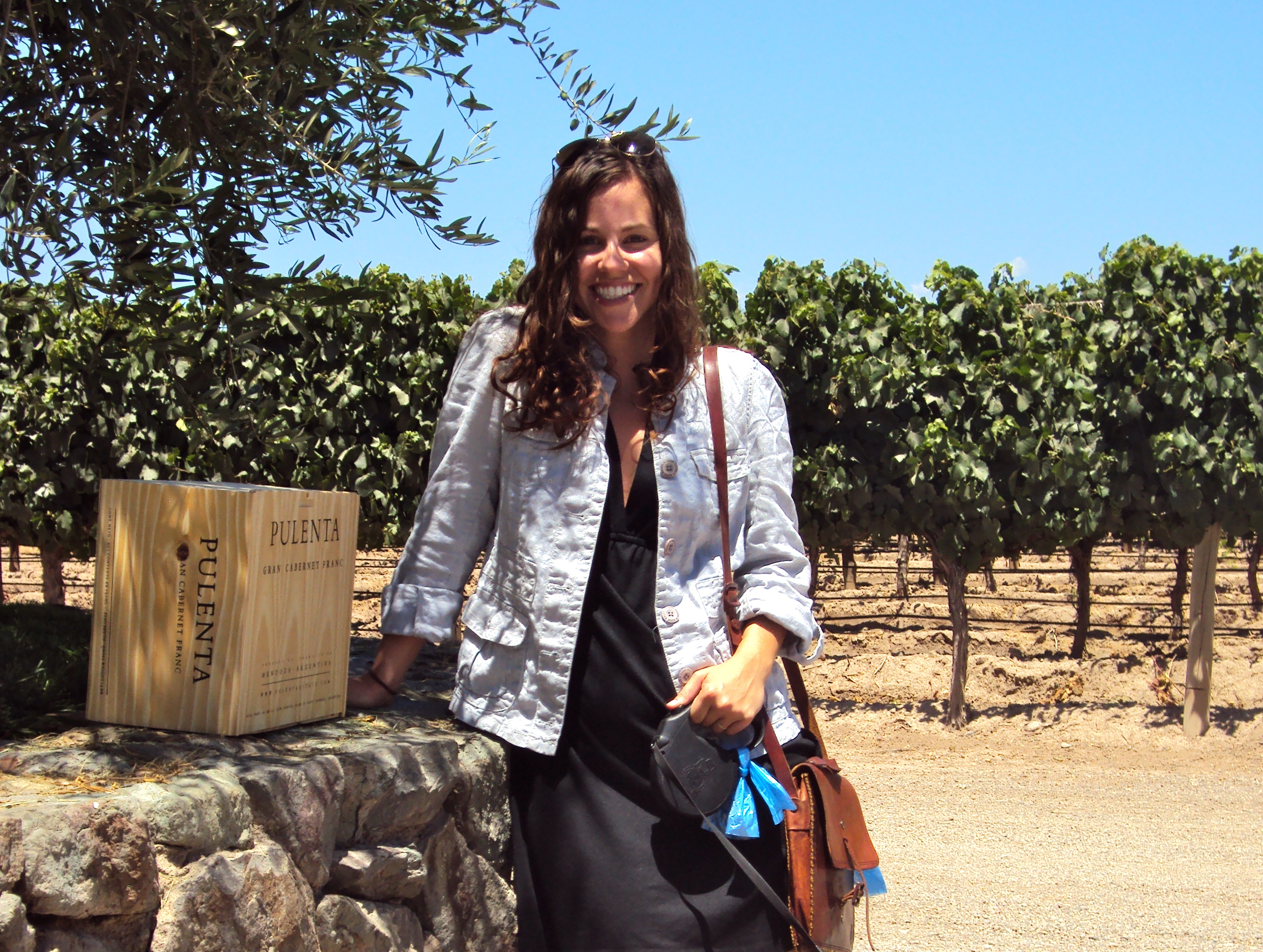
With our precious case of vino at Pulenta Estate winery in Mendoza.

With our precious case of vino at Pulenta Estate winery in Mendoza.

Malbec is typically Argentine wine’s claim to fame. But my favorite is a varietal I’d never even heard of before: Cabernet Franc. Although I’ve “tasted” (drank) a lot of wine over the years, I certainly wouldn’t consider myself a wine connoisseur or snob; I’m way too cheap for that. But I know enough that when I feel the need to remark on the deliciousness of every sip, it’s something special.

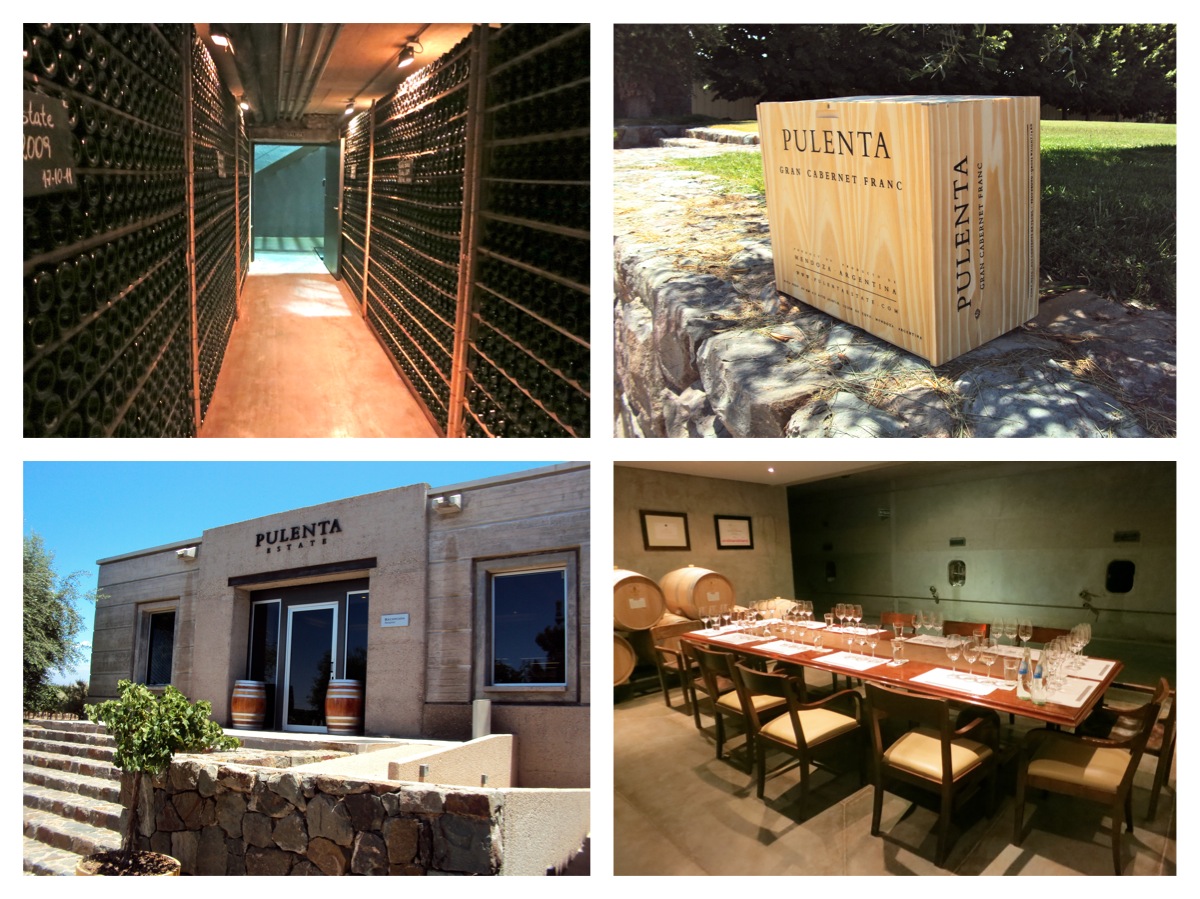
We discovered this red gem on a wine tasting tour in Mendoza last year, where one of the stops was Pulenta Estate. From the moment we were introduced to the Gran Cabernet Franc, both Gaspar and I were obsessed. So much so that we stopped by the winery on our way from Buenos Aires to the Chilean coast, just to pick up a case. What strikes you from the start is the fragrance of red pepper, which seems so odd but is actually really subtle and delicious. The taste is smooth, spicy and buttery. It’s a wine that demands to be savored.

Pulenta Estate Collage

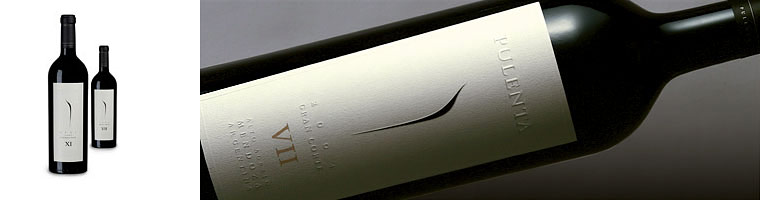
According to the tasting notes on Pulenta Estate’s website, “This wine offers a deep red-purple colour, with an intense aroma of red pepper, eucalyptus and spices. Once in the mouth, it is sweet and pleasant due to the presence of round, ripe and soft tannins. Its 12 month aging in new French oak barrels grants it an elegant and long finish.”

You know, if that means anything to you. My tasting notes simply read: delicious!

If you’re in Buenos Aires, you can order Pulenta Estate Gran Cabernet Franc 2009 from Grand Cru. In other cities/countries, check their website for locations/distributors. I’ve already emailed the USA distributors to determine how I can get my hands on some once we’re back! If you’re lucky enough to be traveling to Mendoza, definitely check it out in person, plunk down the cash for a case…and give it to me.

Photo from Pulenta Estate website.

Photo from Pulenta Estate website.

PULENTA ESTATE WINERY – Ruta Provincial 86. Km 6,5. Alto Agrelo. Luján de Cuyo. Mendoza. Argentina.

Learning to Cook Seafood in Chile (aka, A Cry for Help)

09 Wednesday Jan 2013

Posted by Anonymous in algarrobo, chile, tips & how to's, travel

≈ 2 Comments

Tags

algarrobo, barrio chino, chile, fish, food, grilling, grilling seafood, machas, pacific ocean, razor clams, santiago chile, seafood, shellfish, steaming seafood, the beach

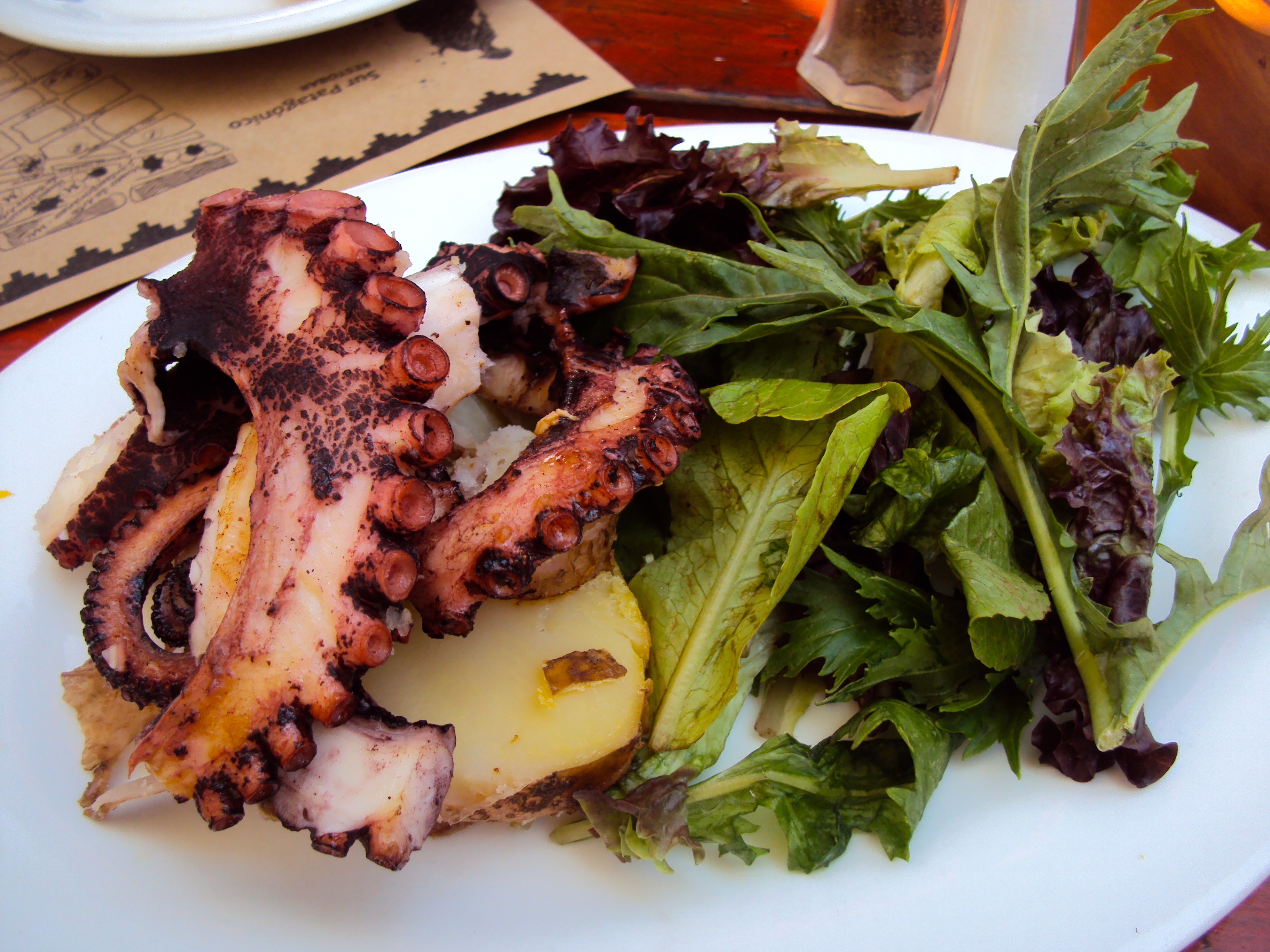
Pulpo a la Plancha

Pulpo a la Plancha from Sur Patagónico in Santiago, Chile

I’ve often lamented the lack of delicious, fresh seafood in Buenos Aires. Despite the city’s location on the Atlantic coast, seafood’s not always a common sight on restaurant menus. Sure, there are some gems like Crizia where you can find oysters and fish beyond merluza, but they’re not the norm…and certainly not always budget-friendly. And buying seafood to make at home can also be a challenge. The fish markets in Barrio Chino are affordable, but quite the hike from San Telmo. El Delfín is a great pescadería within walking distance, but paying $100 pesos for two servings of salmon is a tad too rich for my blood.

That is why we were freaking out over all the frutas del mar during our recent roadtrip to the coast of Chile. We spent some time in the beach town Algarrobo, overdosing on seafood. I’m happy to report that every single restaurant we entered had a robust selection, and the pescaderías were plentiful and affordable.

Pelicans outside the pescadería in Algarrobo

Pelicans outside the pescadería in Algarrobo

When we’re on the road, we try to cook for ourselves as much as possible to keep things healthier and cost-effective. The thing is, cooking seafood is not my specialty. So these were experiments, which I’m happy to report turned out quite well.

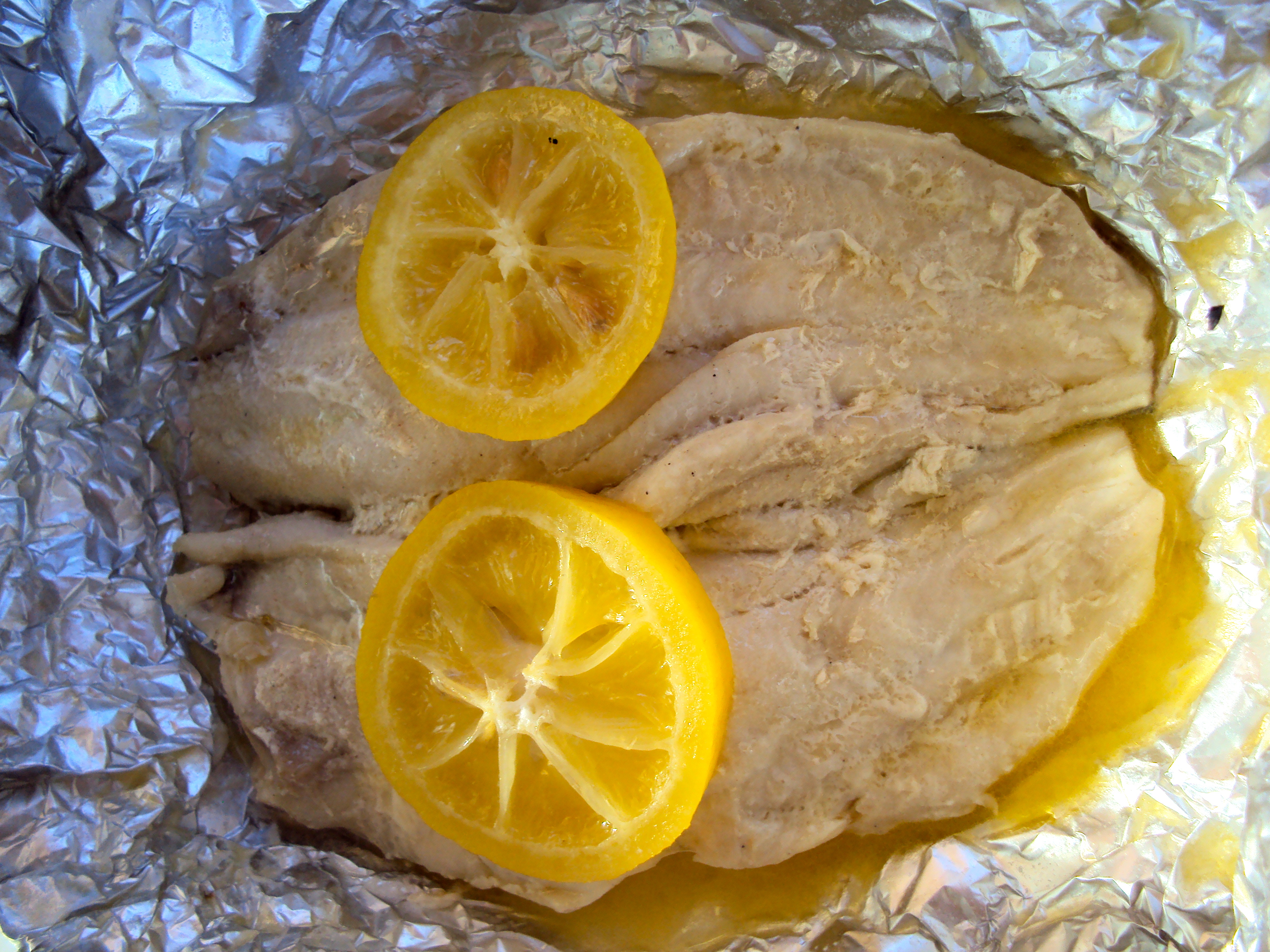
We cooked our fish fillets on the grill, wrapped in foil with butter and plenty of lemon slices. They were super quick and easy, and crazy flavorful. Win!

Fish Fillets on the Grill

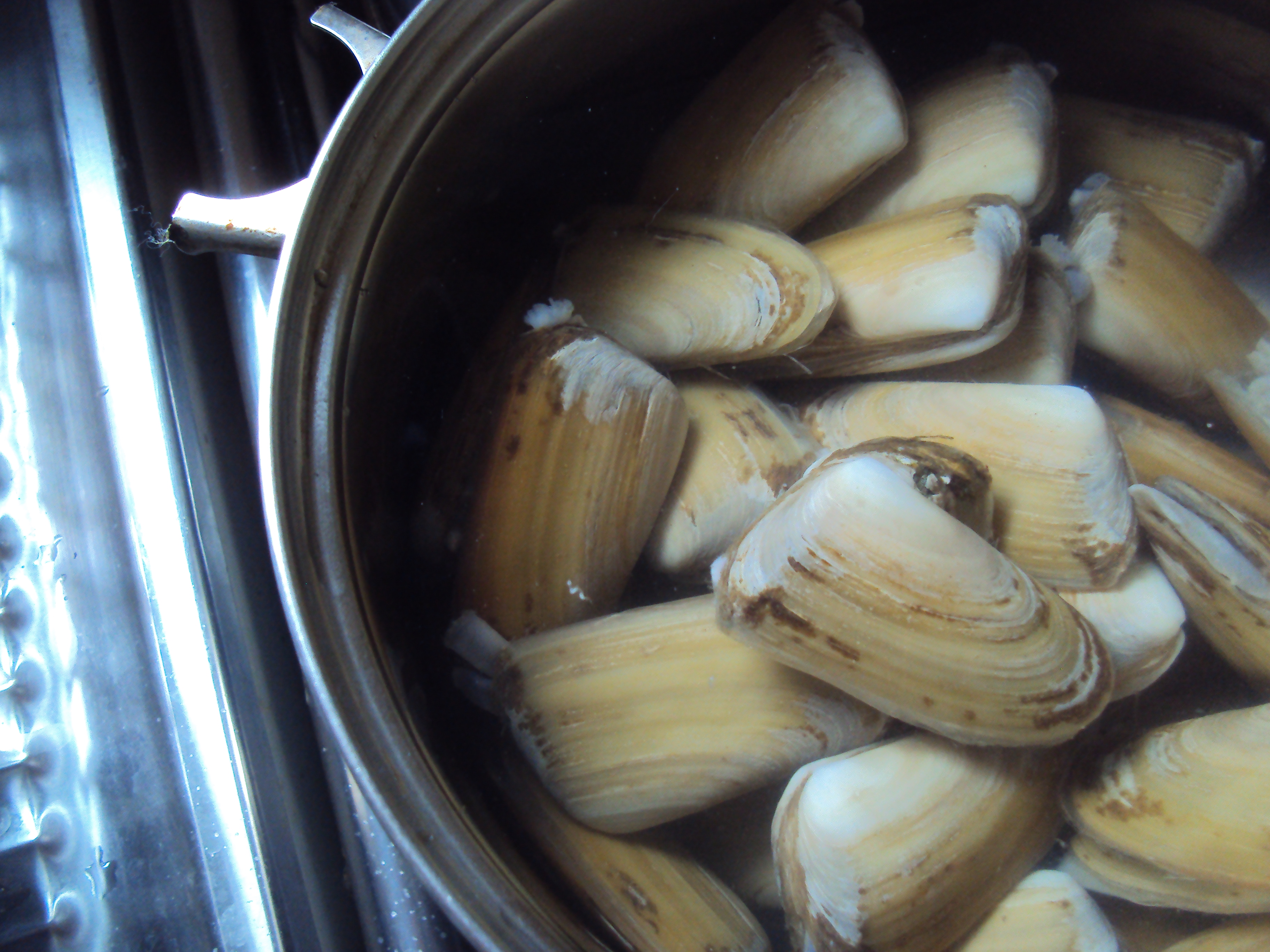
And then we got ambitious. We picked up some machas (razor clams), which we’d been spying everywhere and which made our little cabaña smell absolutely heinous for the rest of our stay. And of course, once we had them in our possession, we realized we had zero clue what to do with them. After searching the internet using the painfully slow and completely unreliable WiFi connection, there were conflicting reports. Some sites advised hours worth of scrubbing, rinsing, soaking and repeating. Some advised soaking in salted water, or water with cornmeal to draw out the sand. Still others advised that if shells were open, we should knock on them and if they don’t close, they’re bad. This was all way more labor and stress than I’d had planned for my vacation, thank you very much.

Machas - Razor Clams

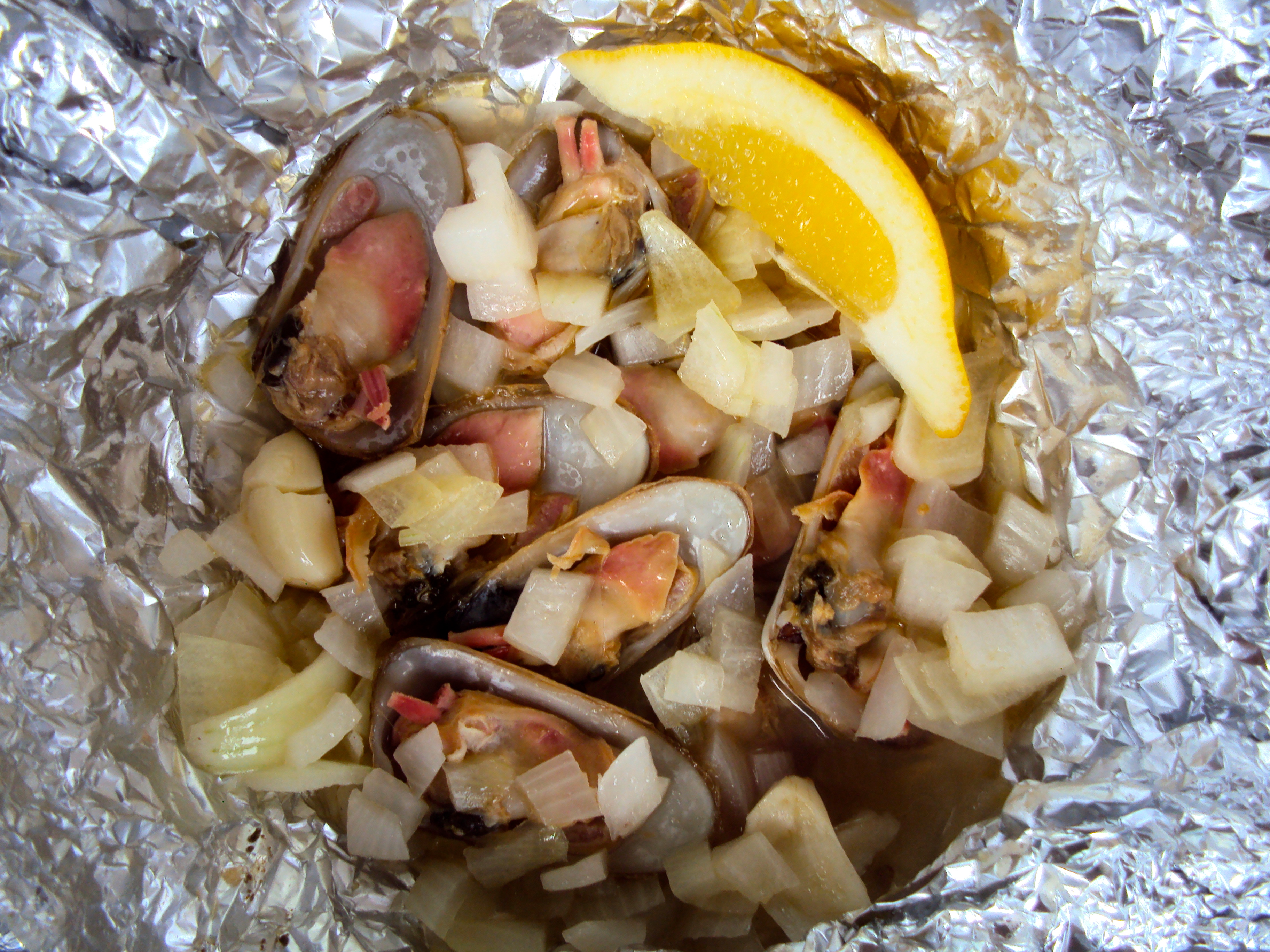
I ended up scrubbing them and soaking them for an hour or so in salt water before deciding to just crack them open and rinse them out by hand, dammit. I’m sure this is some sort of seafood cooking no-no, but I’m really glad I did it. The sand was completely embedded throughout those bad boys, and we would have been crunching our way through dinner. After a good rinse, I put the clams on their half shells in foil, with crushed garlic, chopped onion, some butter, and beer. We wrapped them up so there was space for steam, but made sure they were shut tight, and cooked them over the grill for about 5 – 10 minutes. The one thing I was sure of was that overcooking these suckers would have resulted in a rubbery chewy mess that would make me regret the hours spent on preparation. Luckily, the timing was perfect, and the machas were a success.

Razor Clams on the Halfshell

My ultimate takeaway is, razor clams are a bit more labor intensive than they may be worth. They were good, but the sauce really made the difference. The clams themselves, for all their stinking when raw, didn’t have a very powerful flavor. And all that preparation works up an appetite that won’t be satiated by those tiny pieces of clam-flesh. Still, it was worth the effort for the experience. The moral of the story is this: I need your tips, suggestions and recipes for cooking seafood on the grill or open flames if we’re going to survive three months on the road.

Dining Out in Buenos Aires: Useful Words & Phrases

07 Monday Jan 2013

Posted by Anonymous in argentina, buenos aires, etiquette, restaurants, tips & how to's, travel

≈ 3 Comments

Tags

Argentina, Buenos Aires, Buenos Aires restaurant, castellano, dining out, español, food, how to order at a restaurant, restaurants, Rioplatense Spanish, tourists, translation, travel, useful words and phrases

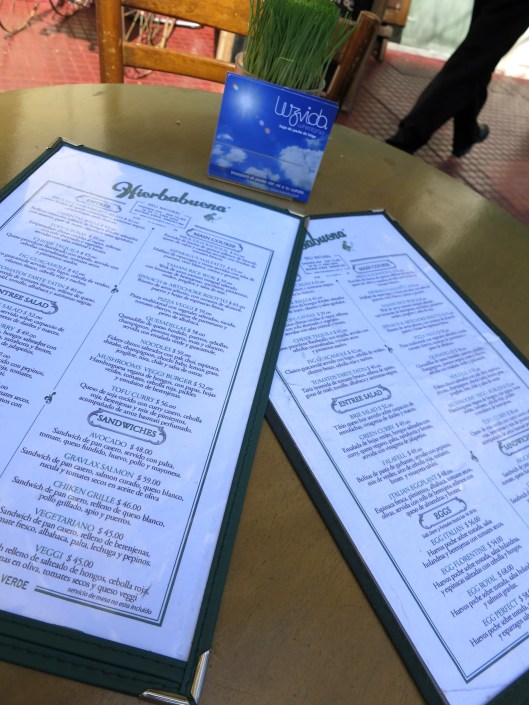
Menus at Hierbabuena

For longer than I care to admit, I had a debilitating fear of ordering for myself at restaurants in Buenos Aires. My self-consciousness about my Spanish was overwhelming, prompting me to overthink every potential interaction and required response to the point that by the time the server arrived at the table I was completely tongue-tied.

Thankfully, those days are behind me, but the memory of my self-consciousness prompted me to put together this list of helpful words and phrases for beginners, so you can dine out in Buenos Aires with confidence.

First, some background to prepare you for the experience.

  • Many restaurants close down in the late afternoon. They may be open for lunch from noon until 4pm, then re-open at 8pm for dinner. Yes, that’s right my North American friends, be prepared to eat later than you’re used to.
  • Tipping 10% is customary. Many restaurants will charge a “cubierto” service charge – this is not the tip! It’s basically the cost of getting a table at their restaurant, or maybe the basket of bread? I’ve never really been clear on that.
  • Service is generally slow, if not otherwise atrocious. Don’t take it personally, it’s not you. Just sit back, relax, and try to enjoy the wait for your menu, your drinks, your food, and the bill. Make sure you’ve got plenty of time.
  • Many restaurants and cafés do not accept credit cards.

If all you can remember is “Vino, por favor!” you’re good to go. But just in case, here are some other words and phrases that may come in handy. This is by no means exhaustive, but covers the basics to get food in your belly. And keep in mind that some of the terms may be specific to Argentina or Rioplatense Spanish.

USEFUL PHRASES FOR DINING OUT IN BUENOS AIRES

“Excuse me…” = “Perdón…”

“A table for two, please.” = “Una mesa para dos personas, por favor.”

“What do you recommend?” = “Qué aconsejás?”

“I’d like to order ____.” = “Te pido ___ por favor.” Literal translation is “I ask you for ____ please”, which I know sounds super awkward to us Yanks, but it is what it is.

“Can I order food to go?” = “Puedo pedir para llevar?”

“Can I take the leftovers?” = “Puedo llevar las sobras?” But don’t be surprised if they look at you like you’re crazy or don’t have anything to package it in. This is not a common practice.

“The bill, please.” = “La cuenta, por favor.”

“Are credit cards accepted?” = “Se aceptan tarjetas de crédito?”

Have no fear! Order with confidence.

USEFUL VOCABULARY WORDS FOR DINING OUT IN BUENOS AIRES

appetizers: entradas

beer: una cerveza, un chopp (draft beer), un porrón (bottled beer), un litro (large liter bottle of beer to share…or not, no judgement)

the bill: la cuenta

chicken: pollo, suprema (chicken breast)

coffee: café, café con leche (coffee with milk)

dessert: postre

entrée: plato principal

fish: pescado; the most common are merluza (hake), lenguado (sole), and salmón rosado or blanco (pink or white salmon)

fork: tenedor

ham: jamón, jamón cocido (cooked, sliced ham), jamón crudo (dry-cured ham)

ice: hielo

juice: jugo

knife: cuchillo

menu: la carta

ground pepper: pimienta negra molida

napkin: servilleta

pork: cerdo, bondiola (pork shoulder), chorizo (pork sausage)

potatoes: papas, papas fritas (fries) puré de papas (mashed potatoes)

rice: arroz

salad: ensalada

salt: sal

seafood: mariscos

server: mozo/a

silverware/cutlery: cubiertos

soda: gaseosa

soup: sopa

spoon: cuchara

steak / meat: carne (check out this post from Wander Argentina for a list of all the various cuts); to request meat cooked rare: vuelta y vuelta, medium rare: jugoso, medium: al punto, well done: bien cocido. Rest assured, it will arrive at the table more well done than you’d wanted.

sugar: azúcar

tea: té

vegetarian: vegetariano

water: agua con gas (sparkling water), agua sin gas (still bottled water)

wine: vino, vino tinto (red wine), vino blanco (white wine), una copa de vino (a glass of wine), una botella de vino (a bottle of wine)


Parillada Para Dos, Por Favor

28 Friday Dec 2012

Posted by Anonymous in argentina, buenos aires, restaurants, travel

≈ Comments Off on Parillada Para Dos, Por Favor

Tags

Argentina, blood sausage, Buenos Aires, Chapadmalal, chorizo, cold beers, dining al fresco, Mar del Plata, meat, morcilla, parrilla, Parrillada, Recoleta, restaurants, sweetbreads

Buenos Aires would be a tough town for a vegetarian.

I’ve encountered meat treats that I never knew existed, and many that I try not to think about too hard as I’m savoring (hello, morcilla). There’s no shortage of protein options, and for better or worse no…part, shall we say?…goes to waste.

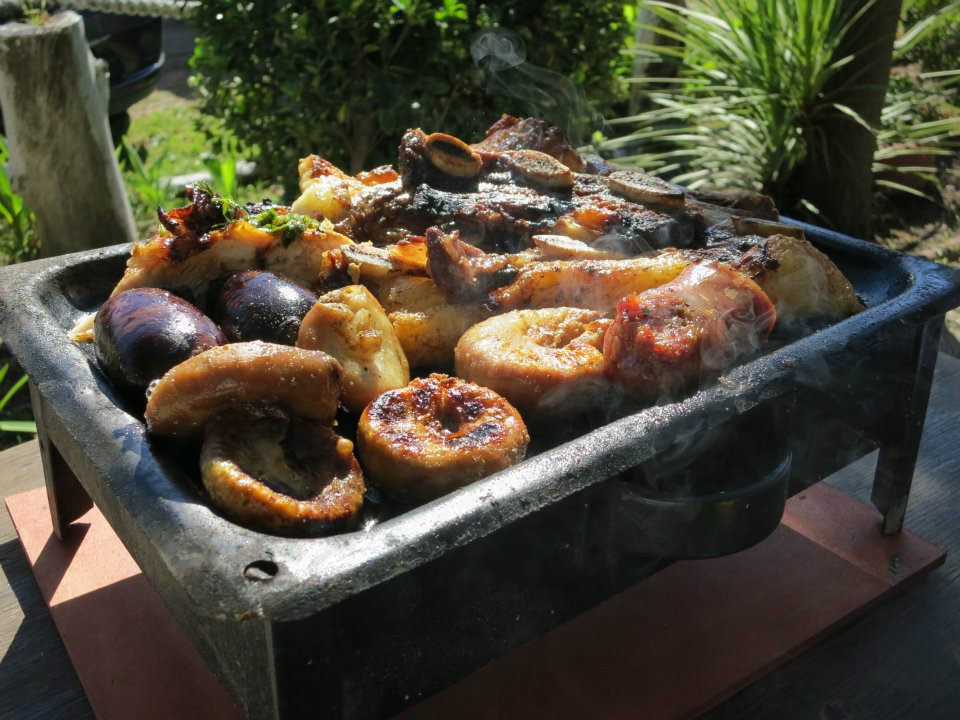
One of my favorite meals, and a must for anyone traveling here, is ordering some version of parillada para dos: literally, grill for two (or four, or six, etc). A small charcoal grill is brought to your table sizzling with mouth-watering smells and piled with succulent cuts of beef, pork, chicken, chorizo, morcilla (blood sausage), riñon (kidneys) and sweetbreads.

My favorite spot in the Capital to spend an afternoon digging into a mountain of carne is in Recoleta, at any of the parrillas on Junín along the walls of El Cementerio de la Recoleta. An odd preference, perhaps, but I had my first parrillada experience at Clark’s so I’ve got a soft spot for it. I also always look forward to hitting Tata Juancho along Ruta 11 between Mar del Plata and Chapadmalal. During weekend trips to the beach we religiously stop here to enjoy some cold beers, sizzling grilled meat, and perfectly crisped fries outside at one of their picnic tables, with Judah successfully scouring the premises for discarded scraps and being treated to her own chunks of meat fresh off the grill from the dog-loving grillmasters.

While the cuts of meat can vary in quality and appeal, for me, the beauty of the parrillada is the experience. Give it a try and let me know what you think.

TATA JUANCHO – Ruta 11 km 7,5 south of Mar del Plata

CLARK’S – Junín 1777 in Recoleta

Choripan: My Favorite Street Meat

17 Monday Dec 2012

Posted by Anonymous in buenos aires, restaurants, travel

≈ 2 Comments

Tags

Buenos Aires, buenos aires street food, choripan, chorizo, dirty old men, El Rey del Chori, Feria de San Telmo, San Telmo, San Telmo restaurants, street meat

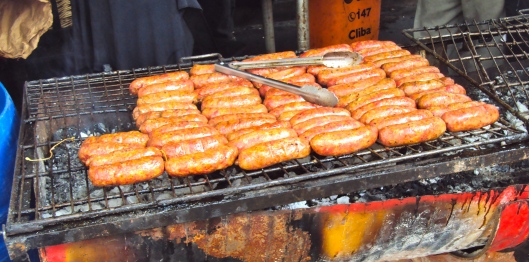
Chorizos on the Parrilla

In the street meat hierarchy, hot dogs ain’t got nothin’ on choris.

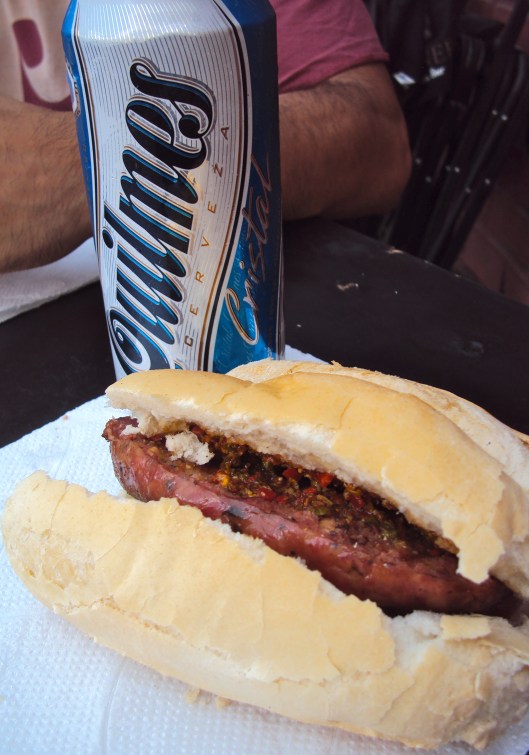
Choripan & Quilmes

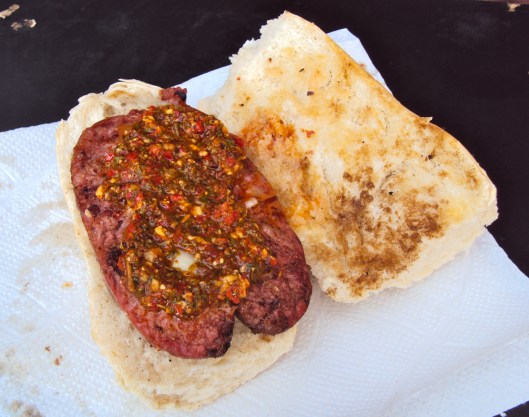
One of the first places Gaspar took me when I joined him in Buenos Aires was a tiny hole in the wall on Carlos Calvo between Defensa and Bolivar. The walls were plastered with aging photos and notes from satisfied celebrity and average-joe customers, and the place was full of old men with mullets, missing teeth, wandering eyes and dirty piropos. Perhaps not every woman would appreciate such a charming treat. But the smell of garlicky delicious chorizo sausages sizzling on the parrilla is enough to make anyone go a little loco. The chorizo was butterflied, served up on hunks of crusty bread and slathered with chimichurri. Throw in a litro of cerveza, and it was the date of my dreams.

At the risk of stating the obvious, chorizo + pan = choripan, a popular pork sausage sandwich. This chorizo shouldn’t be confused with its spicy Spanish counterpart. Argentine chorizo, like most local food, is far from spicy. Instead it is flavored with garlic and pimentón (Spanish paprika).

Butterflied Chorizo with Chimichurri

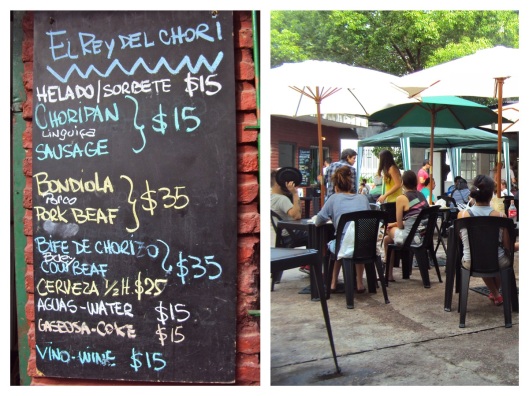
We indulge in this local drunk food regularly, rarely bothering with the drunkenness excuse because we are not ashamed to love it sober. During the Feria de San Telmo, the popular street fair on Defensa featuring block after block of antiques and wares from local artisans, several parking lots are converted into choripan-pushing parrillas. El Rey del Chori is one of my favorites. In addition to choripan, most any chori vendor also offers bondiola (a hunk of pork served on a roll) or vacíopan (a hunk of steak served on a roll), both of which are also quite good.

El Rey del ChoriIf you’re looking to try out choripan in San Telmo, these are my favorite spots. Just don’t say I didn’t warn you about the potential creepiness of my favorite hole-in-the-wall on Carlos Calvo, mmkay? You may or may not find yourself being smothered in kisses by an intoxicated elderly gentleman sporting a rat tail.

NAMELESS HOLE-IN-THE-WALL – Carlos Calvo between Defensa and Bolivar

EL REY DEL CHORI – Sundays on the corner of Defensa and México

← Older posts
Newer posts →

Enter your email address to subscribe to this blog and receive notifications of new posts by email.

Join 118 other subscribers

One Day Cafe on Facebook

One Day Cafe on Facebook

algarrobo antofagasta appetizers and sides argentina brazil breakfast and brunch buenos aires chile desserts drinks ecuador entrees etiquette food trends france lima los órganos mendoza north carolina peru pittsburgh recipes restaurants san pedro de atacama tips & how to's travel Uncategorized uruguay

katrina’s twitter feed

Tweets by katrinacabrera

Blogroll

  • David Lebovitz
  • Gringo in Buenos Aires
  • Homesick Texan
  • Kelly Poindexter – Pastelera
  • La Panza Porteña
  • My Beautiful Air
  • NOLAchef
  • Pick Up the Fork
  • San Telmo Loft
  • Smitten Kitchen

On Bloglovin’? Follow Me Here!

Follow on Bloglovin

Blog at WordPress.com.

  • Subscribe Subscribed
    • One Day Café
    • Join 118 other subscribers
    • Already have a WordPress.com account? Log in now.
    • One Day Café
    • Subscribe Subscribed
    • Sign up
    • Log in
    • Report this content
    • View site in Reader
    • Manage subscriptions
    • Collapse this bar
 

Loading Comments...