Recipe: Simple Apple Tart

Tags

, , ,

Now that winter is approaching in Buenos Aires, I’m feeling rather confused. While I’m much more of a summer fan, I’ve still always enjoyed fall and (early) winter. Not too unbearably cold yet, the air is crisp with the smell of fallen leaves, and everyone’s feeling all celebratory and familial in preparation for Thanksgiving and Christmas…

Except it’s June. So really, it’s not like that at all.

In my confused little mind, early June is a time for rhubarb pie and cherry cobbler. But the markets are overflowing with apples and pears. And while according to the climate I should be baking pumpkin rolls, I just refuse to do that in June. Of course there’s also the fact that finding pumpkin here is about as easy as buying dollars...but I digress.

Life is giving me apples? I’ll make an apple tart.
I have to give credit to Gaspar for bringing this recipe into the rotation. I suspect he was on a mission to find something even remotely healthy for me to bake, and the fruit to pastry ratio in this tart suited his needs. He sent me the recipe, I made it, it filled the apartment with an absolutely heavenly smell, and we ate it all that night.

That’ll teach him.

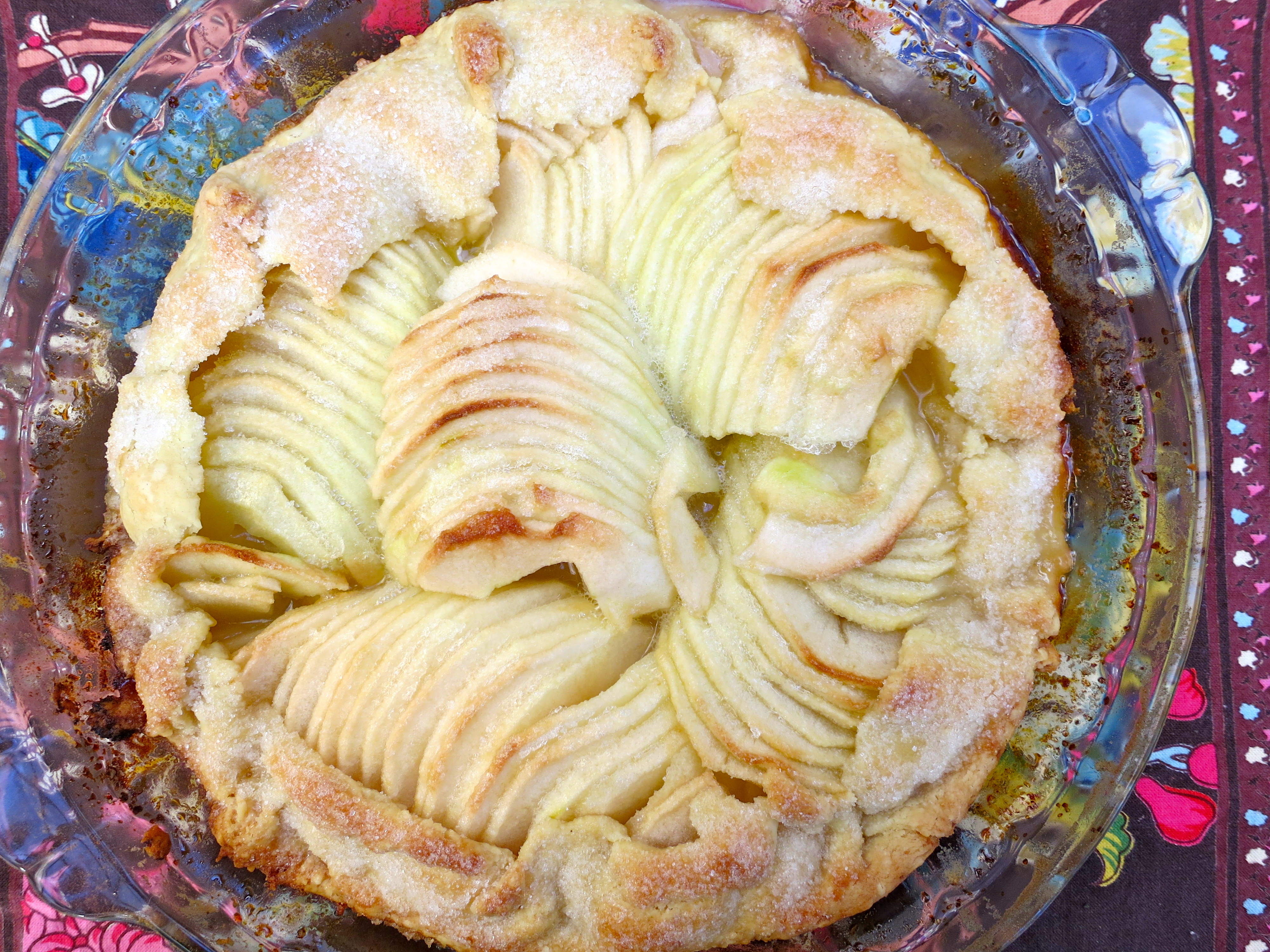
I’ve made it a few times since, and think it’d also be excellent with pears. (I’ll report back). This can be made in a pie pan, or free form as a galette. I kind of combine the two, because I like the look of the galette but find that using a pie pan keeps all the delicious juices from oozing out, and it’s much easier to transport if you’re not eating it at home.

This recipe is adapted from the one Gaspar found on Smitten Kitchen.
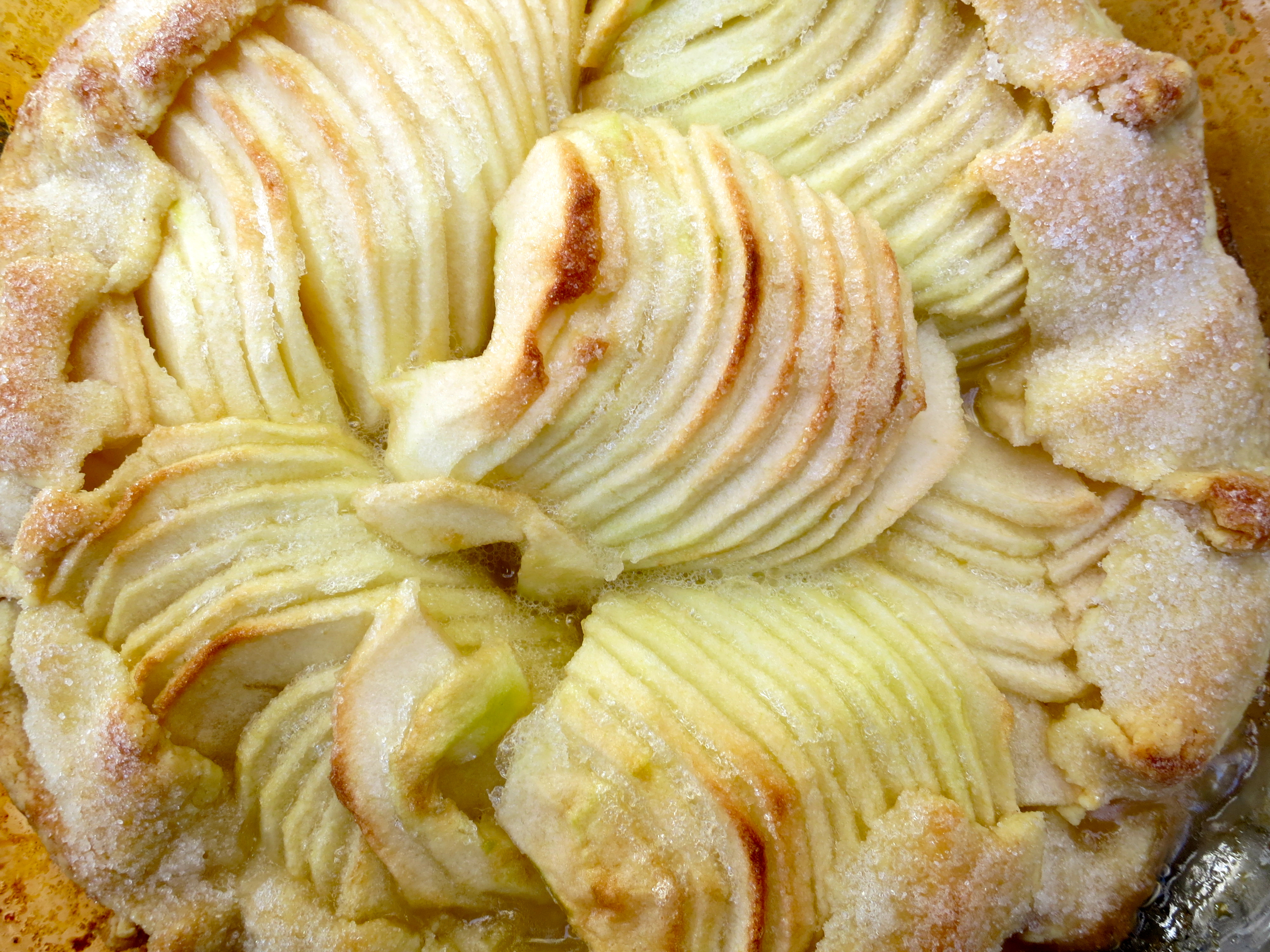
SIMPLE APPLE TART

Dough:

1 cup flour

1/2 tsp sugar

1/8 tsp salt

6 Tablespoons unsalted butter, just softened, cut into 1/2 inch pieces

2 1/2 Tablespoons chilled water

Filling:

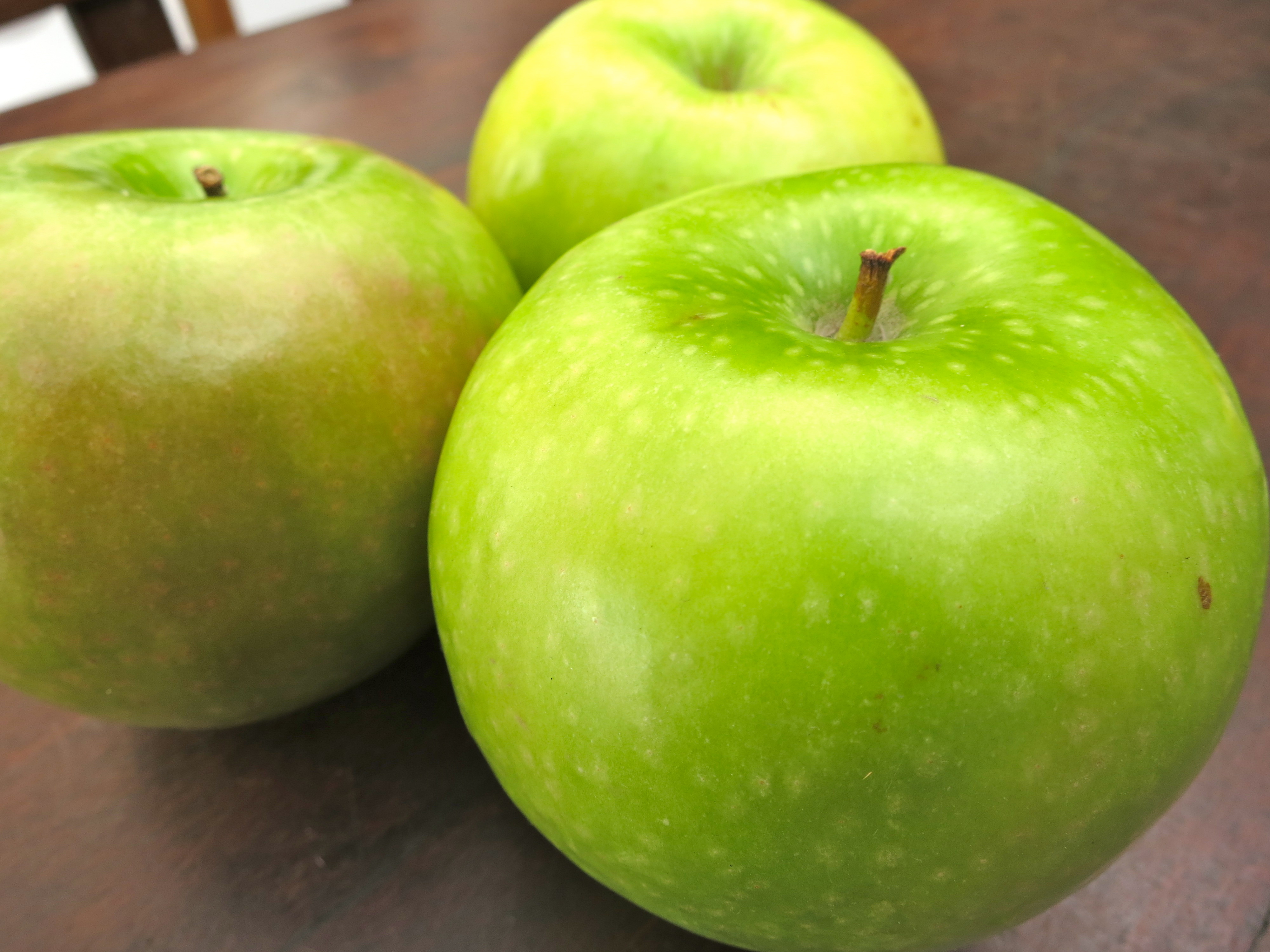
4 Golden Delicious apples, peeled, cored and sliced. Save the peels and cores.

2 Tablespoons melted butter

4 Tablespoons sugar

Glaze:

Apple peels and cores

1 cup sugar

Mix flour, sugar, and salt in a large bowl. Add 2 tablespoons of the butter. Blend with a fork until dough resembles coarse cornmeal. Add remaining butter and continue to blend with a fork until the biggest pieces look like large peas. Dribble in some of the water, stir, then dribble in more, until dough just holds together. Toss with hands, letting it fall through fingers, until it’s ropy with some dry patches. If dry patches predominate, add another tablespoon water. Keep tossing until you can roll dough into a ball. Flatten into a 4-inch-thick disk and refrigerate.

After at least 30 minutes, remove and let soften so it’s malleable but still cold. Smooth cracks at edges. On a lightly floured surface, roll into a 14-inch circle about 1/8 inch thick. Place dough in a lightly greased 9-inch round tart pan, or simply on a parchment-lined baking sheet if you wish to go free-form, or galette-style with it. Heat oven to 400°F.

Overlap apples on dough in a ring 2 inches from edge if going galette-style, or up to the sides if using the tart pan. Continue inward until you reach the center. Fold any dough hanging over pan back onto itself. Brush melted butter over apples and onto dough edge. Sprinkle sugar over apples and dough edge.

Bake in center of oven until apples are soft, with browned edges, and crust has caramelized to a dark golden brown (about 45 minutes), making sure to rotate tart every 15 minutes. (This may or may not be necessary in your oven…it definitely is in mine).

To make the glaze, put the reserved peels and cores in a large saucepan, along with sugar. Pour in just enough water to cover and simmer, stirring occasionally so that sugar doesn’t burn, until syrup forms. This could take anywhere from 25 to 45 minutes, depending on your stovetop. The original recipe said 25, for me it’s 45.

Remove tart from oven and set on wire rack to cool. If free-form, slide off parchment paper and set directly onto cooling rack. Let cool at least 15 minutes.

Brush glaze over tart, slice, and serve.
Recipe: Chorizo Empanadas

Tags

, , ,

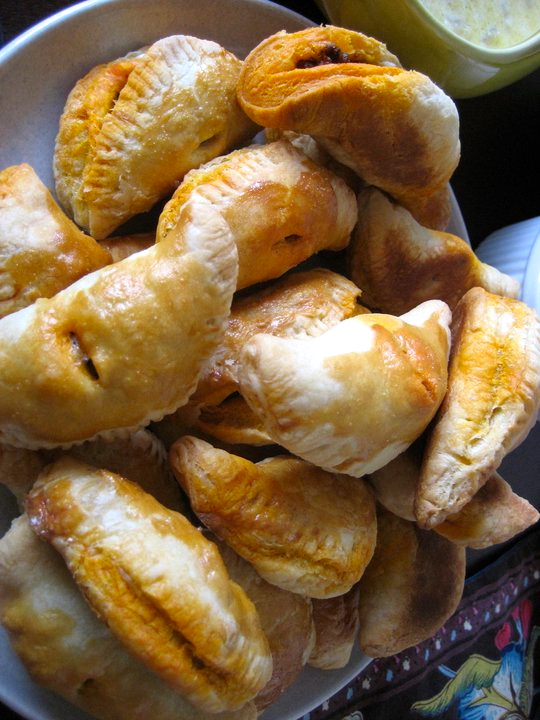
Empanadas are everywhere in Argentina. In Buenos Aires, not a block goes by where you can’t pick up this fast food, and many people make them at home as well. Common fillings including ground beef, chicken, ham and cheese, and tomato and mozzarella.

Empanadas differ all over the country, and most would agree that you can find the best empanadas in the northern provinces like Salta and Tucuman. I concur, and add Mendoza to the list as well. For me, the pastry makes a lot of difference, and I prefer an empanada encased in a crisp, flakey crust.

I became a fan of chorizo empanadas before we moved to Buenos Aires, and haven’t seen a chorizo version here. If you’re noticing a theme, yes, I’m a big fan of chorizo. These don’t take long at all to put together, and do well as part of a tapas style meal. In the States, I made them using ready-made puff pastry and would buy raw Spanish chorizo from Whole Foods. Here in Argentina, I’ll use store-bought empanada pastry and hard chorizo sausages.

This version’s adapted from a cookbook I picked up at World Market called “Spanish: a collection of over 100 essential recipes.”

CHORIZO EMPANADILLAS

4 1/2 oz chorizo sausage

flour, for dusting

9 oz ready-made puff pastry, thawed if frozen

beaten egg, to glaze

paprika, to garnish

If you’re using raw chorizo sausages, remove the casings and cook the sausage. If you’re using hard, cut the sausage into small dice. On a lightly floured surface, thinly roll out the puff pastry, if using. Cut into circles using a round 3 1/4 inch cookie cutter. Gently pile the trimmings together, roll out again, then cut out additional circles to produce 12 in total. Put a spoonful of the chopped chorizo onto each of the pastry circles. Dampen the edges with a little water, then fold one half over the other half to completely cover the chorizo. Seal the edges together with your fingers. Using the prongs of a fork, press against the edges to give a decorative finish and seal them further. With the tip of a sharp knife, make a small slit in the side of each pastry. Place the pastries onto baking sheets and brush each with a little beaten egg to glaze. Bake at 400 degrees for 10 – 15 minutes, or until golden brown and puffed. Dust the top of each pastry with a little paprika to garnish. Best served warm.

Buenos Aires Underground Market

Tags

, , ,

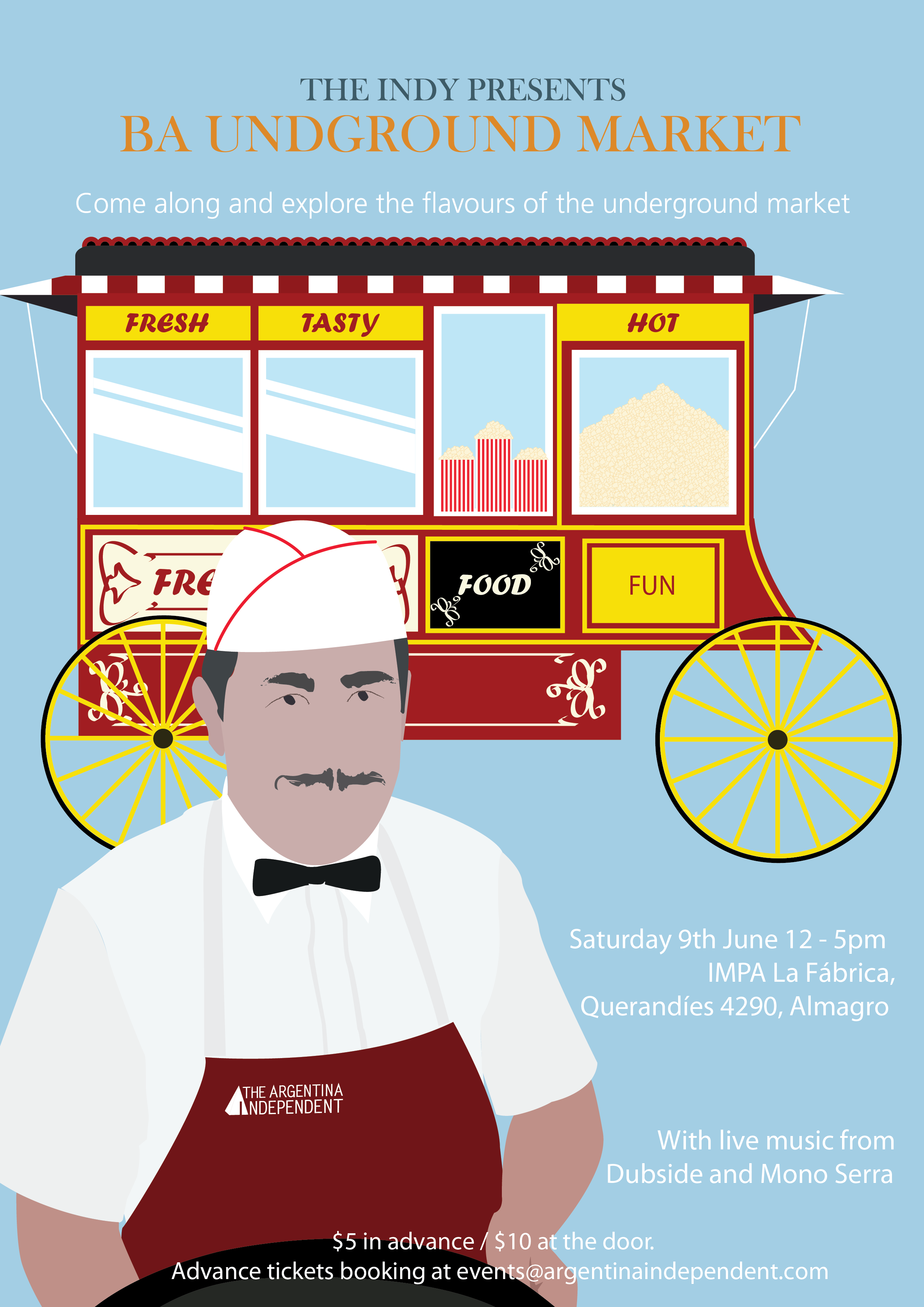
Since our arrival in Buenos Aires last year, I’ve been a fan of The Argentina Independent due in large part to the fact that Adrian Bono’s Weekly News Roundup slays me. And because it’s in English, for quite a while it was my sole source of local news as it took me hours to decipher articles in castellano. In any case, those reasons aside I’m super grateful I found The Indy, because thanks to them I’m officially a vendor at the first ever Buenos Aires Underground Market! The Indy is organizing the event as both a fundraiser and a way for aspiring chefs, restauranteurs and artisanal culinary types to gain exposure to a large audience. The event is Saturday, June 9 at IMPA La Fábrica in Almagro. You can RSVP and get all the details on Facebook.

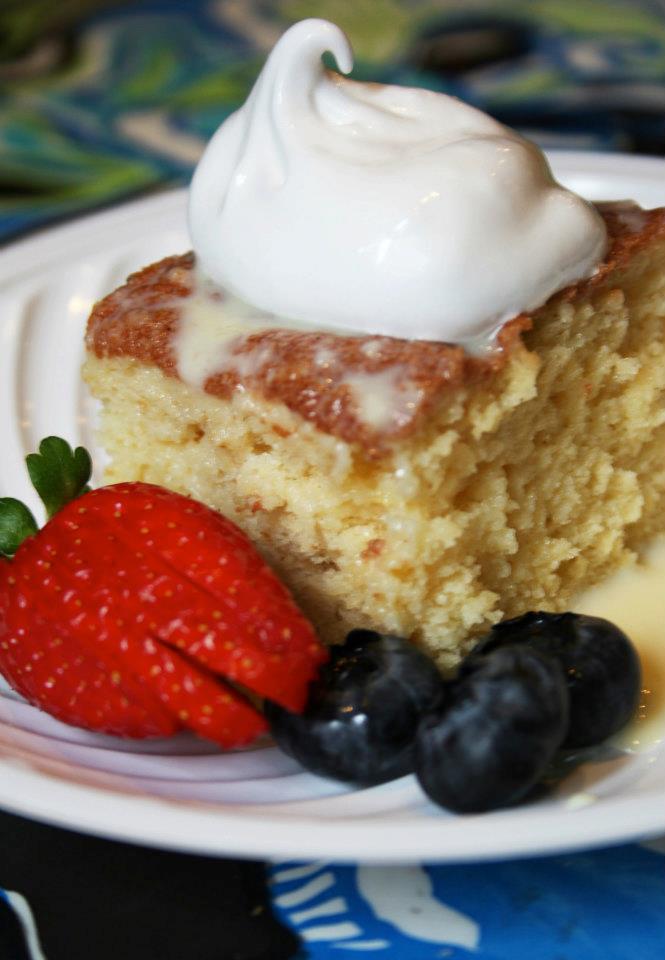
As soon as I heard about the Underground Market, I knew I was going to apply to be a vendor and exactly what I would be creating: Tres Leches.

Thanks to Lili Kocsis from My Amused Bouche for capturing this picture at the pre-tasting event.

For those who may not be familiar with it, Tres Leches is a cake of Latin American origins, though it doesn’t seem to have made its way very deep into South America. There are different variations, but it’s typically a sponge cake soaked in three types of milk; hence the name that even gringos can translate.

As much as I want to urge you to rush out and try it immediately, full disclosure: I’d never really cared for it much until this recipe came along. I’d tried a few different tres leches cakes, usually at Central American restaurants at the insistence of my father-in-law, who loves it. But I was unimpressed. It’s often too soggy, and the versions I tried were either cloyingly sweet or surprisingly bland. But a few years ago, Gaspar and I were spending Thanksgiving with his family and their friends in New Jersey. One of the guests baked a tres leches cake especially for my father-in-law, and I half-heartedly accepted a slice.

I died.

It was super moist yet somehow light, just sweet enough, had the perfect hint of vanilla and the topping practically floated on top. This was like no Tres Leches I’d ever pushed around my plate before. I had approximately three pieces (and perhaps a bit of wine) before not so tactfully demanding the recipe. I’ve closely guarded it ever since, though I’ve also made some modifications to suit my preferences and the availability of different ingredients.

But let the record show: Nubia Martinez, I bow down to your original Nicaraguan Tres Leches cake.

If you care to try it, get yourself to the Buenos Aires Underground Market on June 9 where you can also sample amazing breads, pickles, marmalades, cheeses and more. If that’s a transcontinental flight away, I may consider sharing the recipe in exchange for a pile of small, unmarked bills…or some advice on how to prepare hundreds of servings of tres leches cake in a small kitchen.

DIY: Vanilla Extract

Tags

,

A few years back, I read a piece in Food & Wine about making your own vanilla extract and knew I had to give it a try. Why would someone want to do this?

  1. Real vanilla extract is expensive.
  2. It’s very self-satisfying and gives you an (admittedly modest) feeling of accomplishment.
  3. You can drink the leftover liquor.

If you’re not convinced by at least one of the above, we’ll most likely never be friends.

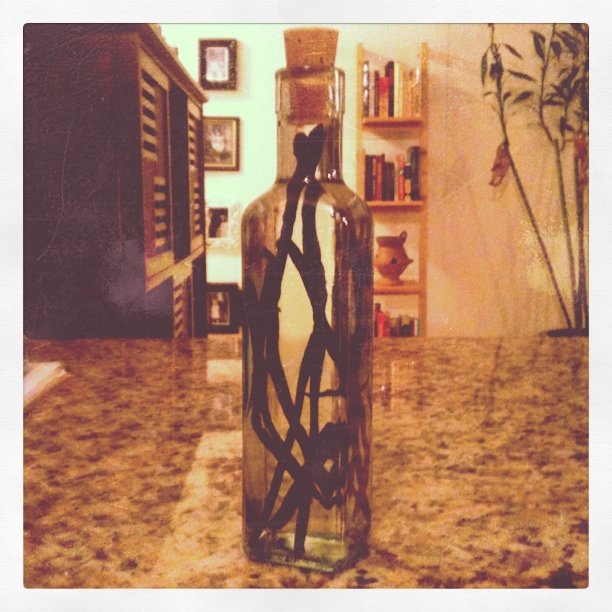
This is so, so easy. Buy some whole vanilla beans. I’ve found 5 – 10 works best, depending on the size of your bottle. Put them in a clean glass bottle and cover with vodka or light rum. Cork the bottle and put it in a cool, dark place. Five to six weeks later, you have beautiful, fragrant vanilla extract.

If you’re not sure where to find these things, I got all my supplies at World Market (a.k.a. the most glorious store EVER) when I was living in Chicago. Now that I live in the Land of Restricted Imports, I must bide my time until vanilla beans make a magical, temporary and most likely grossly overpriced appearance in a dietetica nearby. (Sidenote: If anyone in Buenos Aires knows where I can find whole vanilla beans, let a girl know! Barrio Chino and Tigre have failed me.)

UPDATE: Vanilla beans (vainilla en chaucha or ramas de vainilla, depending on who you ask) have been found in Buenos Aires! Check the puesto selling spices at Mercado San Telmo, he was selling them for $14 ARS each. Not bad at all.

Anyhow, I’d post a picture of the final product, but somehow didn’t think to document it in all its glory before we had to part ways. When packing one’s life for a move to another hemisphere, a bottle of vanilla extract doesn’t make the cut, even for me. But trust me when I tell you it was a thing of delicious-smelling (and tasting) beauty.

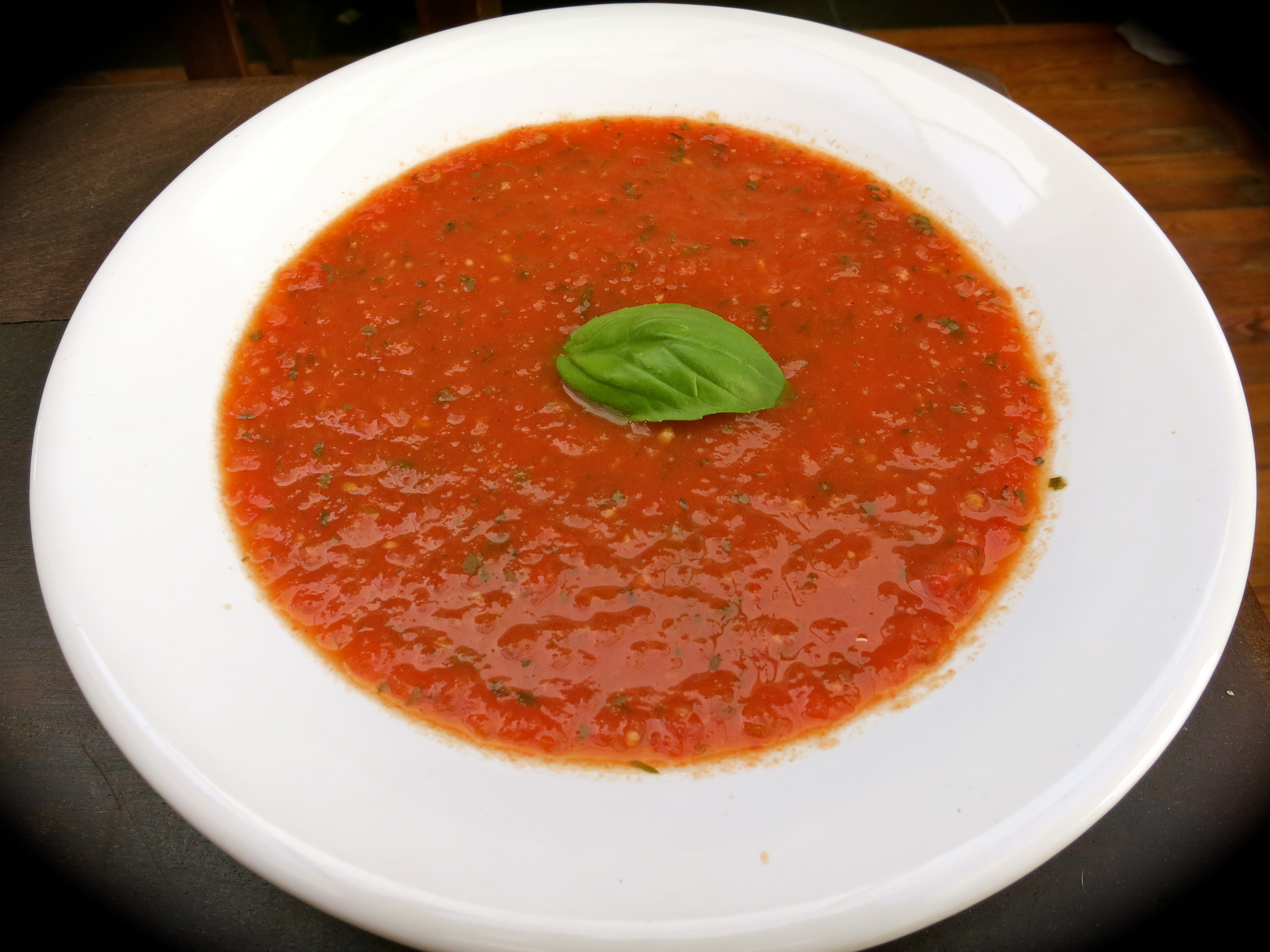
Recipe: Roasted Tomato Basil Soup

Tags

, , , ,

Fall has arrived in Buenos Aires, and while it’s certainly mild by my northeastern USA standards, there’s a definite chill in the air. Which means I’m spending a lot more time in the kitchen, now that I can cook without turning the entire apartment into an oven.

I love making soup when the weather gets cold; it’s easy, makes the apartment smell delicious and we have leftovers for days. Of course by the third day, I’m annoyed that I’ve been eating the same soup for lunch and dinner. Depressingly, I was recently told by a taxi driver who was appalled that I’ve never had an affair (or as they call them here, aventuras, which literally means “adventures”) that there’s a saying in Argentina amongst married people in regards to their spouses: otra vez, sopa. Soup, again. According to this charming taxista, no matter how good-looking or how good at (ahem) extracurricular activities you may be, your spouse will eventually look at you and think, “otra vez, sopa.”

And yes, this is apparently a normal and accepted topic conversation between a cab driver and his passenger. God Bless Argentina.

On that uplifting note, on to the recipe! The good thing about making tomato soup is there are so many ways to riff on the original batch, you really can’t get tired of it quickly. Stir in some goat cheese or cream, make it with grilled cheese on the side, add some pasta…the possibilities are endless.

Although I’ll never turn up my nose at good ol’ Campbell’s, I love making this robust roasted tomato version from scratch with plenty of fresh basil. For a spicy kick, I add crushed red pepper.

ROASTED TOMATO BASIL SOUP

1 1/2 pounds plum or Roma tomatoes

2 T. olive oil plus 1 1/2 tsp for later

one large yellow onion, chopped

4 cloves garlic, minced

1 cup fresh basil

1 quart chicken stock (you can use vegetable stock to make this vegetarian)

14 oz. canned plum tomatoes in juice

1 tsp salt

1/2 tsp fresh thyme

1/2 tsp crushed red pepper

1/4 tsp ground black pepper

1 1/2 tsp canola oil

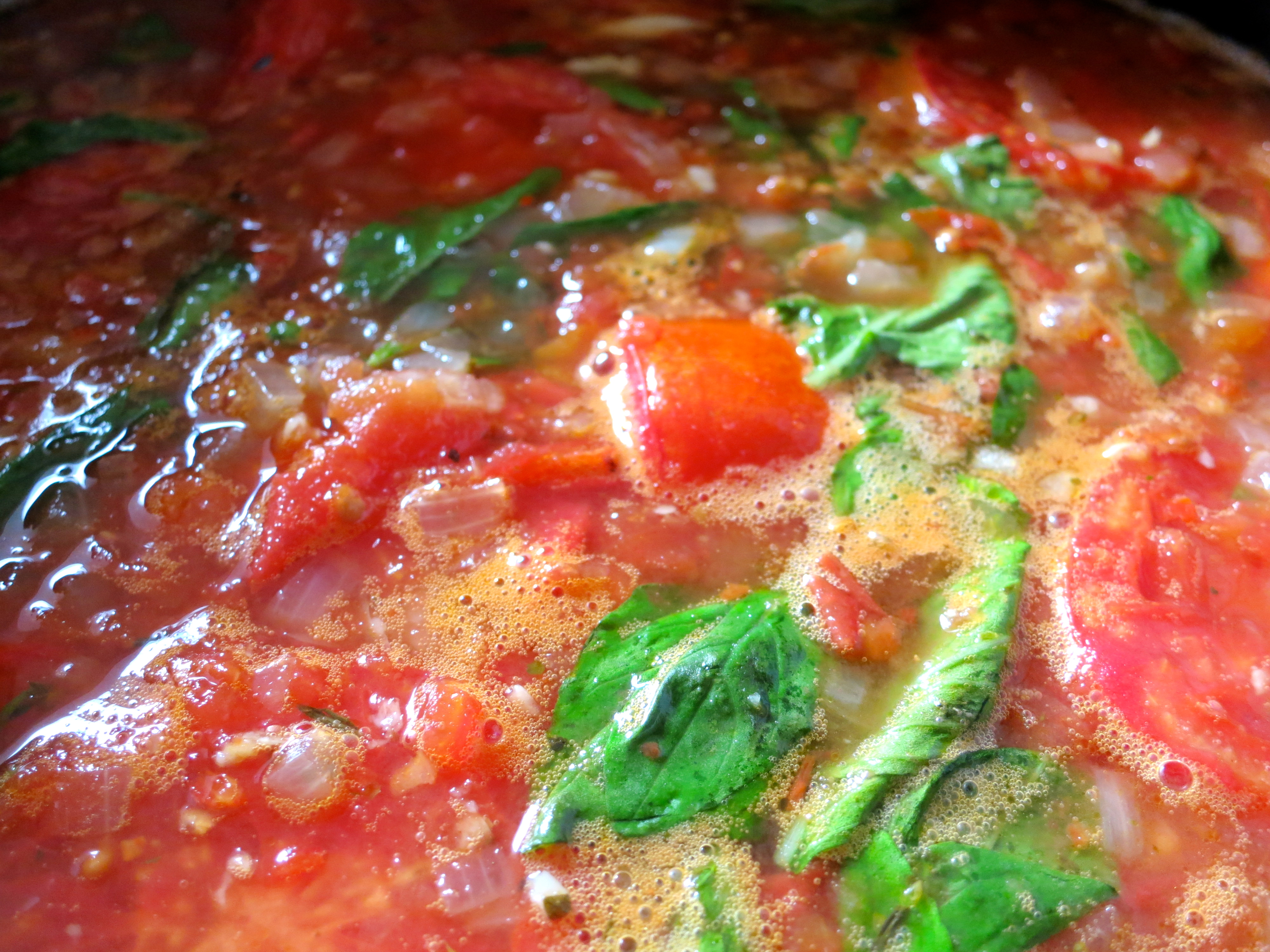
Preheat oven to 275 degrees F. Mix tomatoes, pepper and salt. Drizzle with 2 tablespoons canola oil and toss gently to coat, then spread on baking sheet and bake for 45 minutes. Saute onions and garlic with remaining 1 1/2 tsp canola oil and red pepper in large pot on medium-low heat for 15 minutes or until onions brown. Add canned tomatoes, stock, basil and thyme to the same pot, then pour in baked tomatoes with liquid from baking sheet. Bring to a boil and simmer uncovered for 40 minutes. Blend in a blender or food processor, in batches if necessary, until only slightly chunky. Can be served hot or cold.

Cook at Home & Live Forever!

Tags

,

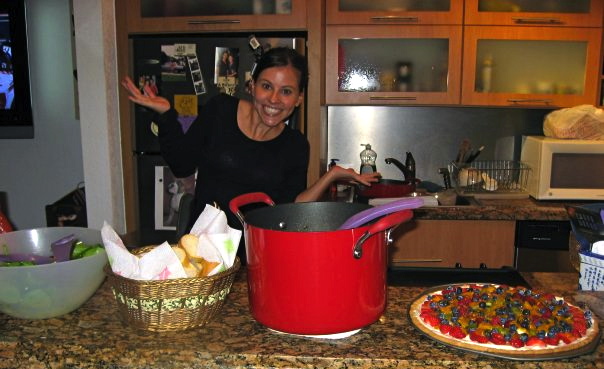
Look at how much fun this is!

Good news for those of us who like to make messes in the kitchen on a regular basis: a new study published in a Cambridge University journal found that people who cook up to five times a week are 47 percent more likely to still be alive after 47 years.

According to an article on Huffington Post, the study was based on a group of 1,888 men and women over the age of 65. Each participant was interviewed about a variety of lifestyle factors, including cooking habits. Ten years later, the researchers followed up to see how many of the participants had died, and they matched lifestyle answers to the 1,193 participants who remained alive. Frequent cooking was linked to survival, as was grocery shopping, taking public transportation, not smoking, and being a woman. So basically, I’m all set.

We all know by now that fast food is bad for us, pre-packaged foods are filled with sodium, and dining out on the regular is expensive. So do I believe this news will actually change anyone’s habits if they think cooking at home’s too much of a pain in the ass? Nope. Do I feel some level of obnoxious self-satisfaction upon reading this news? Indeed.

I choose to believe in the results of this study, just as I choose to only believe studies about the health benefits of drinking red wine. The ones that say it’s bad for you? Totally unreliable.

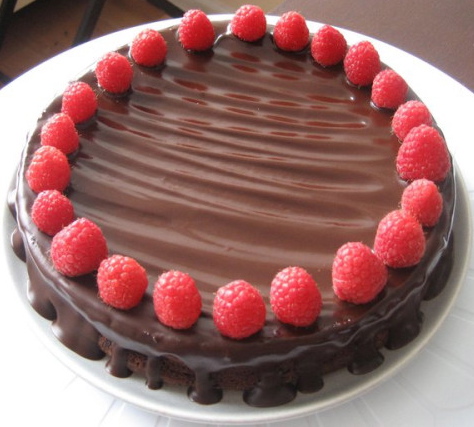
Recipe: Flourless Chocolate Cake

Tags

, , , ,

I’d long heard great things about flourless chocolate cake but somehow had never tasted one, let alone attempted to create one, until recently. Something about it just sounded intimidating…rich, decadent, made in a springform pan. (Springform pan = high level of difficulty, duh.)

Yeah, I don’t know.

But one day, on the hunt for something to bake for my friend Lisa’s gluten-free family that wouldn’t require obscure flours, I stumbled across this recipe and decided to give it a try. Sidenote: Whole Foods website has some great recipes. Who knew?

Wow. Yes, it’s rich, decadent, made in a springform pan…and actually pretty simple. Best of all, my friend’s family enjoyed it thoroughly, as you can read about on her blog. If gluten free’s your thing, she’s got some recipes you should check out as well.

Because it’s so indulgent and just plain beautiful, it’s perfect for a special occasion. Or if you’re just in the mood to eat half of a fudgy chocolate cake with a spoon. No judgement.

FLOURLESS CHOCOLATE CAKE

12 ounces bittersweet chocolate chips or bittersweet chocolate, roughly chopped 

1 cup (2 sticks) plus 3 tablespoons butter, cut into chunks 

1 1/4 cups sugar 

6 eggs 

1 cup unsweetened cocoa powder 

1 tablespoon milk 

1 tablespoon honey 

1/4 teaspoon vanilla extract

Raspberries, strawberries, or whatever you may like to garnish the cake with

Preheat oven to 375°F. Spray a 9-inch springform pan with nonstick cooking spray, then line the bottom with a circle of parchment paper. Spray the paper with cooking spray, too, then set the pan aside.

Place two-thirds (8 ounces) of the chocolate and 1 cup (2 sticks) of the butter in a medium saucepan over medium low heat. Stirring often, melt chocolate with butter until completely blended. Remove from heat and transfer to a large bowl. (If this sounds like too much trouble, you can use your microwave to melt the butter with the chocolate). Add sugar and mix well. Add eggs one at a time, whisking well after each addition. Sift cocoa into bowl and stir until just blended.

Pour batter into prepared pan and bake for 35 to 40 minutes, or until cake has risen and top has formed a thin crust. The cake should be just firm in the center when done. Cool for 10 minutes, then invert onto a plate, removing sides of springform pan. Remove and discard parchment paper and set cake aside to cool completely.

Meanwhile, make the chocolate glaze. Melt remaining 4 ounces chocolate and 3 tablespoons butter in a small saucepan over medium low heat, stirring until smooth. Remove from heat, then stir in milk, honey and vanilla. Set aside to cool slightly.

When cake has cooled, pour glaze onto the center. Using a spatula or the back of a spoon, very gently smooth glaze along the top and sides of the cake. Chill cake, uncovered, for 30 to 60 minutes before serving to set the glaze and make the cake easier to slice.

Hosting a Dinner Party, Buenos Aires Style

Tags

, ,

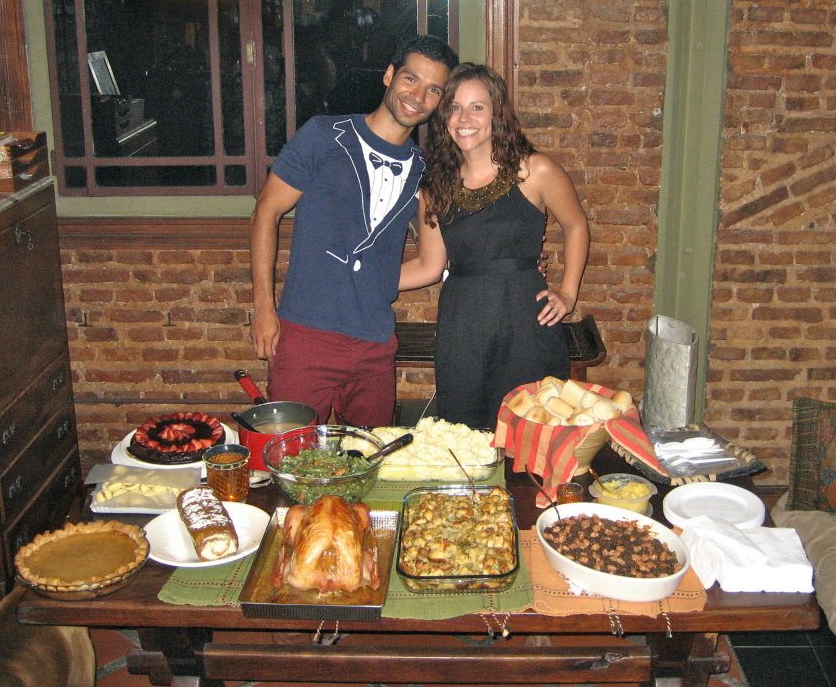
Hosting our first Yanqui Thanksgiving in Buenos Aires. Yes, that’s a tuxedo t-shirt.

There’s not a whole lot I love more than hosting a dinner party. I’ve been playing hostess since grade school, so by now I can cook Thanksgiving dinner for 15 without breaking a sweat. Unless there’s a spring heatwave in Buenos Aires and the oven’s going all day…but even then, I prefer to see it as more of a glow.

Whether we were sitting on the floor eating out of our laps in Philadelphia, or seated around the dining room table in Chicago (like grown-ups, finally!), the dinner party protocol’s proven pretty standard over the years and miles. Plan a menu, invite people, they offer to bring a dish/dessert/wine, adjust the menu accordingly (or if you’re a menu control freak like me, just tell them to bring wine) and so it goes.

But then we moved to Buenos Aires. In addition to the fact that people in our beloved adopted country eat at an hour that most yanquis would consider freakishly late (most restaurants don’t even open until 8pm or later) I quickly learned that expectations may be a bit different here.

We were lucky enough to be invited to have dinner at the home of one of my husband’s co-workers before a night of salsa dancing, and she was kind enough to send me an email explaining in great detail how the night would go down. Seriously, she even advised me on proper footwear. LOVE HER!

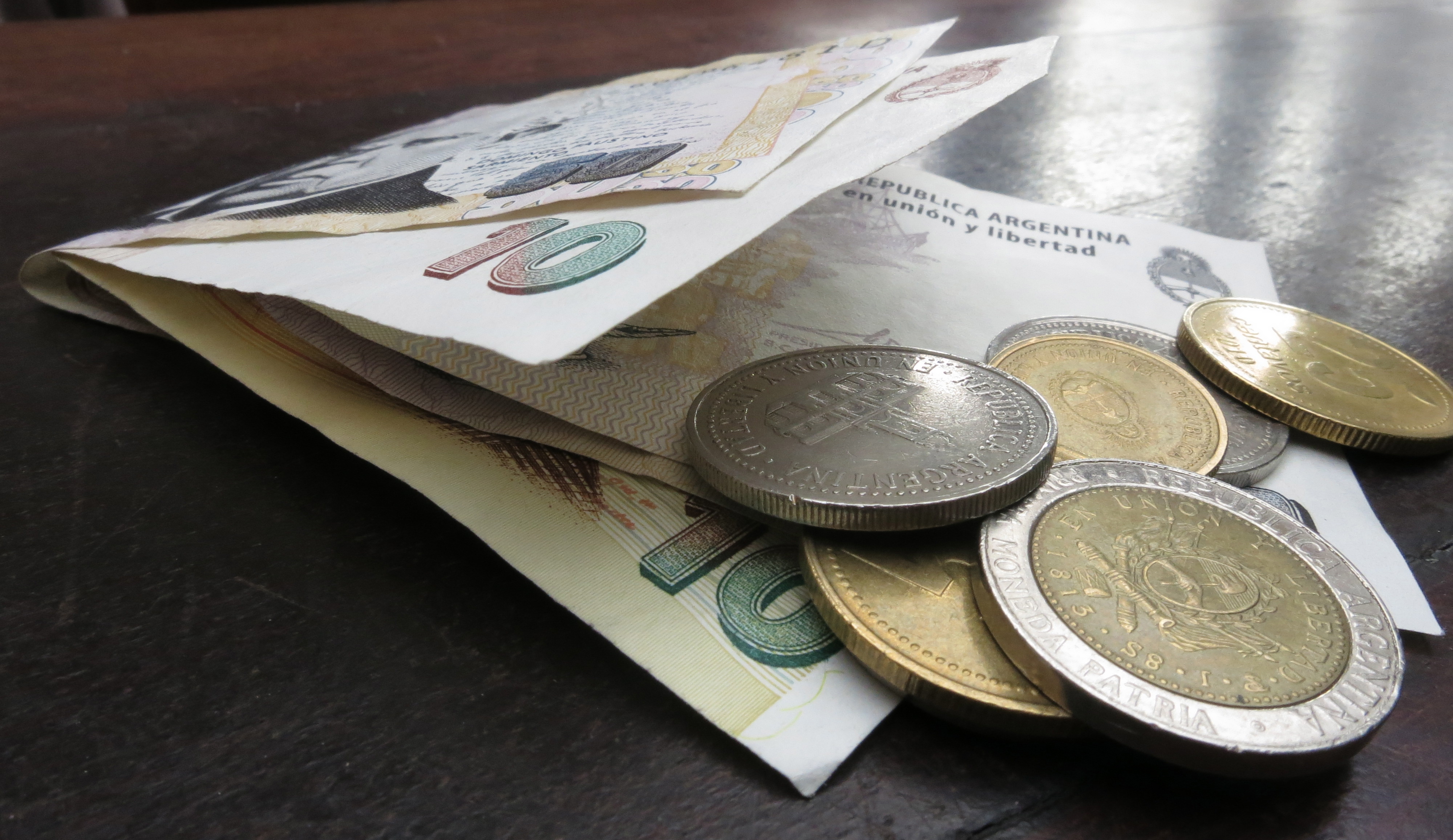
She also let me know that there was no need to bring anything. Instead, the standard practice is for the host to take care of everything, advise the guests how much it cost, and we’d each be responsible for paying the host for our portion after the meal.

Say whaaa-?

Not that I mind whatsoever paying for my portion of a meal, and not that I mean to imply there’s a problem with this practice…but I just really didn’t know what to do with it. It goes against every fiber of my being to show up at someone’s home for dinner empty-handed. (We still ended up bringing a bottle of Fernet, I just couldn’t help myself). I’ve just always loathed the awkwardness of dividing up a bill after enjoying a meal at a restaurant with friends. Not to mention, I’m pretty bad with numbers in English. So in Spanish? Forget about it.

Why does this make me so uncomfortable?

To be clear, I recognize that this is simply a matter of different frames of reference. I have no problem accepting bottles of wine from guests, but if they offer me the equivalent in cash, it somehow gets weird.

But it’s totally the standard here, so as they say, “es lo que es” and I’ve gotten used to it. Comfort zone: departed. Horizons: expanded.

Though when I’m hosting we eat earlier, everyone’s instructed to bring wine and there’s no exchange of money. I can adjust to most of the customs here, but I just can’t bring myself to tally the bill for a dinner party. Yanqui hostess, yanqui rules.

Hostess gifts from our Thanksgiving dinner guests. No more drinking wine from plastic cups!

Recipe: Chickpeas and Chorizo

Tags

, , ,

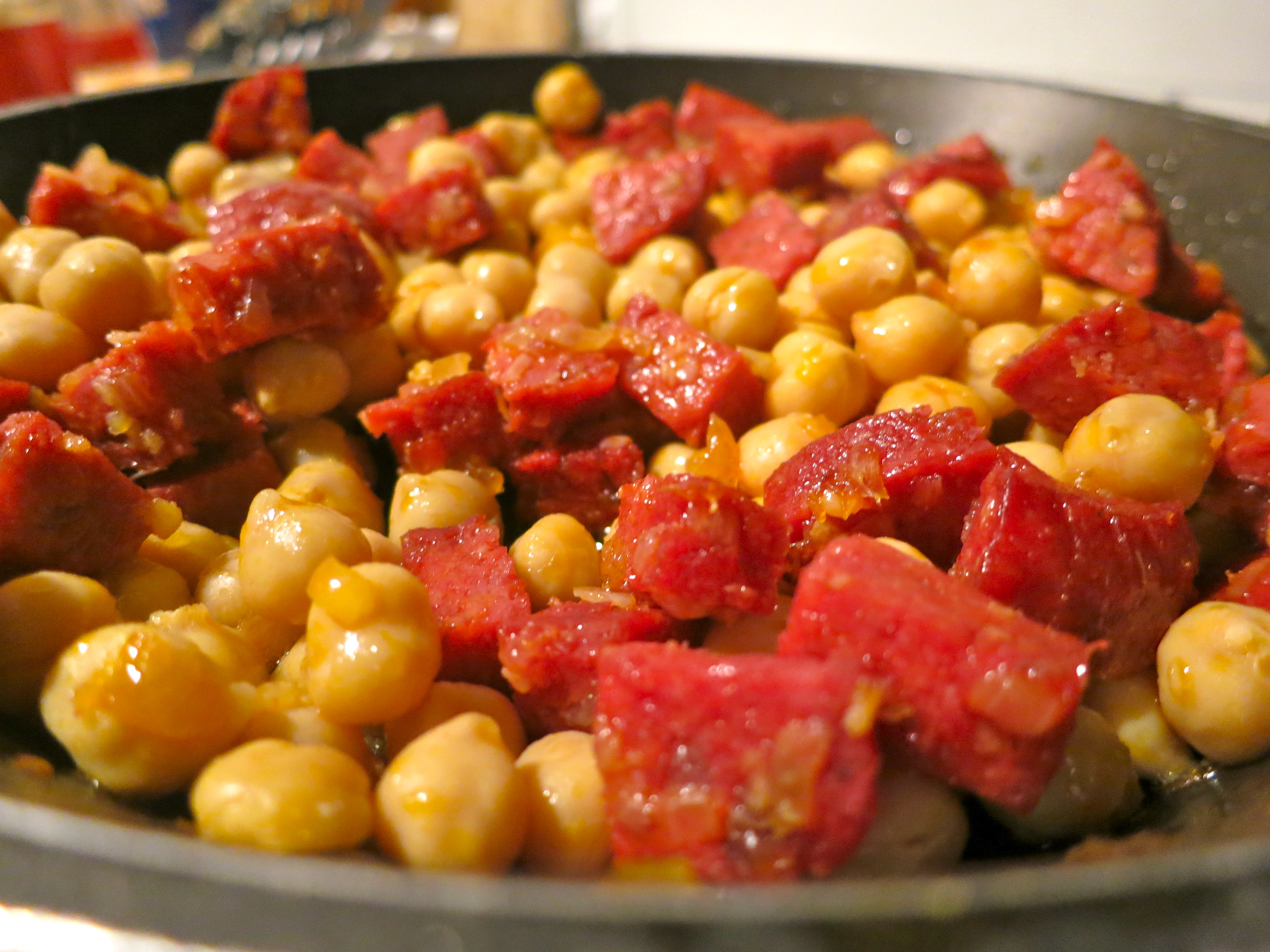
When Gaspar and I were living in Miami Beach, one of our favorite restaurants was Tapas y Tintos on Española Way. We’d loll away the evening with plates of queso de cabra al horno, garbanzos con chorizo, and calamares a la plancha. And maybe a watermelon martini or five. My mouth still waters when I think about it.

This recipe for chorizo and chickpeas always takes me back to those evenings. It’s quick and easy to make, super flavorful and works well as part of a tapas-style meal.

Depending on where you live, pimientos del piquillo may not be readily available. You can find them at Tienda.com, along with an array of high-quality Spanish food and cooking products, but standard roasted red peppers work as well.

CHICKPEAS & CHORIZO

3 Tablespoons olive oil

1 small onion, finely chopped

2 cloves of garlic, minced

9 oz hard chorizo sausage, casing removed and cut into small cubes

14 oz canned chickpeas, drained and rinsed

6 pimientos del piquillo, drained, patted dry and sliced

1 Tablespoon red wine vinegar, or to taste

salt and pepper

fresh parsley, to garnish

Heat the oil in a large, heavy-bottom skillet over medium heat. Add the onion and garlic and cook, stirring occasionally, until the onion is softened but not browned. Stir in the chorizo and continue cooking until it is heated through. Add chickpeas and peppers and cook until just hot. Splash with red wine vinegar and season with salt and pepper. Serve hot or at room temperature, sprinkled with parsley.

Recipe: Smoked Salmon Cheesecake

Tags

, , , ,

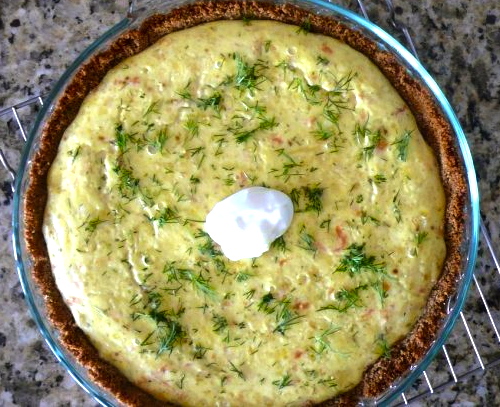
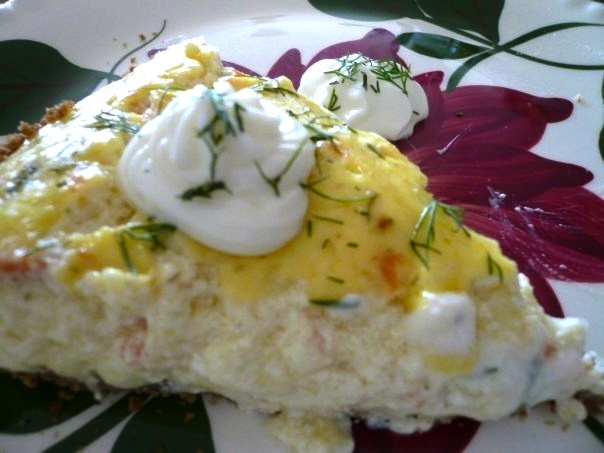
When I was in college, I loved cooking dinner for my roommates and friends. I’m not ashamed to admit that my kitchen skills in those days were pretty firmly entrenched in specialties of the casserole variety. I grew up in the country, and you’d be surprised what’s possible when you combine cream of chicken soup, sour cream and Ritz crackers. My palette’s evolved a bit since then – or should I say, expanded, because that shit’s still delish – and my kitchen repertoire’s grown with it. I credit much of my initial foray into cuisine beyond one-dish dinners to a Christmas gift from my roommate Colleen: Better Homes & Gardens Prizewinning Recipes. My very first cookbook, which I’ve used so much since that pages are falling out and others are stuck together from various drips and spills. Among the many gems is a recipe for Smoked Salmon Cheesecake I’ve made so many times, I’ve lost count.

Image

I usually make it for brunch, but it also makes a great appetizer. This version is adapted from the one in Better Homes & Gardens Prizewinning Recipes.

To make this in Argentina requires some adjustments. The most important note being, pleasefortheloveofgod DO NOT use those bagged breadcrumbs, aka pulverized cardboard. Like, ever. For anything. Make your own breadcrumbs. And while there’s an array of delicious cheeses available, I’ve had trouble tracking down Swiss, but gouda or mozzarella varieties work well. And no one here’s heard of evaporated milk, but you can make an inexpensive evaporated milk substitute using leche descremada en polvo (powdered milk).

SMOKED SALMON CHEESECAKE

1 1/2 cups soft bread crumbs (high quality or homemade is best) 

2 Tablespoons margarine or butter, melted (add a bit more if the crumbs aren’t sticking together)

3 eggs

1 15-ounce carton of ricotta cheese

1 1/2 cups (6 oz) shredded Swiss cheese 

1/2 cup evaporated fat free milk

4 ounces smoked salmon, finely flaked

1 Tablespoon chopped fresh dill, plus additional for garnish

1/8 teaspoon salt

1/8 teaspoon ground white pepper

Sour cream (optional)

For the crust, combine the bread crumbs and melted margarine or butter in a small bowl. Press the crumb mixture onto the bottom of a 9-inch quiche dish. For the filling, in a large bowl use a fork to beat the eggs slightly. Stir in the ricotta and Swiss cheese, then the evaporated milk, salmon, dill, salt and white pepper. Pour filling into prepared crust. Bake at 350 degrees for 35 to 40 minutes or until the center is nearly set when shaken. Cool slightly on a wire rack. Cut into wedges and serve warm, topped with sour cream if you like.

Image

The hardest part is flaking the salmon. How does one finely flake smoked salmon? I usually just end up roughly chopping it up. Any tips, please share!