Recipe: Paella Mixta

Tags

, , , , , , ,

For the longest time, to me, Spanish food meant tapas and tapas only. Baked goat cheese in tomato sauce, calamari a la plancha, sautéed mushrooms, pinxtos…what’s not to love? I’d always been so firmly focused on the small plates, I never bothered exploring the array of more filling options. And after staring down the beady-eyed shrimp topping my first paella during a trip to Madrid, I wasn’t quite sure that I was up for the challenge.

But once I got past my fear of picking apart the little creatures, I was on a mission to learn to make paella at home. It just seemed a little overwhelming, what with hunting down the special pan, special rice, special who the hell knew what else. So being the thoughtful man he is, upon our return to Chicago Gaspar made us reservations at Café Ba-Ba-Reeba’s paella cooking demo. Of course, I suspect he was thinking about how he could benefit from me learning to make paella, as much as he was thinking about making me a happy lady. For anyone living in the area, I wholeheartedly recommend signing up for the class. It’s reasonably priced, includes lunch and vino, and they sell super convenient paella kits. For the rest of you, check out La Tienda for kits or individual ingredients.

Once you gather the key items, you will get plenty of use out of them. Trust me. The first must is a paella pan. The pans are shallow and have sloping sides, which helps the rice cook evenly and develop a more intense flavor. In addition to the proper pan, it’s important to use high-quality paella rice. Calasparra or Bomba rice is the best. These are classic short grain varieties grown in Spain that are super absorbent, expand in width when cooked, and maintain their separate shape without becoming creamy or sticky. Then there’s the saffron, which gives the paella its rich yellow color and an additional depth of flavor. I also consider the sweet smoky Spanish paprika a must.

Beyond these key ingredients, I tend to mix it up, and you should too. Chicken, monkfish, rabbit, chorizo, shrimp, mussels, peas, red peppers…whatever strikes your fancy.

Real, Valencian paella is almost always cooked over an open fire, which helps it develop the delicious socarrat, a caramelized crust of rice. I’m not really in the proper situation to be cooking over open flames, so my methods are modified accordingly and sadly, that means no socarrat. But if you have the time, patience and equipment for it, you can cook the paella either over an open flame or completely on the stovetop, rotating it often. Whichever way you choose, tranqui, it’ll still be delicious.

This version is adapted from the recipe for Arroz el Principe in Paella Cookbook from Café Ba-Ba-Reeba.

PAELLA MIXTA

4 Tablespoons olive oil

1/2 pound (approx. 1/4 kilo) dark meat chicken, diced

Seafood of choice (I recommend 15 raw shrimp or 1/2 pound shelled mussels)

1/4 pound hard Spanish-style chorizo sausage, diced

2 tsp. garlic, minced

1 tsp. sweet pimentón (paprika)

3 ounces tomato puree

1 can peas

1 1/4 cup Calasparra or Bomba rice

3 threads saffron

4 cups chicken stock

salt, to taste

Before you start, I recommend prepping all the ingredients. The cooking process goes pretty quickly, so it’s best to have everything on hand.

Heat the olive oil in your paella pan over medium heat, and sauté the chicken until golden brown. Add the garlic, sweet pimentón, tomato puree, peas and chorizo. Then add the rice, stirring so that the grains are thoroughly coated with the oil mixture. Finally, add the saffron and chicken stock. Turn heat to low. Continue to cook until 1/4 of the liquid is reduced. Add the seafood, without stirring the rice (I just sort of tuck/dunk the seafood into the mixture, so as not to disturb the rice too much). Season with salt and bring to a boil. Place in the oven at 350° Fahrenheit for 15 – 20 minutes. Before serving, let it rest for a few minutes, covered with brown paper or foil, so that the rice absorbs the liquid completely and the outside edges crisp.

Hierbabuena en la Primavera

Tags

, , , , , ,

Bienvenida primavera! I’m so very pleased to see you again. The days of lazy long lunches al fresco have returned.

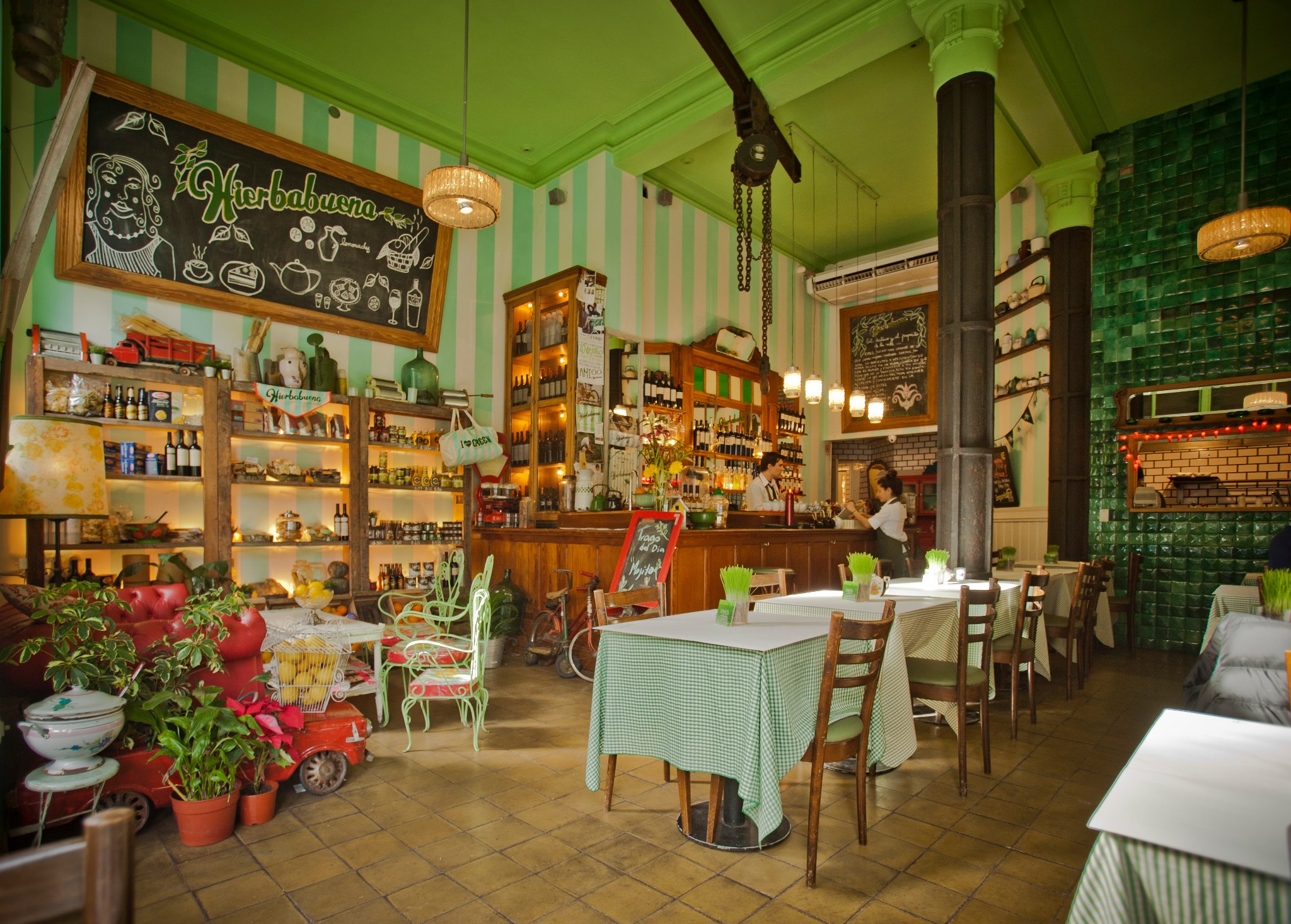
Freshly squeezed limonadas – photo from Hierbabuena’s Facebook page.

One of my favorite spots to do just that is Hierbabuena. The place is adorable, the food is divine, and the wait staff is friendly. I’m always impressed with the quality of their menu; everything is so natural and fresh, and the flavor combinations are spot-on. I usually fall for the Menú del Día, although my other top favorite is the Brie Salad: warm brie over beet carpaccio with a date and nut vinaigrette. Believe it or not, I’ve yet to try the brunch they’re so well-known for, mostly because I prefer my brunch savory and there are so many other options calling to me. I highly recommend a jug of one of their juices, or a smoothie. You’ll feel energized immediately.

Photo of the charming interior from Hierbabuena’s Facebook page.

This gorgeous day, we considered our lunch options over a chilled bottle of Cafayate Torrontés. I went for the Menú del Día: shrimp kebabs with grilled brie, braised pears and a mandarin reduction.  Gaspar got his favorite, the Avocado Sandwich. A chicken breast smothered in avocado, melted cheese, tomato, egg and mayo.

So consistently excellent. This spot is what spring in the city’s all about.

HIERBABUENA – Av. Caseros 454 in San Telmo

An Underground Market Highlight: Las Cabrillas Queso de Cabra

Tags

, , , ,

The second Buenos Aires Underground Market was this past weekend, with an even larger turnout and more vendors of every stripe, from Vietnamese food and pulled pork to bagels and Dutch pancakes. Check out The Argentina Independent’s Facebook album for pictures of all the action.

I definitely enjoy sharing tasty treats with crowds of people, and I also like discovering them for myself. The market can be a bit of a whirlwind for the vendors, so it can be hard to slip away and indulge. But in addition to the obligatory (delicious) spicy Cajun Bloody Mary from NOLA Chef and a beer from Boudicca, we were able to scoop up an assortment of goat cheese from Las Cabrillas to indulge in later.

I LOVE this cheese. From chevrotin to feta to cheddar (yes, it’s the real deal!) the flavors are intense and the texture is excellent. The story behind the company is pretty cool, too. Las Cabrillas is a program managed by FUNDAPAZ, an organization that promotes the development of small rural farmers and indigenous communities in northern Argentina. The program works with more than 100 farmers, providing them funding and technical assistance to produce high-quality goat cheese. So you should feel good after eating a whole block yourself. (Or is that just me?)

For a complete list of where you can find Las Cabrillas cheeses, check out their website.

Recipe: Crispy Plantain Chips

Tags

, , ,

My love affair with el platano continues.

With the abundance of face-sized paltas at the mercado lately, I’ve been making lots of guac. (By the way, I highly recommend this recipe from The Other Side of the Tortilla). But oddly, it can be hard to track down tortilla chips in this town. Las Tortillas de Pancho Villa is lo máximo, but obviously they can’t deliver on the drop of a dime and my guacamole cravings are often unplanned. And guacamole on crackers tastes pretty much as you would expect: not great.

Enter, the plantain chip.

That thing I said before about preferring my plantains super ripe and sweet instead of starchy? Yeah, scratch that. I’m a liar. These are flippin’ delicious.

Make sure you choose plantains that are nice and green, not ripe. I used a mandoline to slice the plantains lengthwise because I like the presentation better, but you can also just use a sharp knife or slice them up like coins. Make sure you keep an eye on them as they fry so they don’t burn. And whatever you do, DO NOT skip the seasoning! It’s la bomba.

This recipe is modified from one that originally appeared in Gourmet.

CRISPY PLANTAIN CHIPS

2 tsp. finely grated lime zest

1 1/2 tsp. salt

1/4 tsp. cayenne pepper (1/2 if you’re using cayenne pepper hecho en Argentina)

vegetable oil

4 green plantains

Stir together zest, salt, and cayenne pepper and set aside.

Cut ends from plantains and score skin of each plantain 5 times lengthwise, avoiding ridges. Soak in hot tap water for about 5 minutes before peeling. Meanwhile, cover bottom of a 5-quart heavy pot with about a half-inch of vegetable oil and heat over moderate heat. It should be nice and hot before you drop in the plantains, or they will absorb oil rather than crisp.

Cut the peeled plantains lengthwise with a U-shaped peeler or mandolin into very thin strips. Place 6 – 10 strips in the hot oil (they shouldn’t be touching) and fry, turning frequently, until golden, 45 – 60 seconds. Transfer with tongs to paper towels and sprinkle crisps immediately with salt mixture.

These don’t store so well, so you have an excuse to eat them all immediately.

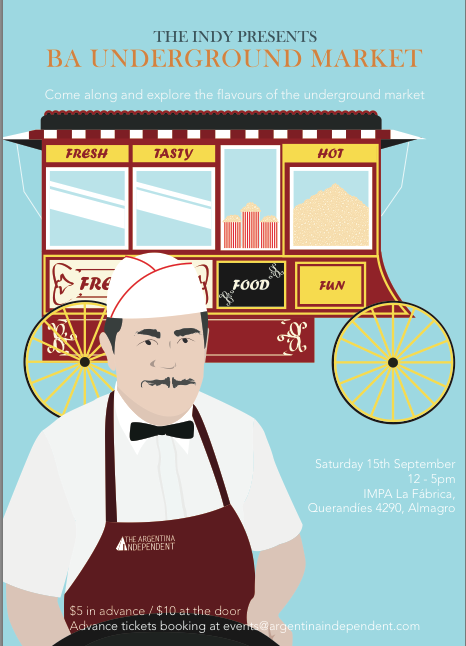
Buenos Aires Underground Market: Saturday, September 15

Tags

, , ,

Yay, it’s back!

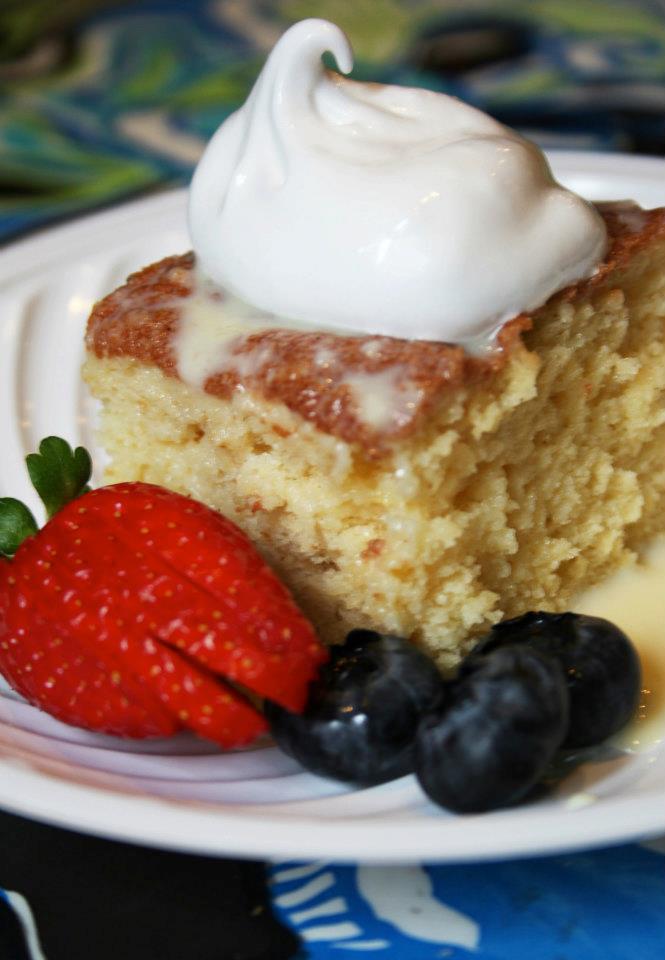
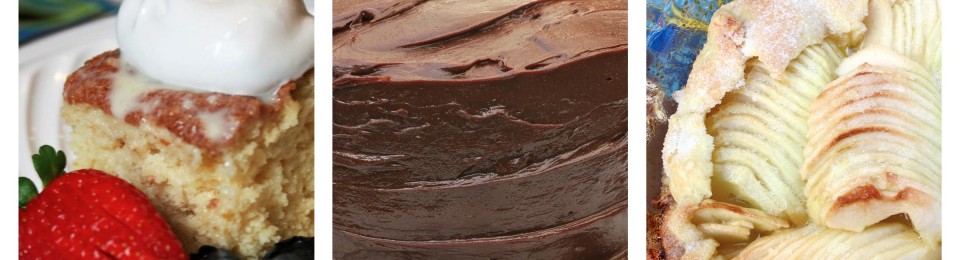
After the gran éxito in June, the Argentina Independent is bringing back the Buenos Aires Underground Market this weekend and we will be there! I had a hard time deciding what to make this time around, but after some taste-testing two tried and true favorites have made it to the menu. Fruit Pizza will be making its debut, and the Tres Leches shall return.

Photo credit: Lili Kocsis at myamusedbouche.com

Once again, the Underground Market will offer a huge variety of delicious artisanal foods.  There’ll be desserts from Kelly Poindexter, good eats from NOLA Chef, chocolates from Jueves a la Mesa, hot sauce, goat cheese, spring rolls, smoothies, and my personal weakness: hand-crafted beer! We’ll be back at IMPA La Fábrica, an old factory space in Almagro with muy buena onda. The event starts at noon and goes til 5pm, but get there early for the best selection. Good food goes fast, y’know. RSVP on Facebook for more deets.

¡Nos vemos el sábado!

¿Qué es esto? Cherimoya.

Tags

, , , ,

Along with the (sporadically) warmer temperatures comes a new season of fruits and vegetables at the mercado. I’ve already made it clear what my favorite is. Lately, I’ve been noticing a lot of fruits I’ve never seen before. Starting with these dragon egg impostors.

The verdulera explained that these cherimoyas are from Chile, and would be very sweet when ripe. You have to wait until the skin starts to turn brown and has a little bit of give, similar to an avocado. I was excited.

Alas, this was no palta-like experience. The flesh of the fruit is white and soft, with large black seeds that are easy to remove. The verdulera recommended chilling it and eating it with a spoon. Apparently, it’s often compared to a sherbet. Wikipedia claims that people characterize the flavor as a mix of banana, pineapple, papaya, peach and strawberry. What type of highly developed palates these people must have to be able to detect such a mix of flavors, I can only guess. Because to me, it tasted straight up like cheap bubblegum. Perhaps it’s the memory of the fake bubblegum-flavored fluoride treatments of my youth; I just couldn’t really stomach it. But they still look pretty damn cool.

Have you ever tried cherimoya, and if so, are you a fan?

Recipe: Homemade Granola

Tags

, , ,

For a long time, the idea of making my own granola just never occurred to me. It was always so readily available, in every imaginable variety. And with all the health nuts constantly reminding me that granola’s not as good for you as you think it is, I tried to eat it sparingly. Then I read an article in Bon Appétit and the recipe sounded so delicious (and yes, healthy), I had to give it a try. It’s now one of my breakfast staples.

I’m especially happy to have this recipe here in Buenos Aires, where there are not entire football field-length grocery store aisles dedicated to cereal. The lack of overwhelming and unnecessary selection is certainly not a bad thing, but see, I’ve got this thing about cereal texture….okay, yes, I’m picky.

One of the great things about this recipe is its flexibility. You can add different nuts, fruits, or even dark chocolate pieces, based on your preferences. This version is modified from Bon Appétit’s original. I like to enjoy the finished product with yogurt and fresh fruit.

HOMEMADE GRANOLA

  • 3 cups old-fashioned oats
  • 1/2 cup coarsely chopped pecans
  • 1/2 cup coarsely chopped almonds
  • 1/2 cup unsweetened shredded coconut
  • 3 tablespoons packed brown sugar
  • 3/4 teaspoon ground cinnamon
  • 1/2 teaspoon ground ginger
  • generous 1/4 teaspoon salt
  • 1/3 cup honey
  • 2 tablespoons vegetable oil
  • 1 cup dried fruit of choice (I used dried peaches this time, but recommend dried cherries)

Preheat oven to 300°F. Line rimmed baking sheet with parchment paper. Mix first 7 ingredients in a large bowl. Stir honey and oil in saucepan over medium-low heat until smooth. Pour honey mixture over oat mixture and toss. Spread on prepared sheet. Bake until golden, stirring every 10 minutes, for about 40 minutes. Place sheet on a wire rack, stir granola, and allow to cool before mixing in dried fruit. Store in an airtight container.

This recipe yields about 5 cups.

They’re baaaaack!

Tags

Spring is slowly creeping back to Buenos Aires. The warm and sunny days are starting to return, and with them, one of my very favorite food items: avocados as big as your face.

I first encountered these giants shortly after our arrival in Buenos Aires a year ago, when my Spanish didn’t extend very far beyond gracias and por favor. “Qué es esto?” I asked the verdulera. “Palta.” Hmmmm. This meant nothing to me. So I bought one and examined it. It somewhat resembled a Hass avocado, but was at least three times the size and with a thinner skin. Could it be…? Oh, yes. Yes, it was.

Just for some perspective….

As a lover of the buttery green fruit, after cutting into one of these bad boys it was really hard to accept that they’re only available during their temporada, and when they began to slowly disappear from the mercado my horror was obvious. So last week, the verdulera was grinning ear to ear as soon as she saw me. “Paltas gigantes!” I will be eating them with a spoon for the next few months.

Really, this doesn’t even do them justice.

Recipe: Tully Chicken Casserole

Tags

, , ,

Growing up in the country of western Pennsylvania exposes one to a lot of food traditions that you may not appreciate until you move away and find yourself at a grocery store deli counter struggling to explain what you mean by “chipped ham.” (Y’all are missing out, I tell you). Like many people, there are certain foods I will always associate with home. Some were common in the area, like pierogies, and sweet corn from Ambrose Farm Market. Others were specialties in the Limbaugh household, like black raspberry jelly, rhubarb crunch, and homegrown Limbaugh’s Legacy Potato-Top tomatoes. (Seriously. They’re really called that.)

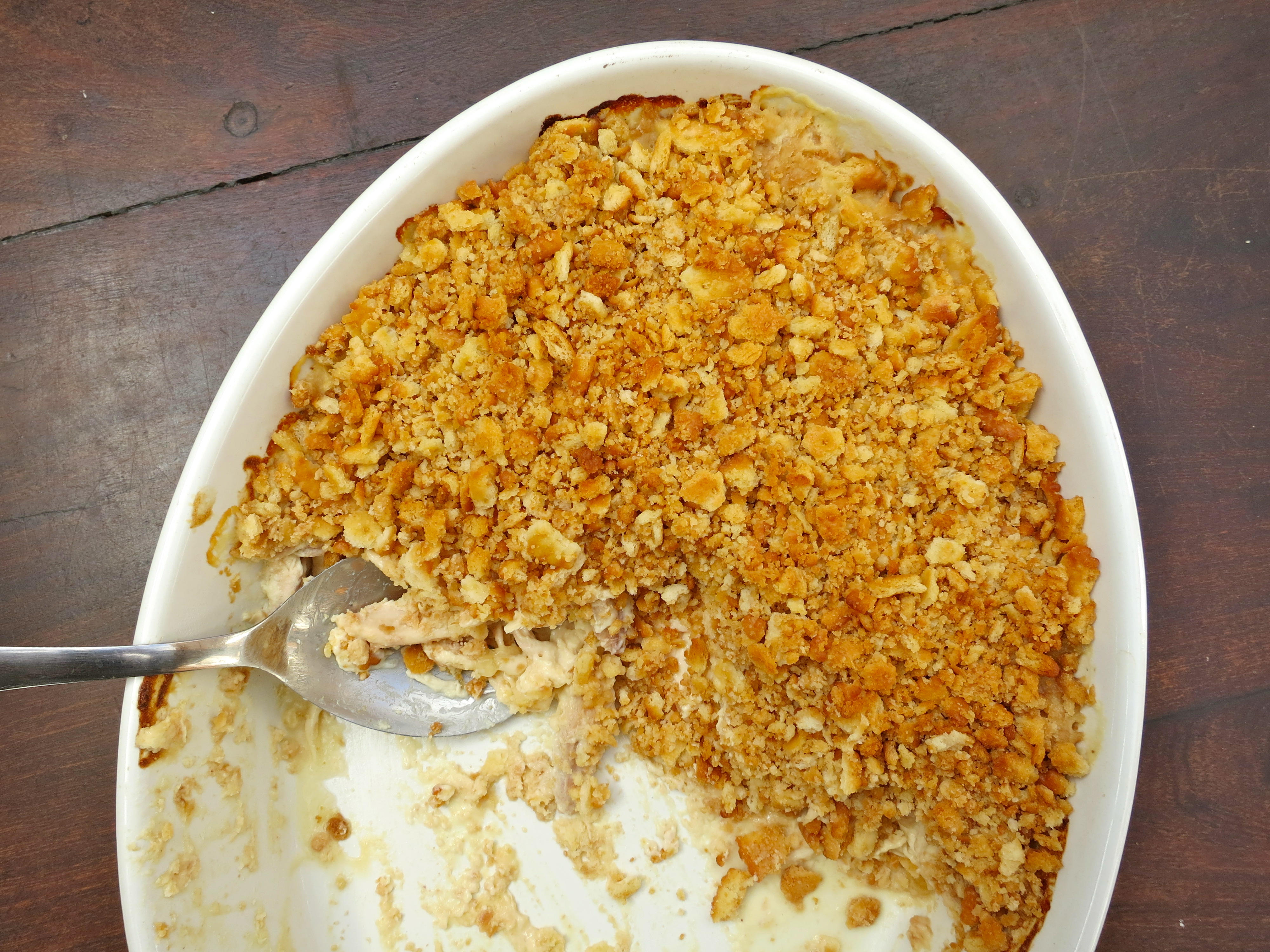
This recipe falls into the latter category. I sometimes wish I could think of a name more descriptive than what we always called it: Tully Chicken. So named because my mom got the recipe from the Tullys, a family that attended our church. I have to wonder what the Tullys called it, and if they have any idea how famous their name’s become amongst a group of chicken casserole lovers.

With the chilly grey skies that have been enveloping Buenos Aires lately, comfort food’s been the name of the game and I was really craving some Tully Chicken. But even though this recipe is so simple, this city is missing two crucial casserole ingredients: cream of chicken soup and Ritz crackers. Or so I thought. As I strolled through the aisles of the newly-opened Carrefour in our neighborhood, I spotted a package of Rex galletitas. How had I never noticed these Ritz-look-alikes before? After a close inspection to confirm their validity, I swept a pile into my basket and rushed home to look up cream of chicken substitutes on the interwebs. Double score! Leave it to the Southerners to figure out how to make a casserole in a pinch.

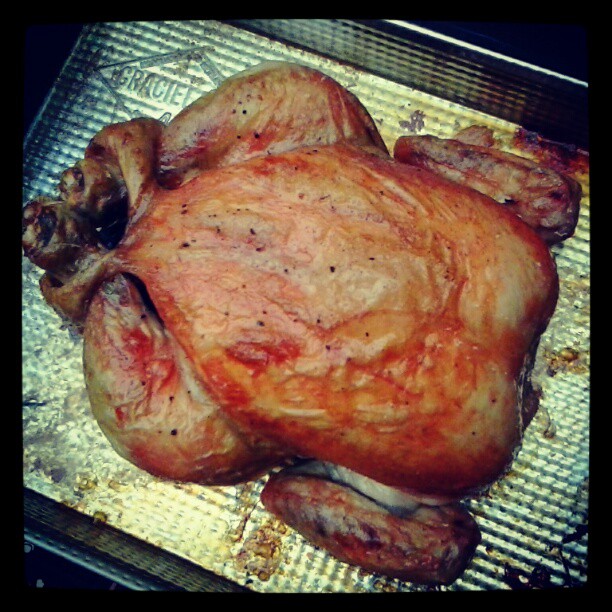
While Mom always boiled a whole chicken to make Tully Chicken, I prefer to roast it. Mostly because that crispy skin can’t be used in the casserole, so it goes directly in my belly. But I also find the texture and flavor a bit more pleasing. The downside is that it may be tempting to skip the recipe entirely once your chicken comes out of the oven all golden and crispy-like.

Like most casseroles, it ain’t healthy. But isn’t that the point of comfort food?

TULLY CHICKEN CASSEROLE

One whole chicken, about 3 – 4 pounds

One can cream of chicken soup, or use this substitute

About 12 ounces of sour cream (more or less, to taste)

Two sleeves of Ritz crackers, or 4 bags of Rex crackers

Stick and a half of butter (about 170 grams)

Roast or boil the chicken and let it cool enough to pick the meat from the bones. (I like to use Thomas Keller’s simple roast chicken method). Combine sour cream and cream of chicken soup in a large bowl, and add the chicken. Stir until chicken is evenly coated. Spread the mixture in a 9 x 13 pan or casserole dish.

Melt butter in a medium-sized bowl and set aside. Place crackers in a large Ziploc bag and seal, letting out as much of the air as you can. Crush the crackers in the bag using a rolling pin. I like to leave some larger chunks of cracker – don’t go overboard or you’ll make a powder out of it. Combine the crushed crackers and melted butter, then spread the mixture on top of the chicken.

Bake at 375° F for about 20 minutes, until bubbly and slightly browned.

El Sótano de los Quesos: The Cheese Cellar

Tags

, , , , ,

After a failed attempt to reach Uruguay this past weekend, we unexpectedly spent a few days in Colón, Argentina. (Long story, don’t ask). While the weekend overall didn’t exactly go as planned, we definitely lucked out as far as the location in which we were briefly stranded. Colón is a charming historic town on the western shore of the Río Uruguay, with a mix of quaint shops, riverside restaurants and thriving nightlife.

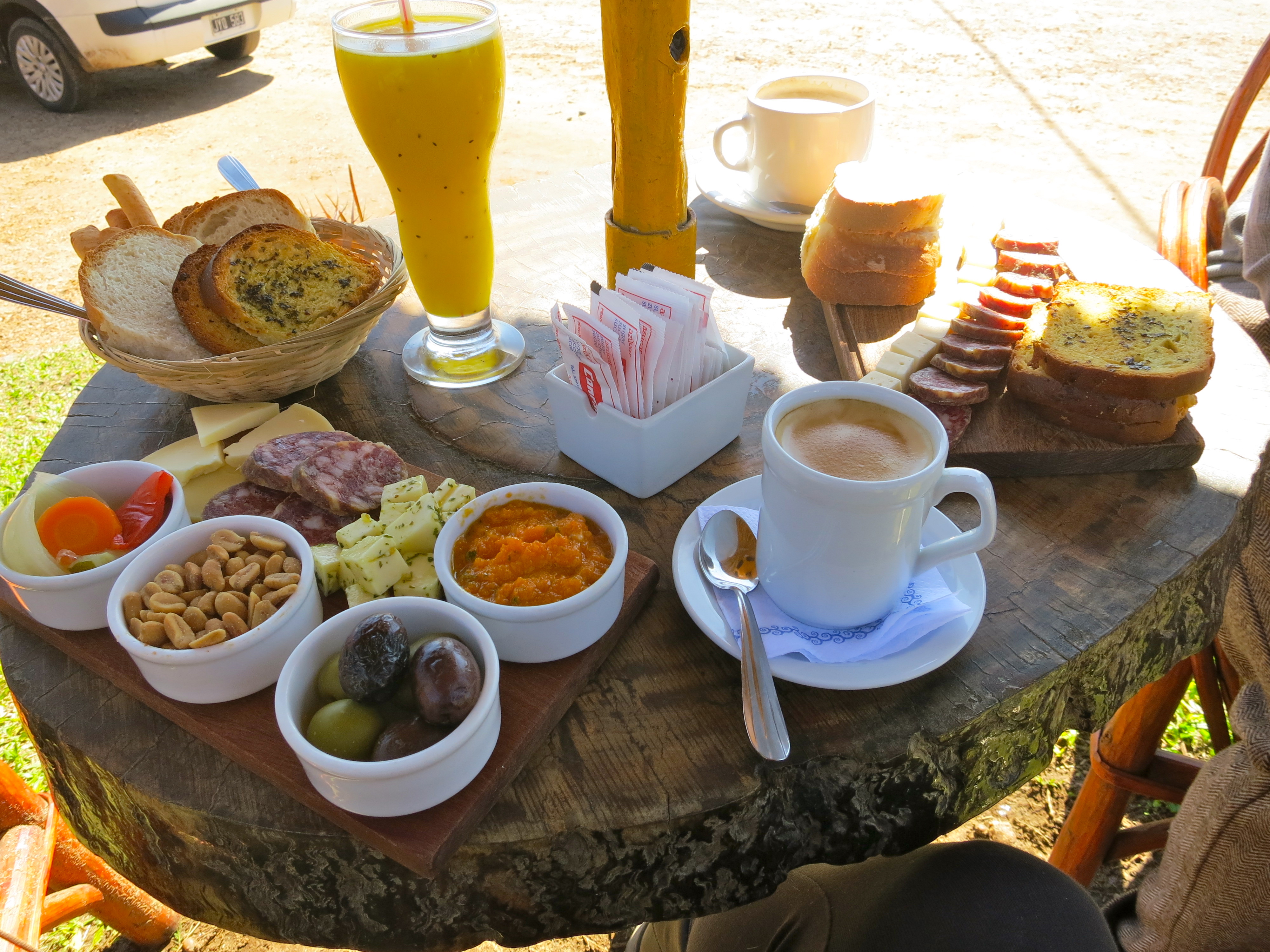
On our search for the bright side, we stumbled across El Sótano de los Quesos (The Cheese Cellar) with its sunny patio overlooking the river. After ordering up a lunch of delicious picadas, fresh bread and a refreshing fruity licuado, I scoped out el sótano. 

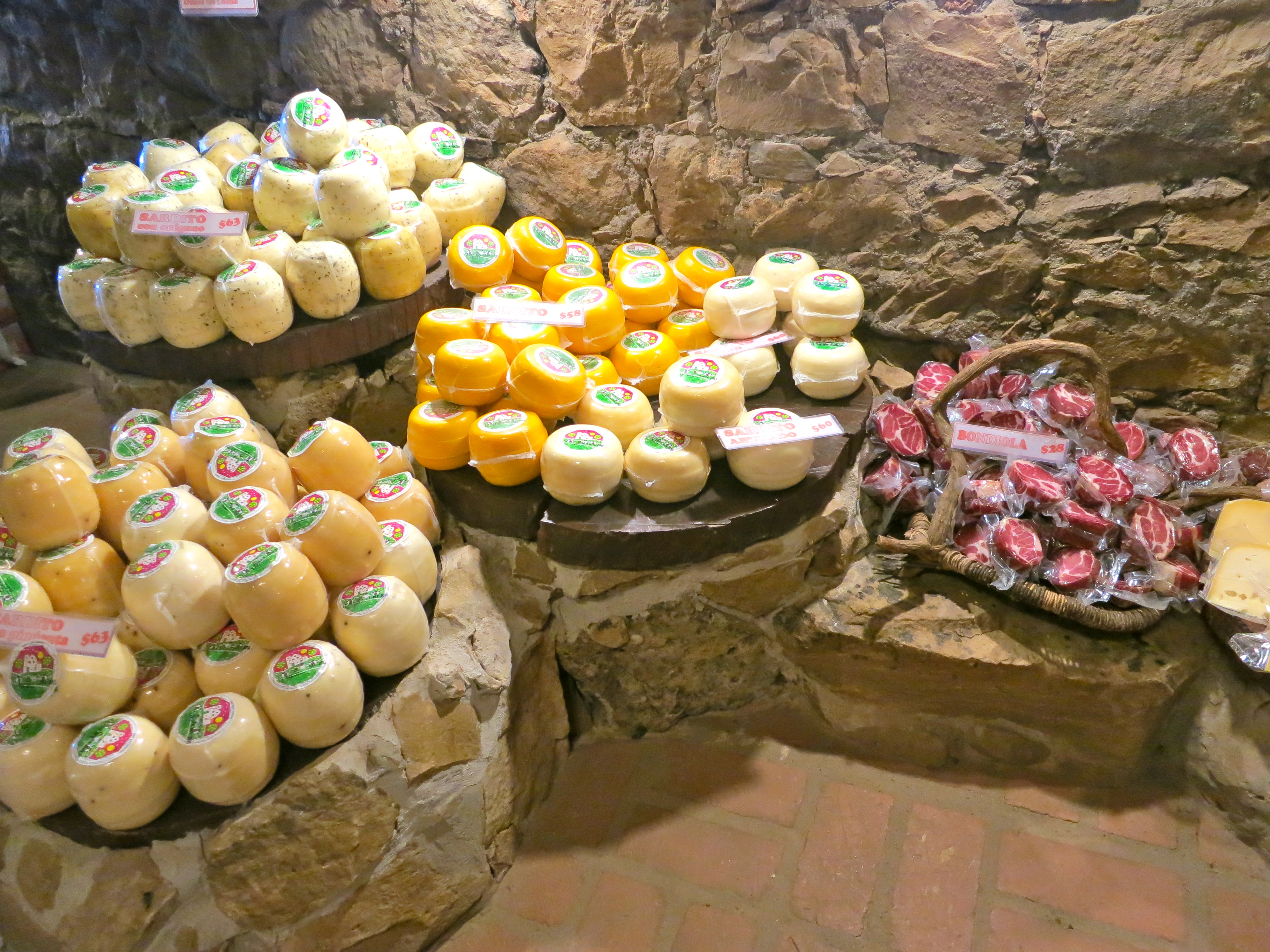
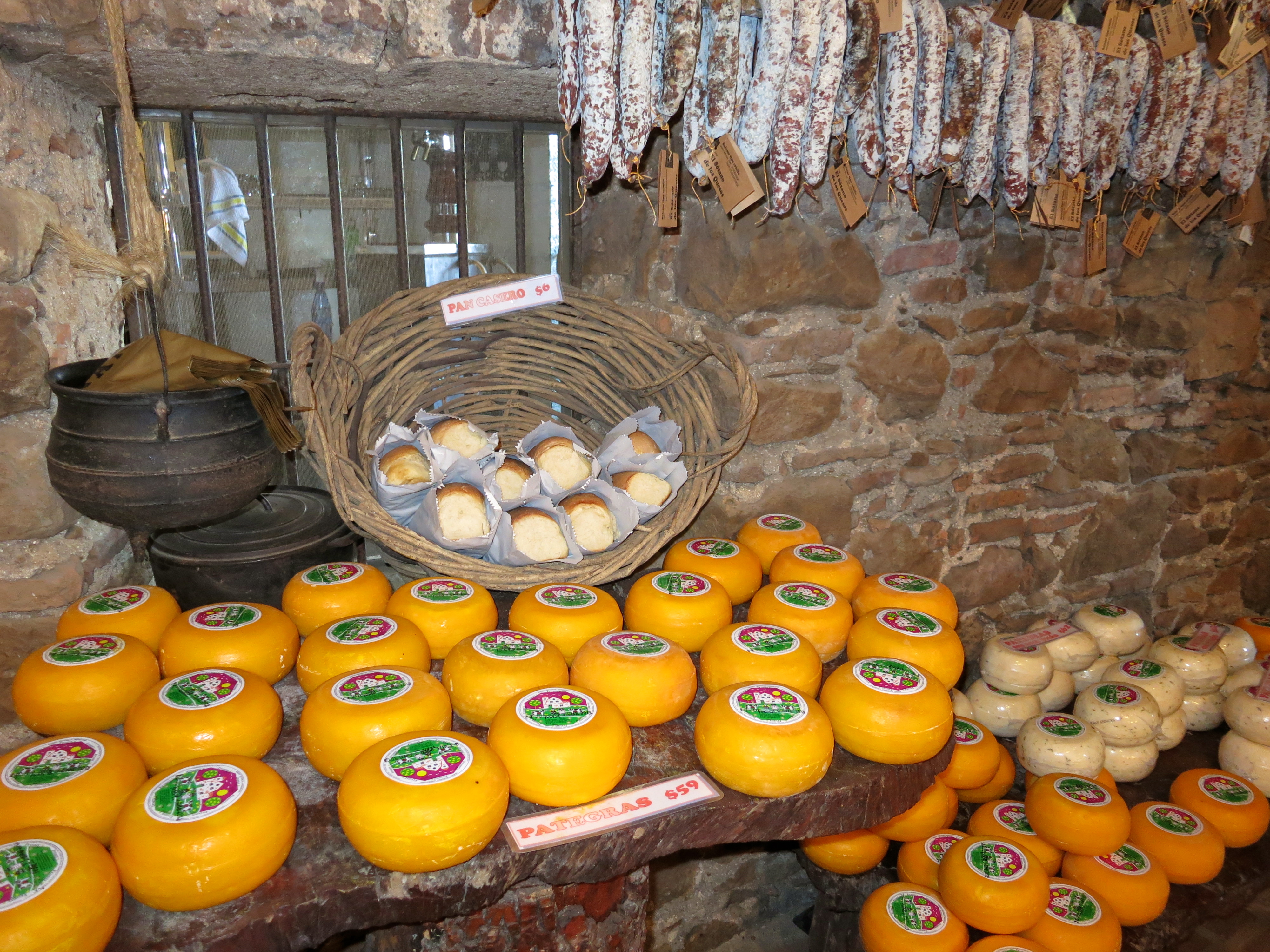
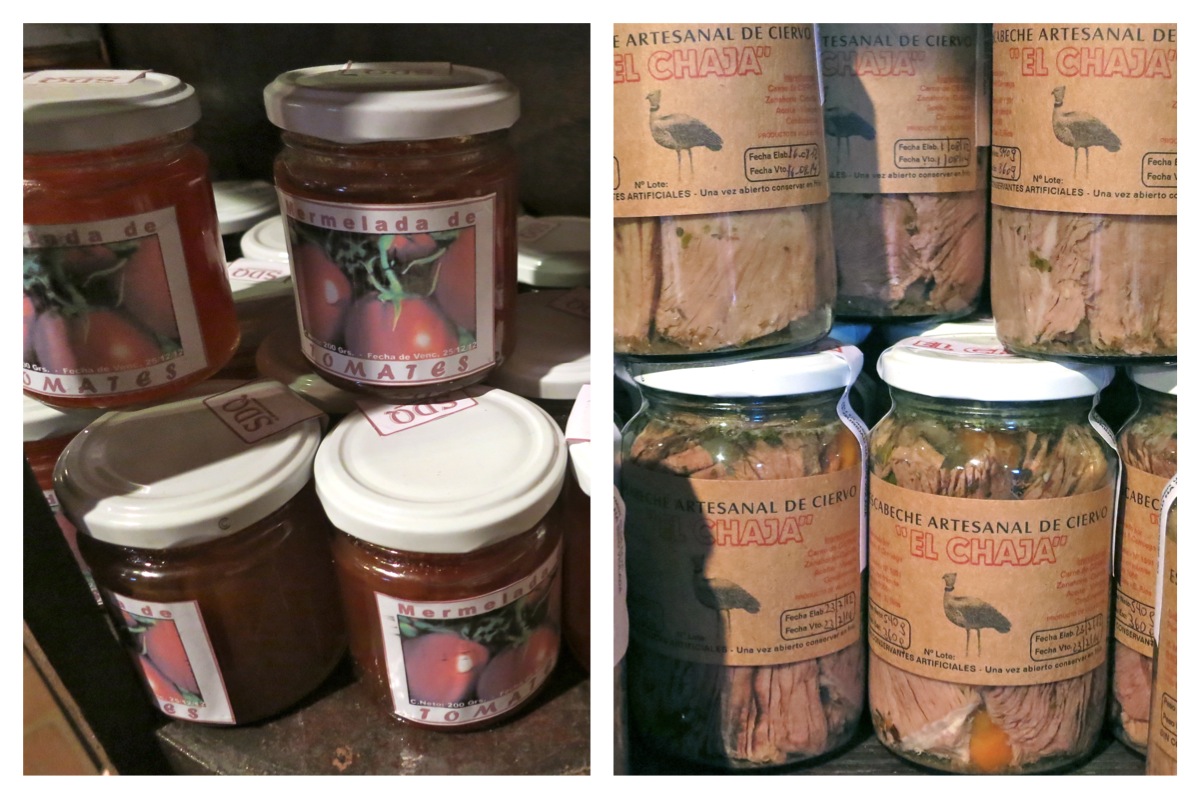
As soon as you duck into the stone cellar, you’re met with piles of fresh cheeses, salame, bondiola and bread. Shelves are lined with homemade flavored oils and marmalade, jars of preserved meats, fresh honey, and pickled veggies. One corner is dedicated to fresh milks, yogurt and ricotta. A small alcove in the back is stocked with homemade wines, craft brews and artisanal liqueurs.

Pategras and provolone are available in abundance, with some mounds of provolone already seasoned with oregano and ready for the parilla, provoleta-style.  I was also delighted to find non-standard fare like mermelada de tomate (tomato jam) and pickled venison.

If you’re ever in Colón (hopefully by your own free will) it’s definitely worth spending a lazy afternoon by the river, and picking up some artisanal treats to take home.

EL SÓTANO DE LOS QUESOS – En el Puerto de Colón Entre Rios